
Last updated November 16, 2026
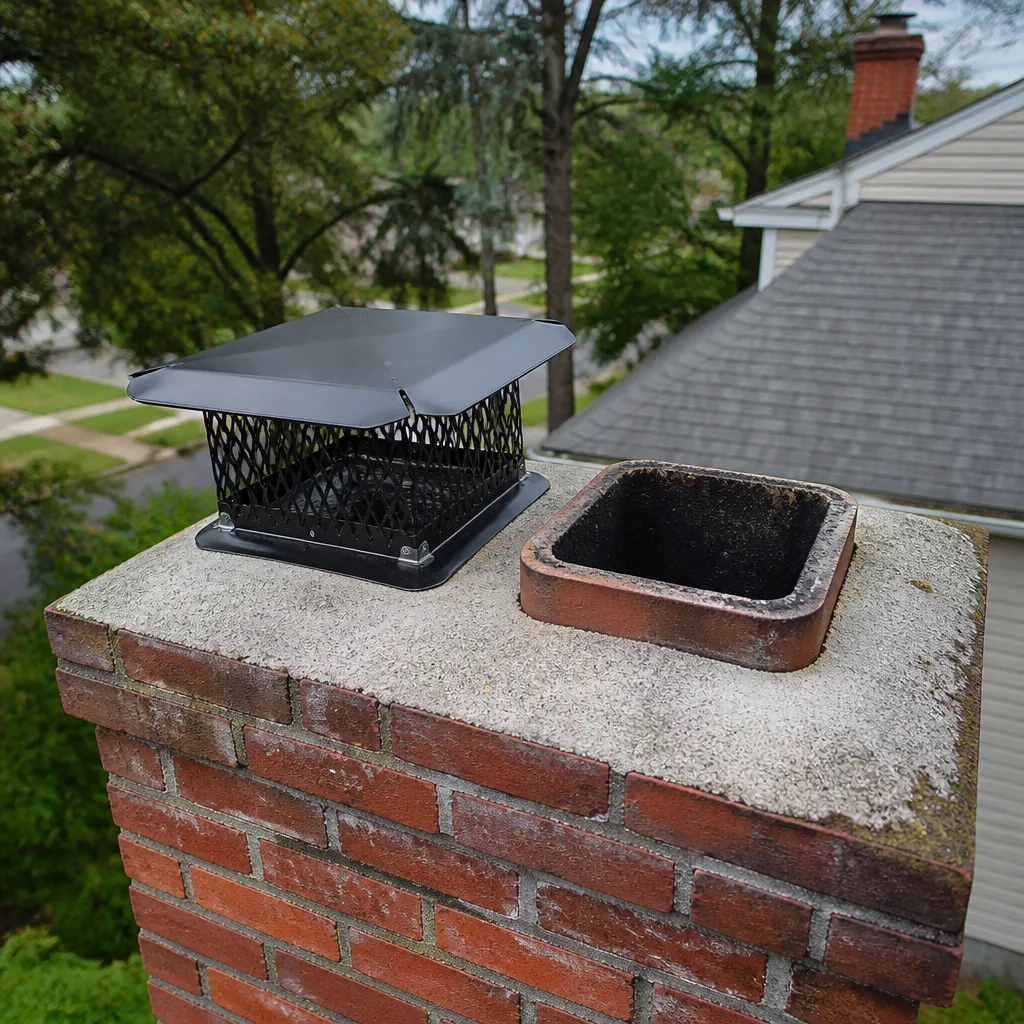 Sweep & inspection
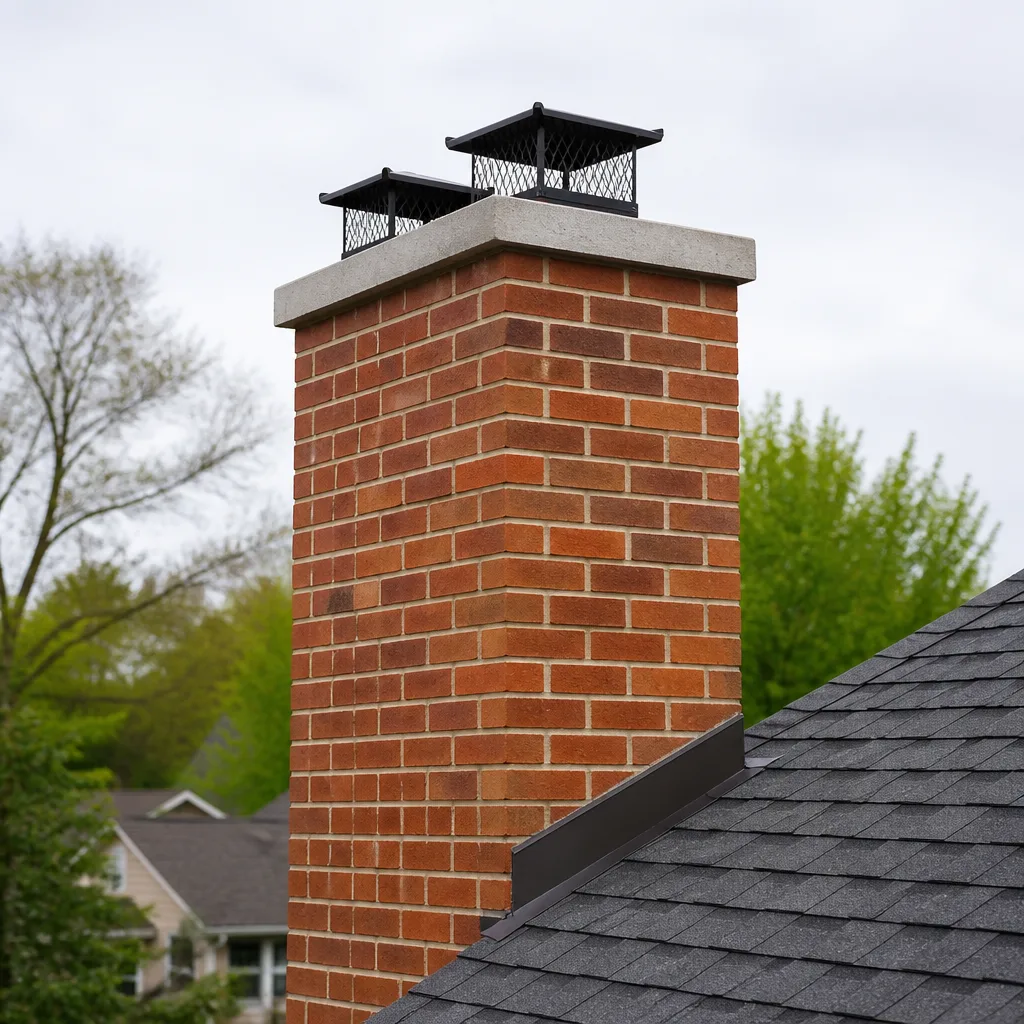 Caps & crowns
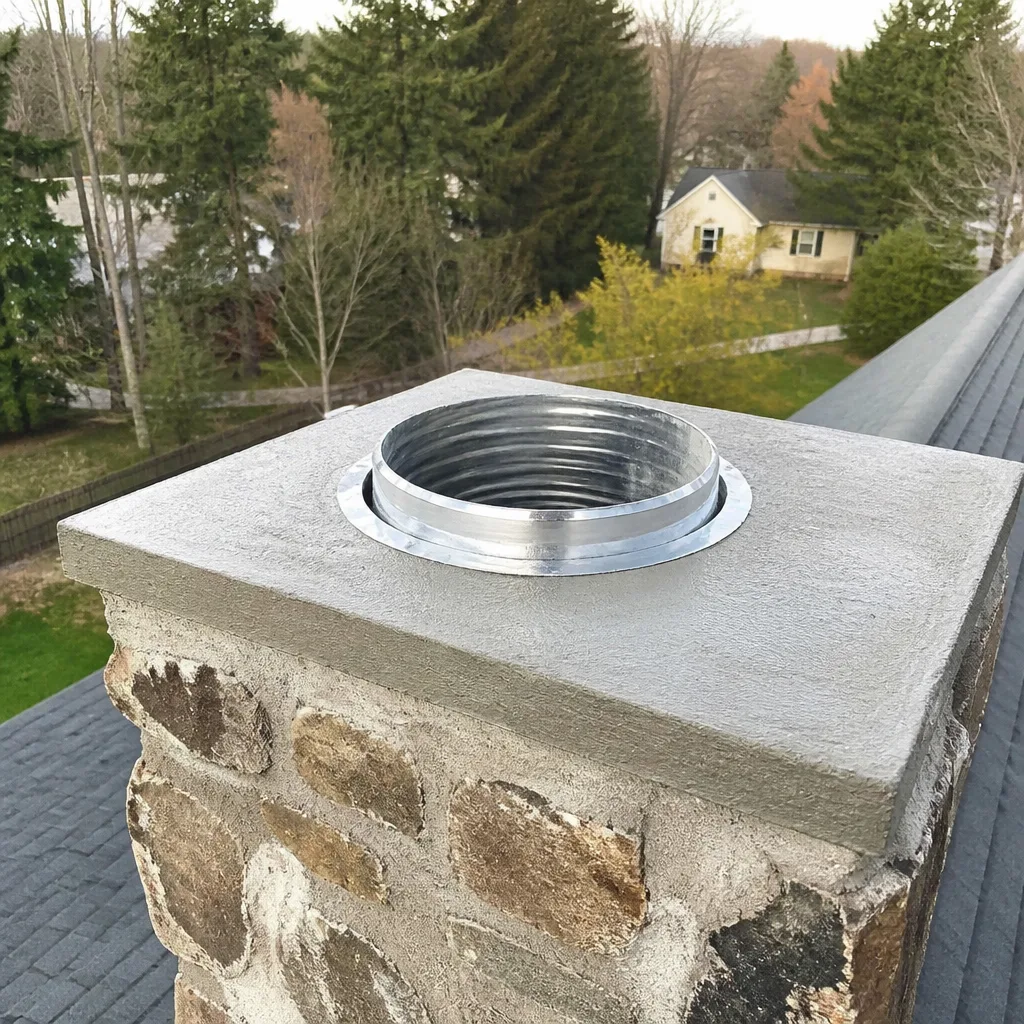 Flue relining
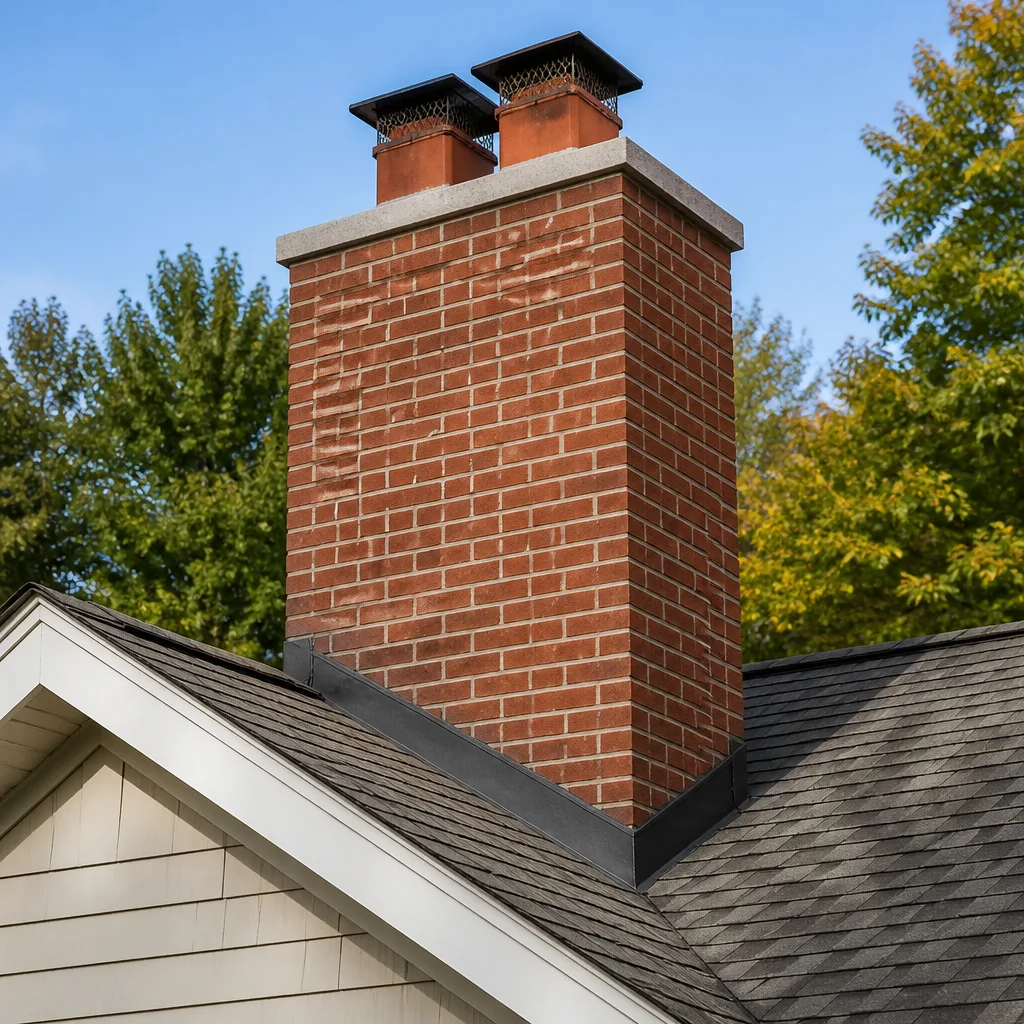 Masonry repair
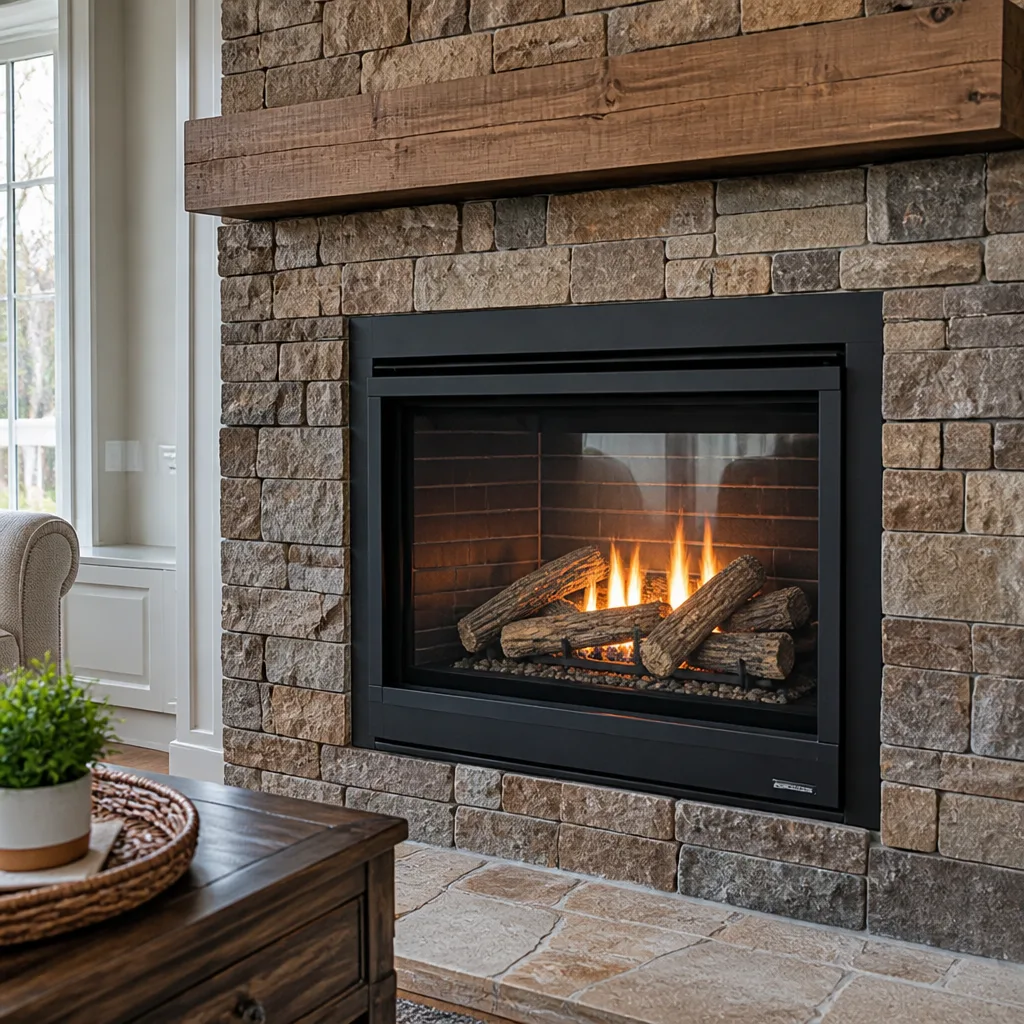 Gas fireplace service
Level 1 sweep and inspection to the NFPA 211 annual standard - flue, crown, cap, and flashing checked and photographed
Chimney sweep logs do not sweep chimneys. They loosen some creosote - which then falls where a brush and vacuum still have to collect it.
Chimney Sweep Troubleshooting in Brockton: Common Problems and How to Fix Them
If your fireplace smokes into the room every time you light it, the instinct is to blame the wood. Wet wood, the wrong species, a batch that sat too long in the rain. But in our experience, most smoke and draft complaints trace back to the chimney itself – a liner obstruction, a failed damper seal, or a cap that’s no longer doing its job – and no amount of dry, well-seasoned wood will fix a flue that can’t pull. That matters in Brockton, where a lot of the housing stock went up before 1970 and the brick chimneys that came with it are now showing their age in predictable ways. This guide maps each symptom you’re likely to notice to the system most often behind it: the liner, the cap, or the firebox. By the end you’ll know what you can safely check yourself, what needs a camera to confirm, and what questions to ask before anyone touches your chimney.
Quick Answer
Smoke coming into a Brockton home is usually caused by one of three things: a blocked or deteriorated flue liner, a damper that no longer seals, or a blocked or missing chimney cap disrupting draft. Most of these are confirmed with a camera inspection, not guesswork. A standard sweep plus inspection identifies the cause, and the repair – from a cap replacement to HeatShield resurfacing – follows from what the camera actually shows.
Styles & brands we work with
- Sweep & inspection
- Caps & crowns
- Flue relining
- Masonry repair
- Gas fireplace service
Table of Contents
- Symptom-to-Cause: A Map for Common Chimney Problems
- Why Brockton’s Older Housing Stock Makes Certain Failures More Likely
- What You Can See Yourself vs. What Needs a Camera
- Smoke Coming Into the House: Tracing the Backdraft
- Creosote Smell in Summer and Slow Draw: What They Share
- How HeatShield Resurfacing Fixes Draft and Odor Without Full Relining
- Water Stains and Spalling: Reading the Brick
- Why Fixing the Symptom Without the Cause Costs More Later
Symptom-to-Cause: A Map for Common Chimney Problems
Chimney troubleshooting starts with matching what you notice to the system that produces it. Most complaints people bring to us fall into a small set of symptoms, and each one points at a specific part of the chimney. Here’s the map we use:
- Smoke rolling into the room when you light a fire: liner obstruction, a damper that won’t open fully or won’t seal, or negative pressure in the house. The liner and damper are checked first.
- Creosote smell in summer, especially on hot, humid days: creosote deposits in the flue absorbing moisture, or a downdraft pulling flue odor back through the firebox when the chimney isn’t in use.
- Slow draw – the fire lights but never really roars: a flue that’s undersized for the firebox opening, a partial blockage, or a liner that’s lost its smooth interior and is catching turbulence.
- Water stains on the ceiling near the chimney or on the firebox brick: a failed or missing cap, cracked crown, or flashing that’s let water into the masonry.
- Crumbling brick or flakes of mortar on the smoke shelf: spalling from freeze-thaw cycles and water intrusion, common in older Brockton chimneys.
- Carbon monoxide detector going off when the fireplace runs: a venting failure that needs professional diagnosis before the fireplace is lit again. Do not treat this as a minor issue.
What’s useful about this map is that it narrows the field before anyone climbs on the roof. When a homeowner calls us in Brockton describing a specific symptom, we can usually tell them what we’ll be looking at and roughly what the inspection will cover. The camera confirms it. The symptom points you there.
Why Brockton’s Older Housing Stock Makes Certain Failures More Likely
A lot of Brockton’s housing was built before 1970, and the brick chimneys that came with those homes have spent decades cycling through New England’s freeze-thaw pattern. Masonry is porous. Water gets into the brick and mortar, freezes, expands, and pushes the surface apart. Over enough winters, brick faces spall – they flake and pit – and mortar joints crumble. That’s the physical reality behind a lot of the “my chimney looks rough” calls we get.
Inside the flue, the same age shows up differently. Older chimneys were often built with clay tile liners, and those tiles crack, shift, or separate at the joints over time. Once the liner has gaps, the flue gases – including creosote vapors and carbon monoxide – can reach the surrounding masonry. A cracked liner is one of the most common causes of both draft problems and odor complaints in older homes, and it’s also the reason a chimney that “looks fine from the ground” can still be unsafe.
Newer suburbs tend to have chimneys built with modern liner systems and caps designed from the start for the local weather. Brockton’s pre-1970 stock often predates those standards. That doesn’t mean every older chimney here is failing – plenty are sound. But when a Brockton homeowner describes slow draw, a summer creosote smell, or smoke that didn’t used to happen, the age of the chimney is the first thing we consider. It’s not the only factor, and it’s not a guarantee of trouble, but it changes what the inspection focuses on.
If your home is on the older side and you haven’t had the flue looked at recently, a camera inspection is the honest starting point. See our chimney sweep page for what that visit covers.
What You Can See Yourself vs. What Needs a Camera
Some chimney problems are visible from the ground or the firebox. Others hide inside the flue and only a camera reveals them. Knowing the difference keeps you from wasting a Saturday on a ladder and keeps you from assuming a problem is worse – or better – than it is.
What you can observe yourself:
- Whether the damper opens and closes smoothly and sits flush when closed
- Whether smoke backs up when you hold a lit match near the open damper (a rough draft check)
- Whether the firebox brick has visible cracks, gaps, or loose mortar
- Whether the chimney cap is present, intact, and free of visible debris or bird nests
- Whether there are water stains on the ceiling, walls, or firebox
- Whether creosote is visible in the smoke chamber above the damper (a light dusting vs. a thick, glossy coating)
What requires a camera inspection to confirm:
- Cracks or gaps in the clay tile liner, and whether they’re hairline or structural
- Whether a liner is offset, collapsed, or partially blocked by debris
- The condition of the smoke chamber and whether it’s causing turbulence
- Whether creosote has reached the glazed, third-degree stage inside the flue
- Whether the flue is correctly sized for the firebox opening
The camera matters because a cracked liner and a dirty liner can produce the same symptom – slow draw or smoke in the room – but they need completely different fixes. A sweep clears the dirt. A crack needs repair or resurfacing. Guessing between them is how homeowners end up paying twice. When we run an inspection, the camera footage is part of what we show you, so you’re seeing the same evidence we are.
Smoke Coming Into the House: Tracing the Backdraft
Backdraft is the symptom people call about most, and it’s the one most often misdiagnosed as a wood problem. Smoke that rolls into the room instead of going up the flue has a mechanical cause. Here’s the order we work through when tracing it:
- Check the damper first. A damper that’s stuck partway, warped, or no longer sealing properly changes the pressure balance at the firebox opening. It’s the simplest cause and the easiest to rule out.
- Check for a liner obstruction. A partial blockage – nesting material, fallen tile, or heavy creosote – narrows the flue and reduces its ability to pull. The camera shows this clearly.
- Check the flue-to-firebox ratio. A flue that’s too small for a large firebox opening can’t move enough air to overcome the room’s pressure. This is a design issue, not a cleaning issue, and it needs a different fix.
- Check the house pressure. Modern homes are tighter than older ones. A kitchen exhaust fan, a bathroom fan, or a tightly sealed house can pull air down the chimney instead of up. Cracking a window near the fireplace is a quick test, not a fix.
- Check the cap and the top of the flue. A blocked cap, a cap installed too low, or a flue that’s too short relative to the roof line can create downdraft. The wind pattern over the roof matters here.
Each of these has a different repair, and the repair follows from what the camera and the draft readings show. The important point for a Brockton homeowner is this: if the smoke pattern changed recently and the wood hasn’t changed, the cause is in the chimney. Our chimney repair work starts with identifying which of these five is responsible, not with a default recommendation.
Creosote Smell in Summer and Slow Draw: What They Share
The creosote smell that shows up in summer, particularly on humid days, and the slow draw that shows up in winter can come from the same underlying problem: a flue that isn’t sealing or venting the way it should. In summer, creosote deposits in the flue absorb moisture from the air and give off that sharp, smoky odor. The chimney isn’t in use, so there’s no fire to pull the smell up and out. It drifts back into the house through the firebox. A downdraft, driven by the temperature difference between a cool flue and warm outdoor air, makes it worse.
In winter, the same flue has to pull combustion gases up and out under real load. If the liner is deteriorated – cracked, spalling, or roughened on the inside – the flue loses its smooth interior and draft suffers. The fire struggles. Smoke lingers. The two symptoms look unrelated, but they often point to the same liner condition.
What we look for when both symptoms are present:
- The condition of the flue interior, via camera – smooth tile vs. cracked, spalled, or offset
- Whether the cap is venting properly or trapping air
- Whether a top-sealing damper is present, since these close the flue when not in use and reduce summer odor significantly
- Whether the smoke chamber is rough enough to be catching creosote and holding odor
A chimney sweep clears the deposits. That helps. But if the liner itself is rough or cracked, the deposits come back faster and the draft problem remains. That’s the point where resurfacing, rather than another sweep, is the honest recommendation.
How HeatShield Resurfacing Fixes Draft and Odor Without Full Relining
HeatShield is a chimney resurfacing system. It’s applied to the inside of a deteriorated flue to restore a smooth, sealed surface without tearing out the existing liner and installing a new one. For a Brockton homeowner with a cracked or spalled clay tile liner that’s causing draft loss or odor, it’s often the proportionate fix.
Here’s what the process involves, at a high level:
- Inspection and measurement. The flue is camera-inspected and measured to confirm HeatShield is the right product for the condition. Not every liner qualifies – structural failures and offsets may call for a different approach, including a DuraFlex flexible liner.
- Cleaning. The flue is swept and prepared so the resurfacing material bonds properly.
- Application. The resurfacing material is applied to the flue interior, filling cracks and smoothing the surface.
- Verification. The finished flue is camera-inspected again and the new surface is confirmed.
The reason this matters is that it resolves the root cause behind draft and odor complaints without the full cost and disruption of a liner replacement, when the condition allows it. A smooth, sealed flue pulls better, holds less creosote, and stops the summer odor that comes from deposits sitting in a rough interior. When the liner condition is beyond resurfacing – a collapsed section, a full-length failure, or an offset – a DuraFlex flexible liner is the professional-grade relining option we work with, and we name the brand so you can research exactly what goes into your chimney.
Both of these are repairs, not cleanings. The camera inspection is what tells you which one applies to your chimney in Brockton. Without that evidence, the recommendation is a guess, and we don’t make guesses about what goes inside a homeowner’s flue.
Water Stains and Spalling: Reading the Brick
Water is the long-term enemy of a masonry chimney, and New England’s freeze-thaw pattern gives it plenty of opportunities. Water stains on the ceiling near the chimney or on the firebox brick are a signal that water is entering somewhere it shouldn’t. Spalling brick – the flaking and pitting on the chimney’s exterior – is what happens after enough winters of water soaking in and freezing.
The usual entry points, in rough order of how often we find them:
- A missing or damaged cap. The cap keeps rain out of the flue and keeps animals out. A cracked or missing cap lets water straight down the liner. Caps are one of the components we source from Gelco and Famco.
- A cracked crown. The crown is the sloped concrete at the top of the chimney that sheds water away from the flue. When it cracks, water runs down the sides of the chimney and into the masonry.
- Failed flashing. The flashing at the roof line is where chimney meets roof. If it’s lifted or rusted, water gets behind it and into the attic or ceiling.
- Porous brick or missing mortar. Older brick that’s spalled and mortar joints that have eroded let water into the chimney body directly.
What this means for a Brockton homeowner is that a water stain isn’t necessarily a small problem, and it isn’t necessarily a big one. It’s a pointer. The inspection finds the entry point, and the repair – a new cap, crown repair, flashing work, or masonry work – follows. If you see water stains and the chimney hasn’t been inspected recently, that’s the reason to have it looked at before another winter.
Why Fixing the Symptom Without the Cause Costs More Later
Most chimney problems get more expensive when the symptom is treated and the cause is left in place. The reason is straightforward: the underlying condition keeps doing damage while you’re not looking at it. Here’s how that plays out across the repair categories we see most often.
Chasing the wood. When smoke backs into the room, homeowners often switch firewood, buy a moisture meter, or try a different fire-starting method. All of that costs time and money, and none of it addresses a blocked liner or a failed damper. The smoke continues, and each fire adds creosote to a flue that can’t vent properly. The eventual repair is larger than it would have been.
Ignoring the summer smell. A creosote smell in July is easy to live with. But the deposits producing the smell are also the fuel source for a chimney fire if the flue is later used without a sweep. A cleaning and an inspection now is the proportionate response. Waiting doesn’t make it cheaper.
Painting over the water stains. A fresh coat of paint hides the evidence but not the entry point. Water keeps working into the masonry, the spalling gets deeper, and the repair moves from a cap replacement to masonry work.
Delaying the liner decision. A cracked liner that’s causing draft problems will also let creosote and gases reach the surrounding masonry. The repair options narrow as the damage spreads. Resurfacing may be possible on a mildly deteriorated liner and not on one that’s been failing for several seasons.
None of this is a reason to panic. It’s a reason to get the camera inspection and make the call based on what it shows. When a repair can safely wait, we say so. When it can’t, the evidence is what supports the recommendation.
Common Mistakes to Avoid
- Blaming the wood for backdraft. A change in smoke pattern with a consistent fuel source points at the chimney, not the wood. Switching species won’t fix a blocked liner. It just delays the diagnosis.
- Skipping the camera because the chimney “looks fine from the ground.” A cracked liner and a dirty liner look identical from outside. The camera is the only way to tell them apart. Most of the calls we get in Brockton where the homeowner is surprised by the finding are calls where the exterior looked clean.
- Painting or sealing the exterior before finding the water source. Sealing a chimney that’s taking on water from a failed cap or flashing traps the moisture inside. Find the entry point first.
- Assuming a sweep is an inspection. A sweep cleans. An inspection diagnoses. They’re different services, and a Brockton chimney that’s had a brushing but never a camera inspection may still have an unresolved liner issue. Insist on both.
- Treating a carbon monoxide alarm as a nuisance. If the detector sounds when the fireplace is running, stop using the fireplace and get the venting checked. This is a life-safety issue, not a seasonal inconvenience.
- Hiring a general handyman for liner work. Liner resurfacing and relining are specialist work. A general contractor without chimney-specific product familiarity is not the right call for a flue that needs HeatShield or DuraFlex. The brand matters, and so does the person applying it.
- Waiting until the burning season starts. A summer creosote smell and a slow draw that shows up in September are the same flue condition. Getting the inspection done before the heating season means the repair is finished before you need the fireplace.
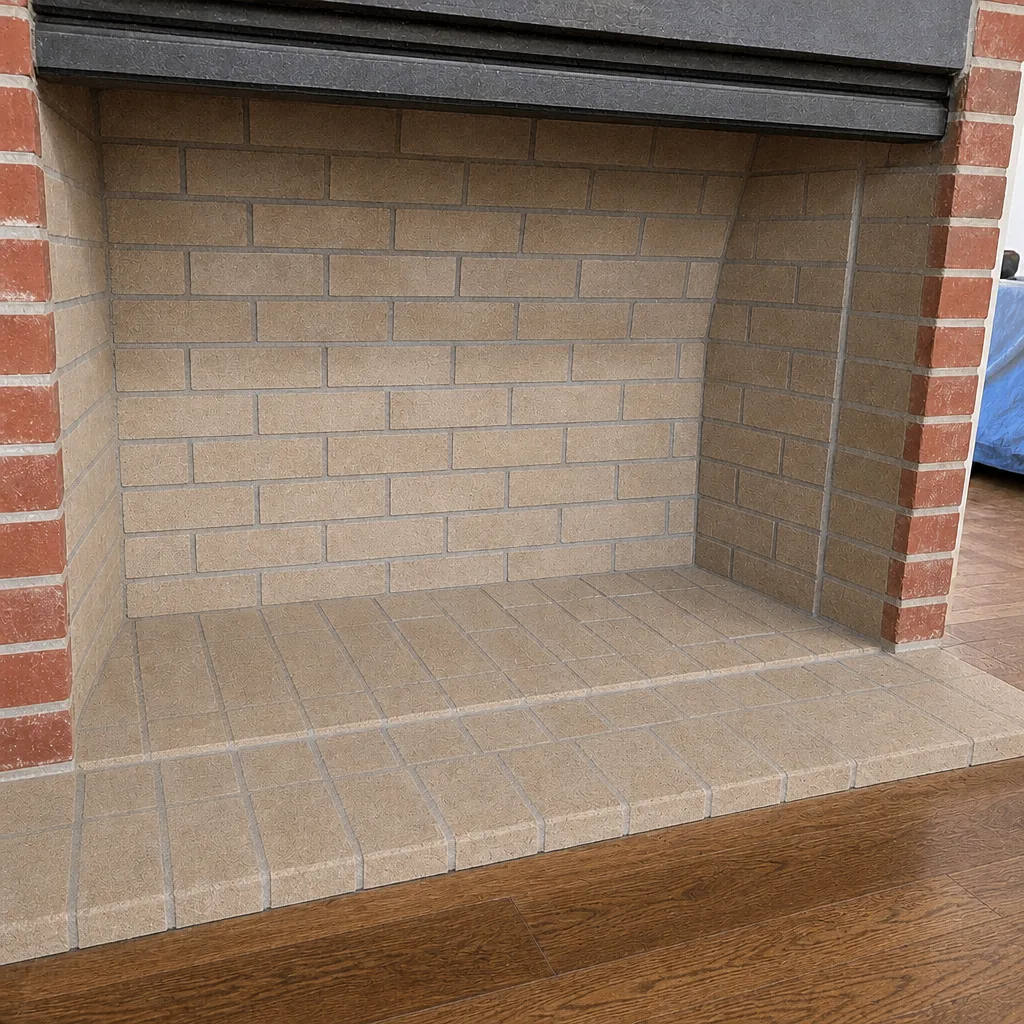
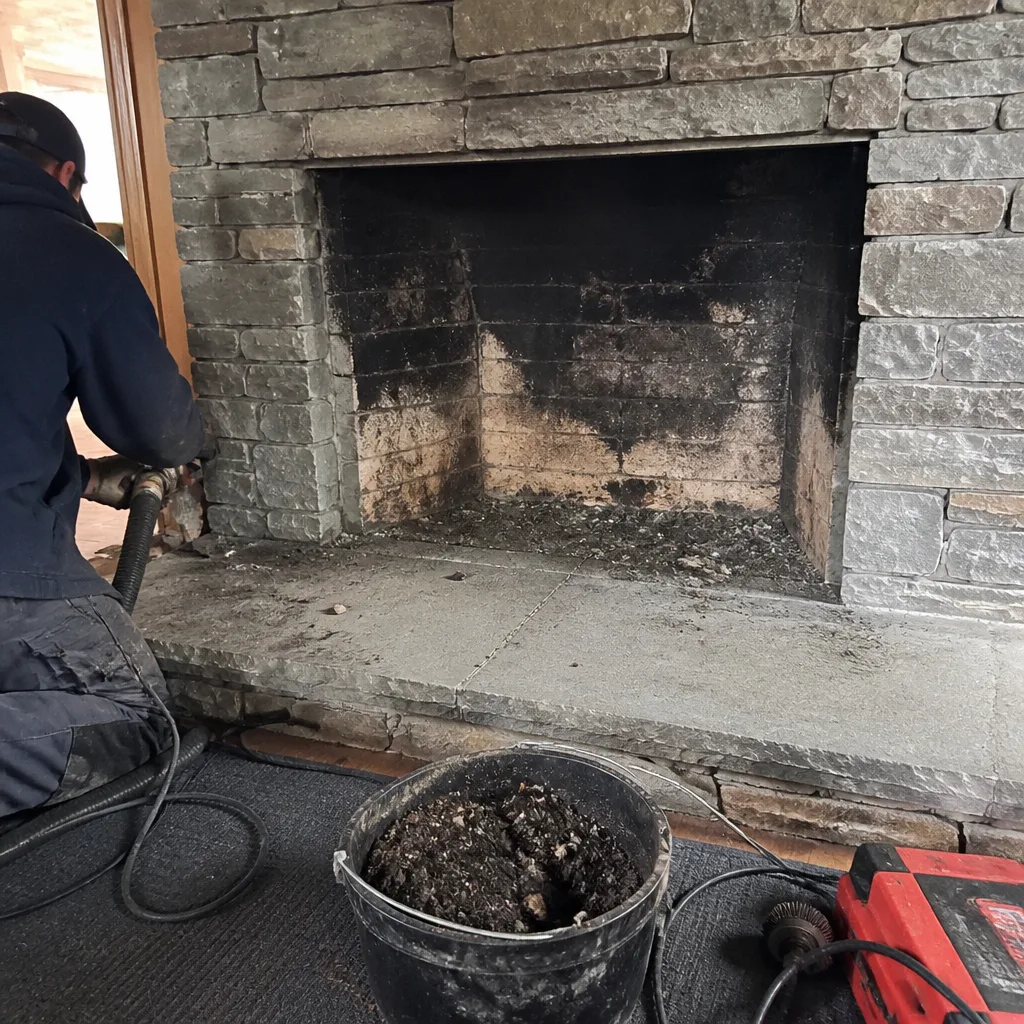
See the difference
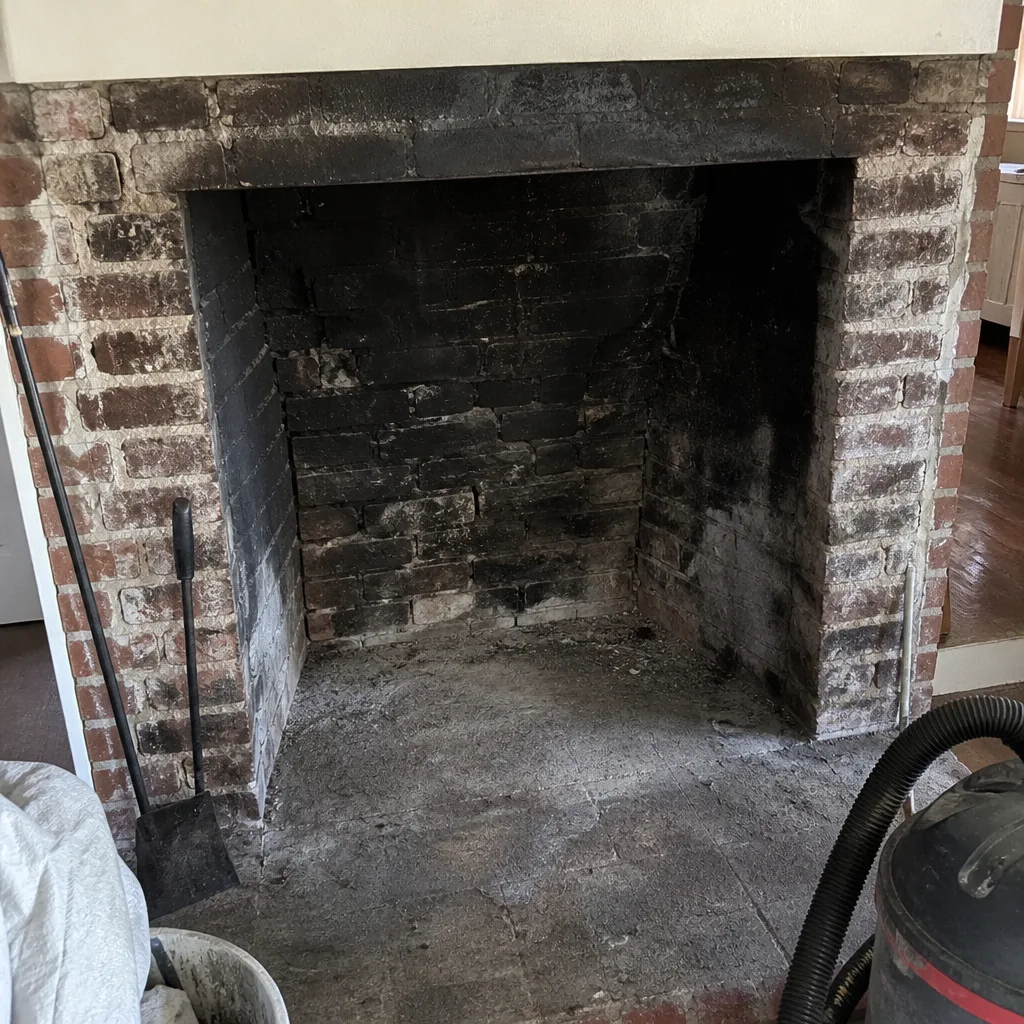 Before
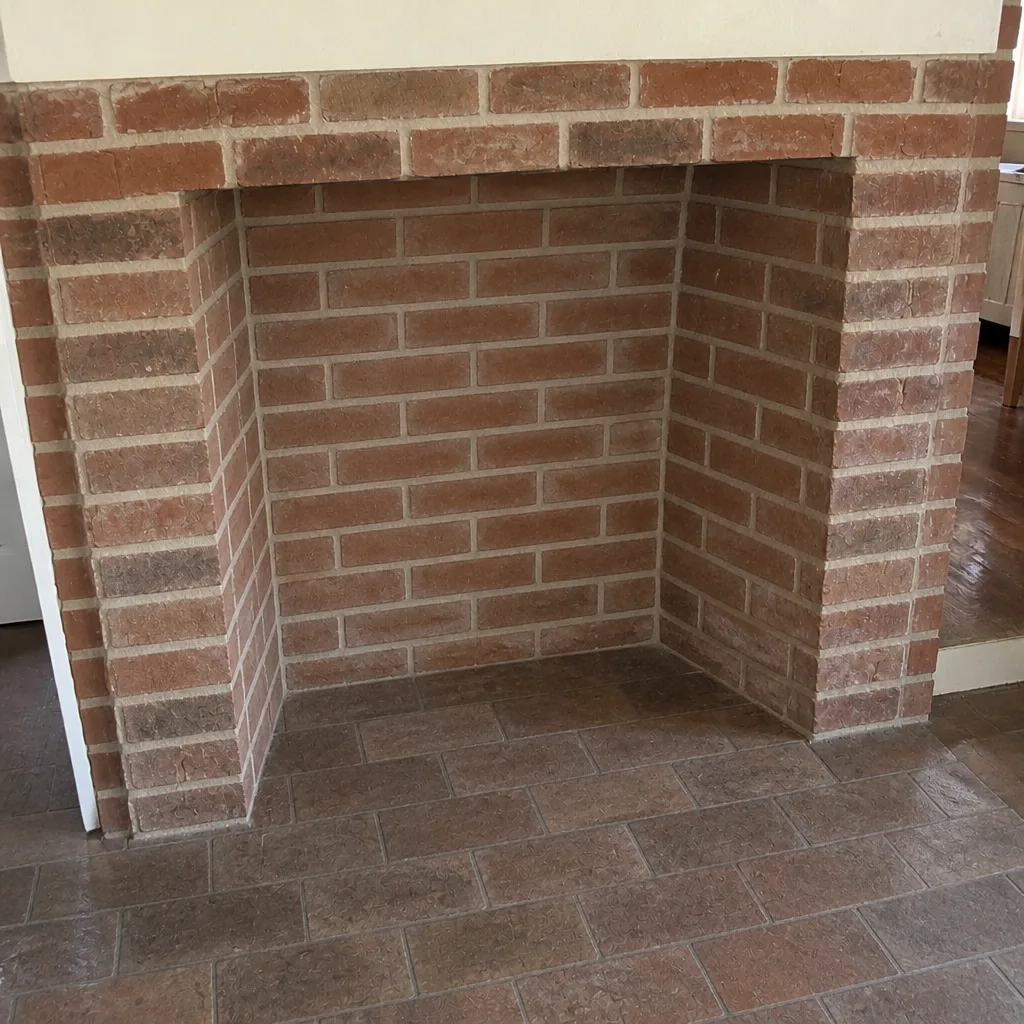 After
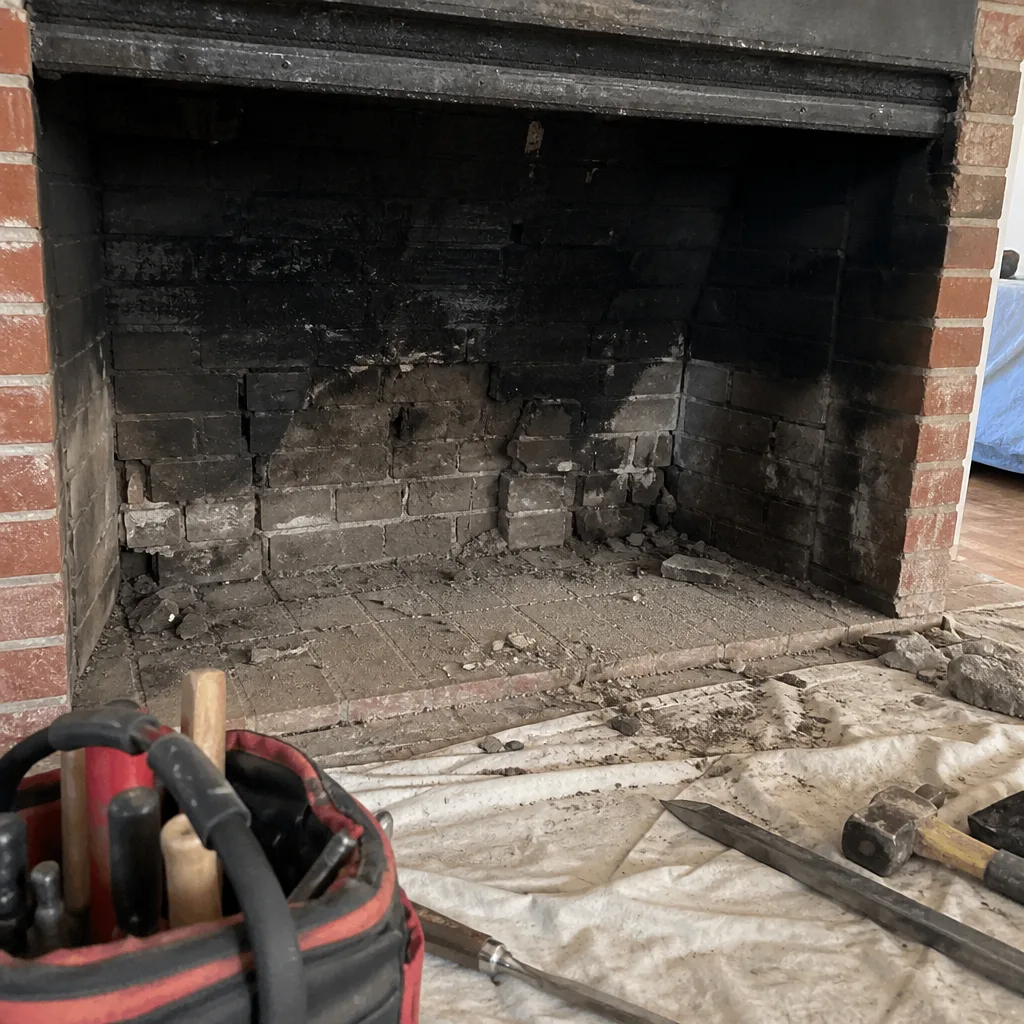 Before
 After
 Before
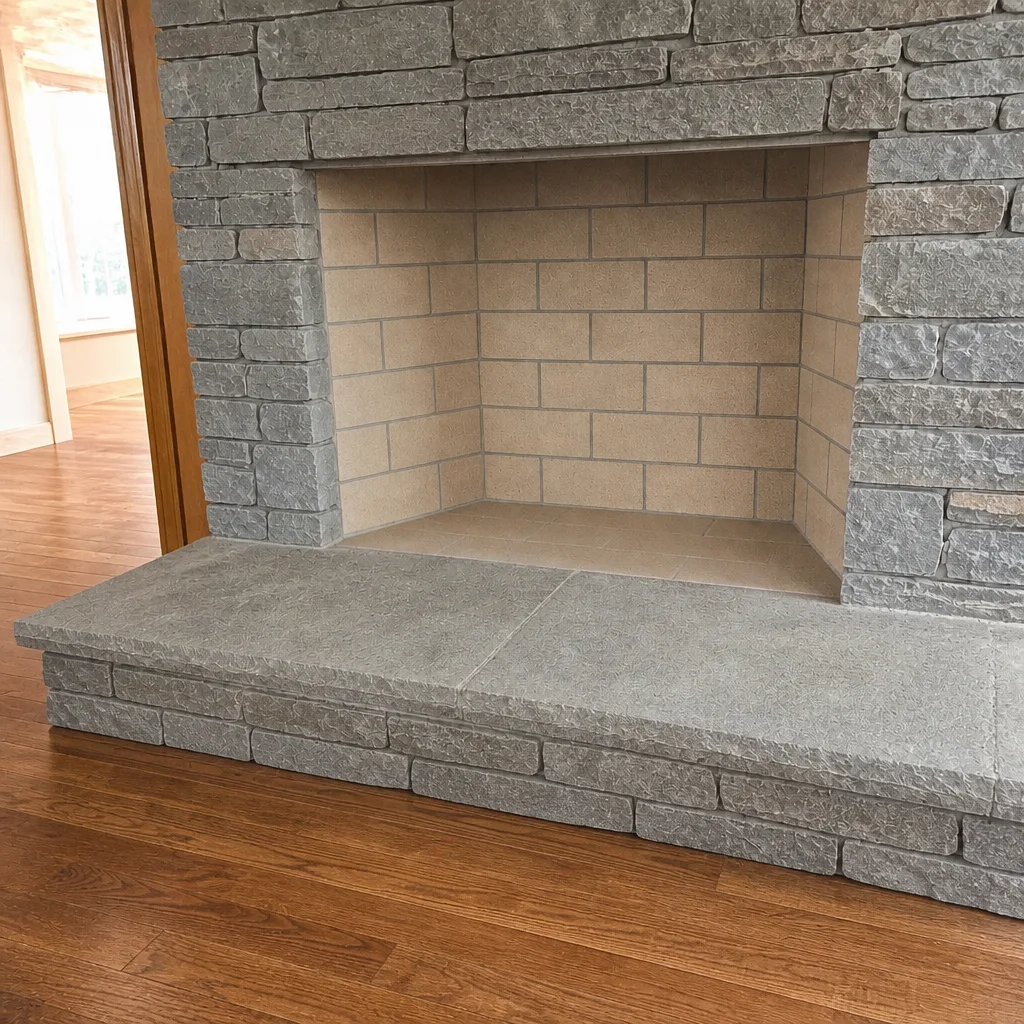 After
When to Call a Professional
Call a professional when you see smoke rolling into the room, when the carbon monoxide detector sounds with the fireplace running, when you see water stains on the ceiling or firebox, or when the creosote smell in summer keeps coming back after a cleaning. Call when the firebox brick has visible cracks or gaps, when the chimney cap is missing or damaged, or when you can see spalling brick on the exterior. Call before the heating season if the chimney hasn’t been inspected since the last one. And call if you’ve had a sweep but never a camera inspection – the sweep is half the picture. Chimney Sweep Brockton offers free estimates in Brockton – call (877) 704-4074. We answer 24/7. Fast dispatch from 7am to 7pm, Sunday through Friday.
Frequently Asked Questions
Smoke coming into the room is usually caused by a flue liner obstruction, a damper that no longer seals or opens fully, or negative pressure inside the house pulling air down the chimney. The three most common causes are all diagnosable with a camera inspection, which is the first step in tracing the backdraft. Call (877) 704-4074 to book an inspection – estimates are free.
You can’t confirm a cracked liner from the ground or from the firebox. The only reliable way to see liner cracks, gaps, and offsets is a camera inspection of the flue interior, and the footage should be shown to you as part of the inspection. The symptoms that suggest a cracked liner – slow draw, smoke in the room, summer creosote odor – are the same symptoms a dirty flue produces, which is why the camera matters. Call (877) 704-4074 for an inspection with camera footage you can see.
HeatShield is a chimney resurfacing system applied to the inside of a deteriorated flue to restore a smooth, sealed surface without a full liner replacement. When the draft problem traces to a roughened, cracked, or spalled liner that’s losing its smooth interior, resurfacing often resolves it. Not every liner qualifies, and a full relining with a DuraFlex flexible liner may be the right call for structural failures. The inspection determines which applies. Call (877) 704-4074 to find out which repair fits your flue.
Creosote deposits in the flue absorb moisture from summer air and give off a sharp, smoky odor, usually made worse by a downdraft pulling it back through the firebox. A sweep clears the deposits, and a top-sealing damper or a resurfaced flue reduces the conditions that make the smell return. It’s a symptom of deposit buildup, not a cosmetic issue. Call (877) 704-4074 to schedule a sweep and inspection before the smell becomes a bigger problem.
Older Brockton homes, especially those built before 1970, often have clay tile liners that have cracked or separated over decades of freeze-thaw cycles, and masonry that has spalled in the same way. Newer homes with modern liner systems tend to have different failure patterns. Age alone doesn’t mean the chimney is failing – plenty of older Brockton chimneys are sound – but it does change what the inspection focuses on. Call (877) 704-4074 to book an inspection suited to an older chimney.
Using a fireplace with an unresolved liner or draft problem adds creosote to a flue that can’t vent it properly, worsens any existing masonry damage from water intrusion, and keeps a safety issue in place through the burning season. Repairs typically get larger, not cheaper, when the underlying cause is left unaddressed. Getting the camera inspection first gives you the evidence to decide what’s urgent and what can safely wait. Call (877) 704-4074 for a free estimate on the inspection.
The Bottom Line
Most chimney complaints in Brockton trace back to the liner, the cap, or the firebox – and the symptom you notice points to which. Smoke in the room, summer creosote smell, slow draw, and water stains each have a specific mechanical cause, and the camera inspection is what confirms it. The older housing stock here makes liner cracks and spalling more common, but not every older chimney needs work. What matters is diagnosis before repair. Sweep, inspect, and repair form one loop, and the evidence from the camera is what should drive every decision, including the decision to wait.
If you’re in Brockton and something about your chimney doesn’t feel right, the honest next step is a conversation. Call (877) 704-4074 for a free estimate. We answer 24/7. Fast dispatch from 7am to 7pm, Sunday through Friday. We’ll book you in, show you the camera footage, and tell you what the flue actually needs.
Written by the team at Chimney Sweep Brockton.