
Last updated November 16, 2026
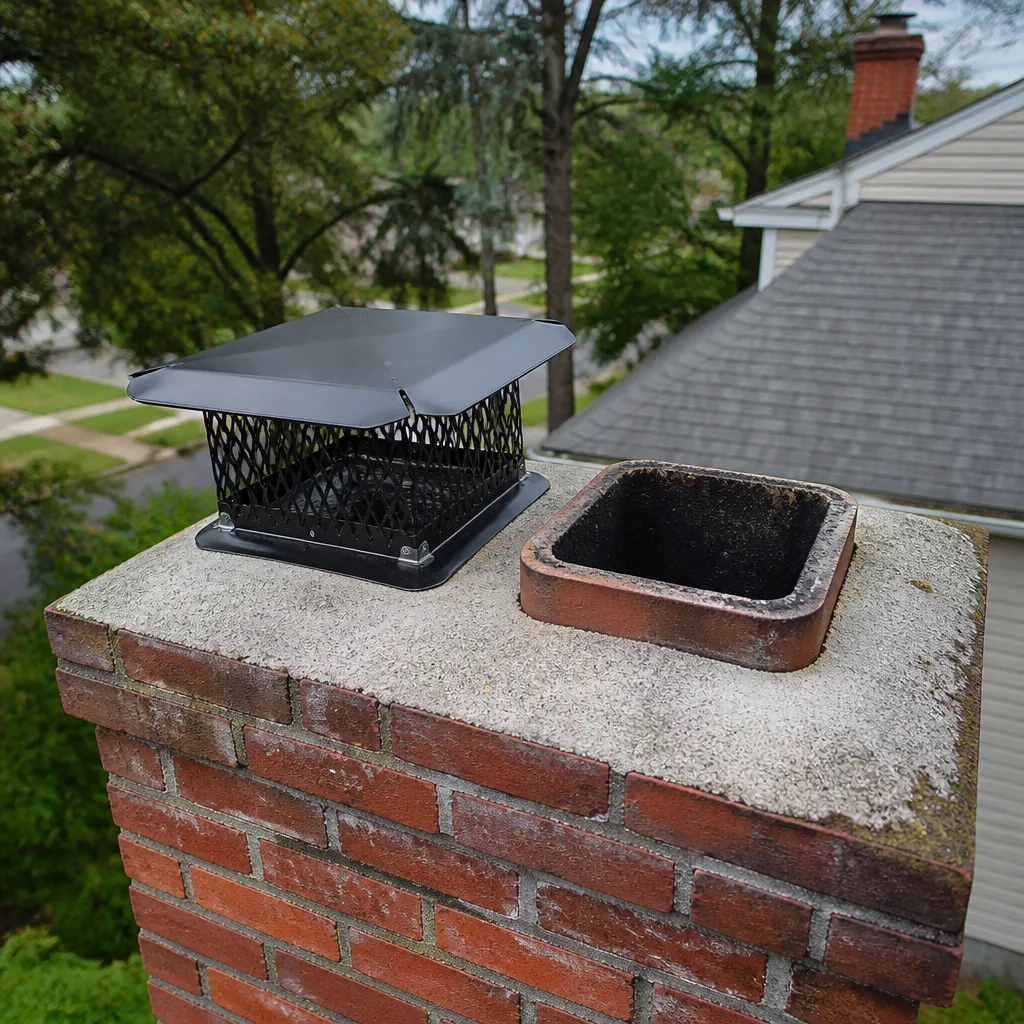 Sweep & inspection
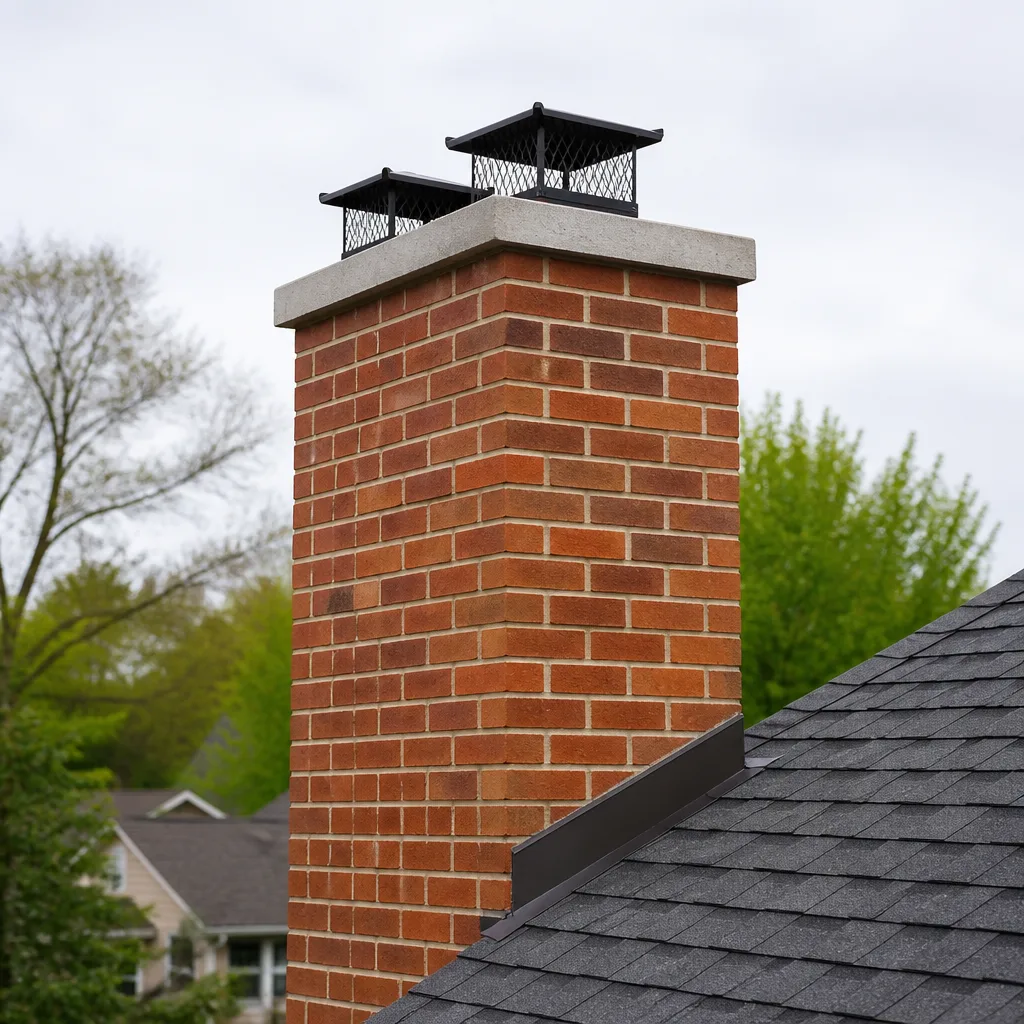 Caps & crowns
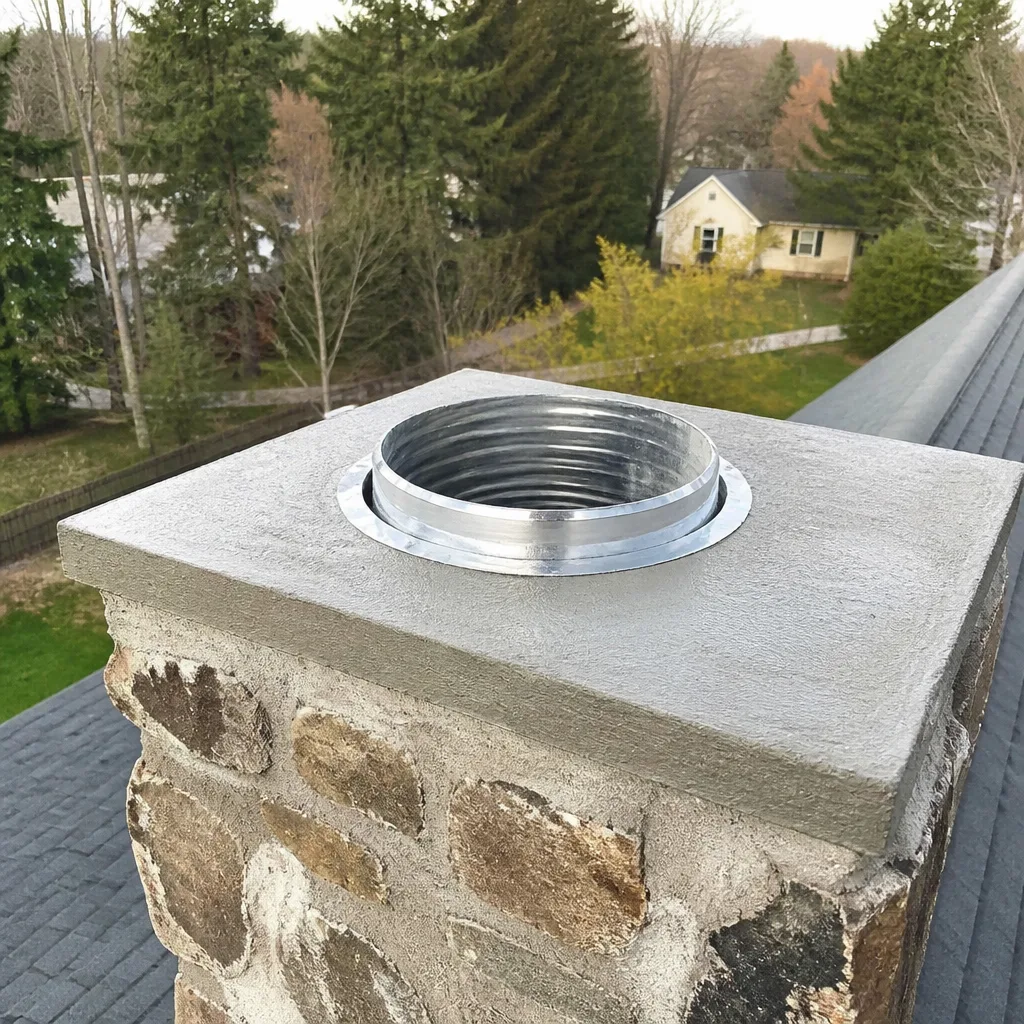 Flue relining
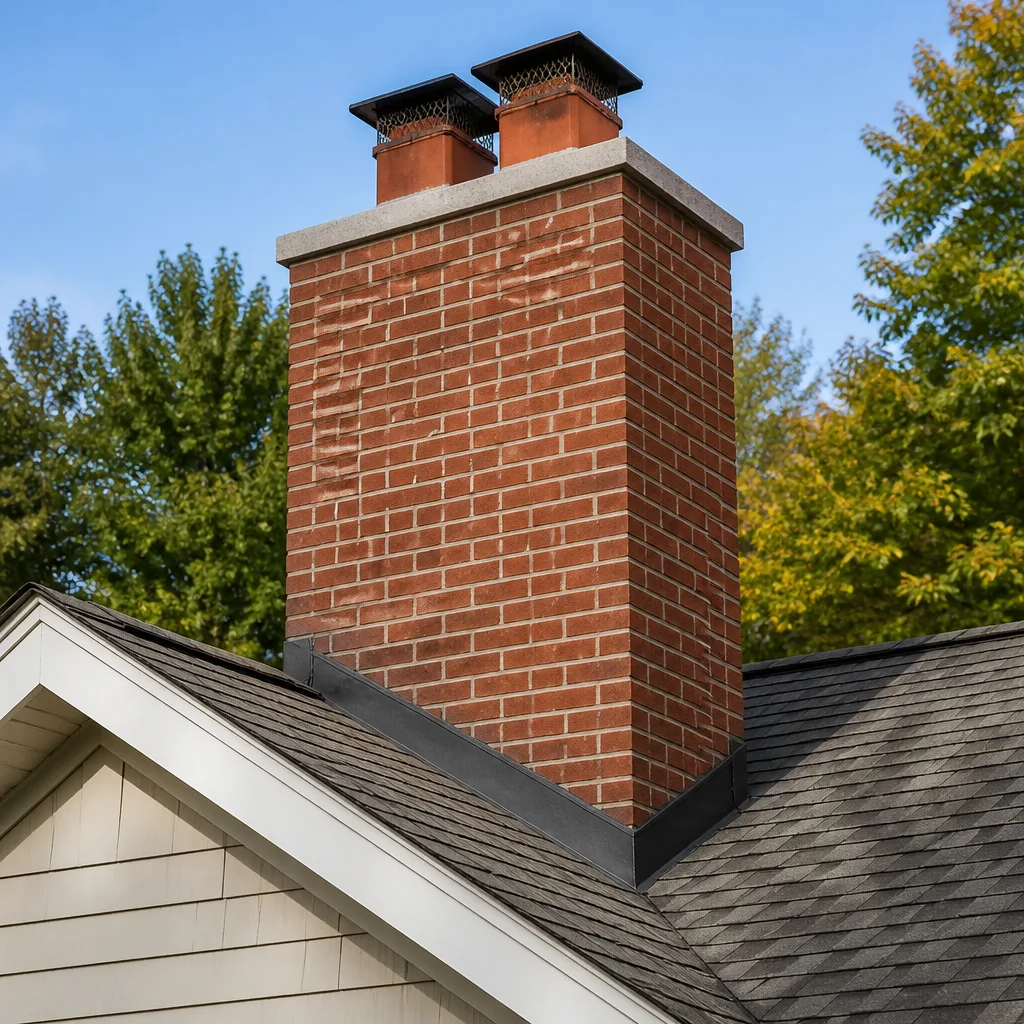 Masonry repair
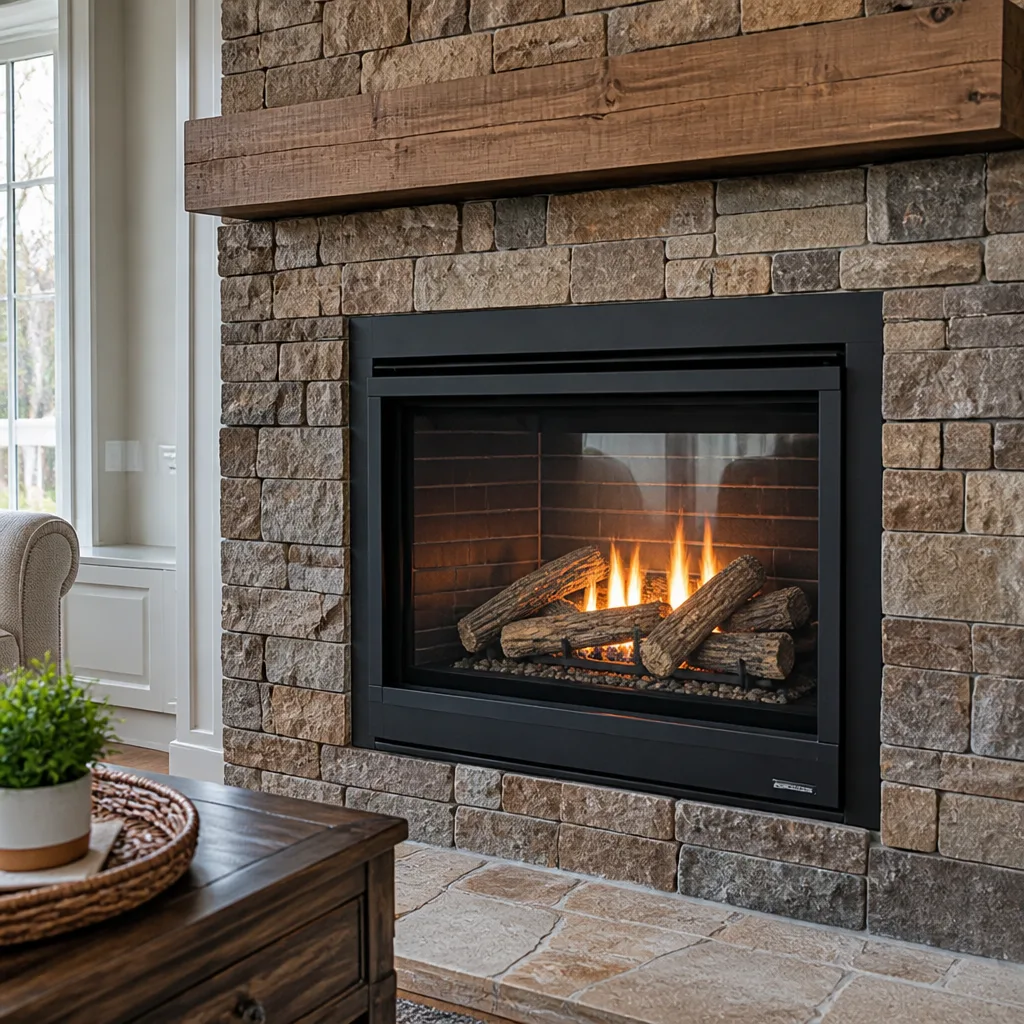 Gas fireplace service
Level 1 sweep and inspection to the NFPA 211 annual standard - flue, crown, cap, and flashing checked and photographed
Chimney sweep logs do not sweep chimneys. They loosen some creosote - which then falls where a brush and vacuum still have to collect it.
DIY vs Professional Chimney Cleaning: The Brockton Homeowner’s Decision Guide
Most homeowners who ask us about DIY chimney cleaning already own the brush. That’s usually not the problem. The problem is that a hardware-store brush removes one kind of creosote and does nothing safe about the other two, and those two are the ones that cause liner fires. Confidence has nothing to do with it – the flue decides. In this guide we’ll walk through the creosote stage test you can do with a flashlight, what a legitimate DIY sweep actually requires in equipment, the inspection gaps no homeowner can close on their own, and how to know when a cleaning in Brockton has turned into a repair call.
Quick Answer
DIY chimney cleaning is reasonable only when the flue is single-story and easily accessed, the deposit is light Stage 1 soot, and the system burns wood only. Any glazed or puffy Stage 2 creosote, or Stage 3 hardened creosote, needs professional chemical treatment or a reline – not more brushing. And no DIY sweep covers what matters most in Brockton: a camera-level check of the liner, flashing, cap seating and draft.
Styles & brands we work with
- Sweep & inspection
- Caps & crowns
- Flue relining
- Masonry repair
- Gas fireplace service
Table of Contents
- The Creosote Stage Test: What’s Actually in Your Flue?
- What DIY Cleaning Genuinely Cannot Assess
- Equipment Reality Check: What a Real DIY Sweep Needs
- The Liability Calculus Nobody Talks About
- When to Call Even After a Successful DIY Sweep
- What a Professional Sweep Actually Involves
- A Decision Framework for Brockton Homes
- Common Mistakes to Avoid
- When to Call a Professional
- Frequently Asked Questions
The Creosote Stage Test: What’s Actually in Your Flue?
Before you decide whether DIY is on the table, you need to know what’s coating the inside of the flue. Creosote forms in three distinct stages, and only one of them responds safely to a household brush.
- Open the cleanout door or the firebox and shine a strong flashlight up the flue. Look at the first two to three feet you can see.
- Look at the texture. Stage 1 is flaky, dusty, and brushes off the wall in visible curls. Stage 2 is shiny, hardened, and looks almost like a cracked glaze on the masonry or liner. Stage 3 is thick, crusted, and may appear puffy or like dark popcorn.
- Do the scratch test. With a screwdriver or stiff putty knife, gently score the deposit near the top of the cleanout throat. If it turns to powder and falls away, that’s Stage 1. If it chips and flakes in hard, glossy shards, that’s Stage 2. If the tool almost won’t bite, or the deposit has grown thick enough to narrow the flue visibly, treat it as Stage 3.
That first test changes everything. Stage 1 soot is the only kind a homeowner brush removes adequately. Stage 2 glazed creosote requires chemical treatments – products like CreoSweep are used to condition and break down glazed deposits before any brushing, and the process usually takes more than one visit. Stage 3 is a reline scenario regardless of who does the cleaning, and no consumer product safely addresses it. If your scratch test chips hard, stop here. Call chimney sweep technicians who can look at the whole system rather than the section your flashlight reaches.
What DIY Cleaning Genuinely Cannot Assess
Here’s the part that surprises homeowners: the cleaning is the easy half. The inspection is where the real information lives, and a homeowner looking up a flue with a flashlight is not doing an inspection – they’re doing a visual glance at one small section of a life-safety system. Four things matter more than the sweep itself, and none of them are visible from inside the firebox.
- Liner condition. Hairline cracks in a clay tile liner or gaps in a stainless liner joint won’t show up from below. Creosote and heat pass through those cracks into the surrounding structure. A camera inspection sees them; a flashlight doesn’t.
- Flashing integrity. The metal flashing where the chimney penetrates the roof is the most common water-entry point on any chimney. You can’t inspect it from the ground, and most homeowners never go up on the roof.
- Cap seating and termination. A cap that’s worked loose, has a cracked crown, or is missing a screen lets water, animals, and debris in. We use parts from Gelco and Famco on caps and termination components, and we’ve seen how often a “clean” flue was actually open to the weather at the top.
- Draft performance. Draft is a system behavior, not a part. A flue can look clean and still fail to draft properly because of a sizing mismatch, a blocked cap, or a negative-pressure issue in the house. You can’t test draft by sweeping.
These gaps matter more than the cleaning because they’re invisible. A swept flue with a cracked liner is still a fire risk. A swept flue with a loose cap still takes on water. And in Brockton’s older housing stock – plenty of which is over a century old – the liner is the part most likely to be at issue. If any of these four come back uncertain after your own look, that’s a chimney repair question, not a cleaning question.
Equipment Reality Check: What a Real DIY Sweep Needs
What a home improvement store sells you is a starter kit. What a legitimate DIY sweep of a working chimney actually requires is a different list, and the gap between the two is where most DIY attempts fail or cause damage.
- A brush sized to the flue, not the firebox. Brush diameter must match the flue’s actual interior dimension. Too small skips the corners; too large jams and can crack a clay tile. Measure the flue opening at the top and at the damper, not just where the fire sits.
- Rods rated for the run. Rod flexibility ratings matter. A 25-foot run needs rods built to flex through an offset without kinking, and cheap fiberglass sections snap under torque. Rigid rods on a flue with a smoke chamber offset can wedge and scar the liner.
- A proper seal and drop cloth system. The most common DIY consequence isn’t a chimney problem – it’s a living room problem. Soot travels. A sealed work area, drop cloths, and a HEPA vacuum made for fine particulate matter are not optional.
- Respiratory and eye protection. Soot and creosote are corrosive and irritating. A dust mask and sealed goggles are the minimum.
- Roof access for the top-down pass. Most residential chimneys sweep best from the top. If you’re not comfortable or equipped to be on the roof, you’re limited to a bottom-up partial sweep, which is not equivalent.
Put all of that together and the honest answer is: a DIY kit works for light Stage 1 soot on a short, straight, easily accessed flue. Anything beyond that – a two-story run, an offset in the smoke chamber, a flue you can’t reach from the roof safely – is a professional job with professional equipment. Our technicians have up to 9 years of experience and carry the tools for the full run, not a starter kit.
The Liability Calculus Nobody Talks About
Here’s a piece of the decision that homeowners rarely consider until it matters: how the cleaning was done can affect how an insurance claim is handled after a chimney fire.
Insurance carriers care about documented maintenance. If a chimney fire occurs and the homeowner can show a record of professional cleaning and inspection at the recommended intervals, the claim process generally starts from a different place than if there’s no documentation at all – or if the only cleaning on record was a self-performed sweep with no inspection. We can’t speak for any specific insurer, and coverage depends on your policy. What we can say is that documentation is the difference between “we maintain this system” and “we think it was fine.”
There’s a second layer. A DIY sweep that damages a clay liner tile, chips a flue collar, or leaves a brush section lodged in the flue doesn’t just create a fire risk – it can create a repair that a professional will have to undo before the chimney is usable. And that repair is more expensive than the cleaning would have been. In our experience, the homeowners who benefit most from a professional sweep in Brockton are the ones who want a record: a written inspection report with photos, a documented date, and materials traceable to brands like DuraFlex if the work goes that far. That record is worth more than the brush you bought.
When to Call Even After a Successful DIY Sweep
Sometimes the DIY sweep goes fine. The brush ran clean, the soot came down, and the flue looks better than it has in a year. Good. Now look again, because a successful cleaning tends to reveal things that a soot-coated flue was hiding.
Call a professional if any of the following show up after your sweep:
- Visible cracks, gaps, or missing mortar in the flue tiles or the liner. Once the soot is gone, these surface. Any crack at all is a reason to get the system inspected before the next burn.
- Shiny glazed patches that survived brushing. That’s Stage 2 creosote. It didn’t come off because a brush won’t take it off. It needs chemical treatment.
- Flaking or crumbling material at the damper or smoke chamber. That can point to a liner that’s deteriorated or a smoke chamber that needs resurfacing – work we do with HeatShield, a specialist chimney resurfacing product, not a general masonry repair.
- A cap that’s loose, cracked, or missing its screen. Caps and venting components from Gelco and Famco are standard replacement parts, and a loose cap should be seated or replaced before the heating season.
- Draft problems. Smoke backing into the room, a fire that’s slow to start, or a smell in the house between burns. These are inspection findings, not cleaning findings.
- Any sign of moisture – rust on the damper, water stains on the firebox, or a chimney that smells damp. That’s a flashing or crown issue, and it needs a roofer-adjacent repair done by someone who handles chimney systems.
If your sweep revealed a cracked liner or a failing smoke chamber, that’s a reline conversation, and DuraFlex flexible liner systems are the professional-grade material we reach for. We’d rather tell you the flue is fine than sell you a liner. Nothing gets recommended without camera evidence you can see for yourself.
What a Professional Sweep Actually Involves
It helps to know what you’re comparing your DIY effort against. A professional chimney sweep in Brockton is a three-part visit, and all three parts are included in one booking.
- Setup and protection. Drop cloths, sealed work area, HEPA vacuum running the whole time. Your floors and furniture are protected before any tool touches the flue.
- The sweep. Brushes sized to your specific flue, rods rated for the run, top-down and bottom-up as the chimney requires. The firebox, damper, smoke chamber, and flue get cleaned – and the smoke chamber is the part DIY kits never reach.
- The inspection. Camera inspection of the flue, a look at the liner, flashing, crown, and cap, a draft check, and a photo report. You get the photos. That’s the part that turns a cleaning into information you can act on.
- The work order, if needed. If the inspection finds a problem, we quote the repair – liner, resurfacing, cap, crown – with the product named. You can look up DuraFlex, HeatShield, Olympia Chimney, and Copperfield before you say yes. And if the work can safely wait until spring, we’ll tell you that too.
The whole point of the sweep-inspect-repair loop is that you’re not handed off to a second contractor mid-job. The people who find the problem are the people who can fix it. That’s what we mean by treating the flue as a life-safety system – because that’s what it is.
A Decision Framework for Brockton Homes
Here’s the framework, stripped to the decision. Work through it in order and it will tell you what to do.
Start with the flue itself. Do the flashlight and scratch test. If you see or feel glazed, hardened, or thick crusted deposit – Stage 2 or Stage 3 – stop. DIY is off the table and you need a professional, period.
Then look at access. Single-story, straight run, cleanout door at the base, roof you can safely stand on? A DIY sweep might be reasonable for light soot. Two-story chimney, offsets, a roof with steep pitch or poor footing, an interior chimney? Professional job.
Then look at what you burn. Wood-only is the simplest case. If you burn anything else – manufactured logs, coal, oil, gas – the cleaning method and the inspection requirements change, and the DIY case gets weaker fast.
Then ask what you’re missing. If you can’t inspect the liner, flashing, cap, crown, and draft yourself, then you can’t close the loop a cleaning is supposed to close. A clean flue with a cracked liner is not a safe flue. That’s the gap that decides it.
Finally, think about the record. If documentation matters to you – for your own peace of mind, for a future home sale, for insurance – a professional sweep gives you something a DIY sweep can’t. A dated report, with photos, and materials you can verify.
Brockton homes run the full range on this framework. The older triple-deckers and capes near the city center often have interior chimneys with offsets, which pushes them toward professional. Newer construction with a straight exterior flue can be a friendlier DIY candidate – as long as the creosote is Stage 1 and the liner checks out. The framework is the same either way. Our team at Chimney Sweep Brockton is glad to walk you through it if you’re not sure where your house lands. You can also read more about how we work in Brockton.
Common Mistakes to Avoid
- Sweeping before testing the creosote. Brushing glazed Stage 2 creosote doesn’t remove it – it polishes it and hardens it further. Do the scratch test first, always.
- Buying a brush sized to the firebox. The flue diameter at the top is what matters. Measure before you buy, and size the brush to the flue, not the opening you can see.
- Assuming “clean” means “safe.” The most common DIY mistake in Brockton’s older housing stock is cleaning a flue that has a cracked liner and calling it done. Clean and safe are different questions.
- Skipping the cap. A missing or loose cap lets rain, birds, and debris straight into the flue. Check it from the ground with binoculars before every heating season.
- Using a shop vac as a chimney vac. Standard shop vacuums are not rated for fine soot and can spread it through the whole house. If you sweep, use a HEPA unit rated for the job.
- Burning wet or unseasoned wood. Green wood is the single biggest contributor to fast creosote buildup. Season your wood and store it covered and off the ground.
- Sweeping once and forgetting. Chimneys need sweeping at the interval your burning habits call for, not once in a while. A record of cleanings is worth more than a single heroic effort.
When to Call a Professional
Call a professional if your chimney has any of these: glazed or hardened creosote that brushing won’t remove; a liner with visible cracks or gaps; a smoke chamber with flaking or crumbling surfaces; a cap or crown that’s loose, cracked, or missing; water stains or rust in the firebox; smoke backing into the room; a flue you can’t safely reach from the roof; or a system you’ve never had inspected since moving in. Those are not cleaning problems, and no brush will solve them. In Brockton, Chimney Sweep Brockton offers free estimates – call (877) 704-4074. We answer 24/7. Fast dispatch from 7am to 7pm, Sunday through Friday.
Frequently Asked Questions
Pricing is set per job by a free written estimate, so the final cost depends on your flue, your access, and how much deposit is in the system – not a flat number. The estimate is free, and the written estimate is the price. Call (877) 704-4074 for an exact quote.
Only in a narrow case: light Stage 1 soot, a single-story straight flue, wood-only burning, and safe roof access. If the deposit is glazed, the flue has offsets, or you can’t inspect the liner and cap from the roof, DIY isn’t safe. Run the scratch test before you decide – it will tell you which case you’re in.
Stage 1 is flaky soot that a brush removes. Stage 2 is glazed, hardened creosote that a brush cannot remove and that needs chemical treatment before brushing. Stage 3 is thick hardened creosote that generally requires a reline. A flashlight and a screwdriver will tell you which stage you have in the first two feet of the flue.
Only if the inspection finds cracks, gaps, or deterioration that make the existing liner unsafe. That’s a camera-evidence question, not an opinion. We don’t recommend a liner without showing you the photos that justify it, and we’ll tell you plainly when the existing liner has years left.
It depends on how much and how often you burn, and on what you burn. The honest interval is set by the deposit, not the calendar – which is why a camera inspection at each cleaning is the useful part. Ask for a sweep based on inspection findings, not a fixed number someone quotes over the phone.
Creosote builds up, and glazed creosote is the fuel for a chimney fire. A chimney fire can damage the liner and, in the worst case, spread beyond the chimney. Skipping cleaning doesn’t create an immediate emergency – it creates a system that’s progressively less safe. A sweep in Brockton before burning season is a small cost against a much bigger one. Call (877) 704-4074 for a free estimate.
Yes, if you can’t inspect the liner, flashing, cap, and crown yourself. A flue can look clean from below and still have a cracked liner or a loose cap. The inspection is the part that finds those, and it’s the part that matters most. A sweep without an inspection closes half the loop.
The Bottom Line
DIY chimney cleaning is a real option for a narrow set of conditions: Stage 1 soot, an accessible single-story flue, wood-only burning, and a homeowner honestly equipped to do the job right. For glazed Stage 2 creosote, Stage 3, or any flue you can’t inspect from the roof, it’s a professional job – not because of confidence, but because of what’s actually in the flue. The scratch test answers that question in about five minutes. And even a successful DIY sweep should end with a professional eye on the liner, the cap, the flashing, and the draft. That’s the part that keeps a Brockton chimney safe through the heating season.
Call (877) 704-4074 for a free estimate. We answer 24/7. Fast dispatch from 7am to 7pm, Sunday through Friday. Sweep, inspect, and repair under one crew – with materials you can look up by name before you say yes.
Written by the team at Chimney Sweep Brockton.
See the difference
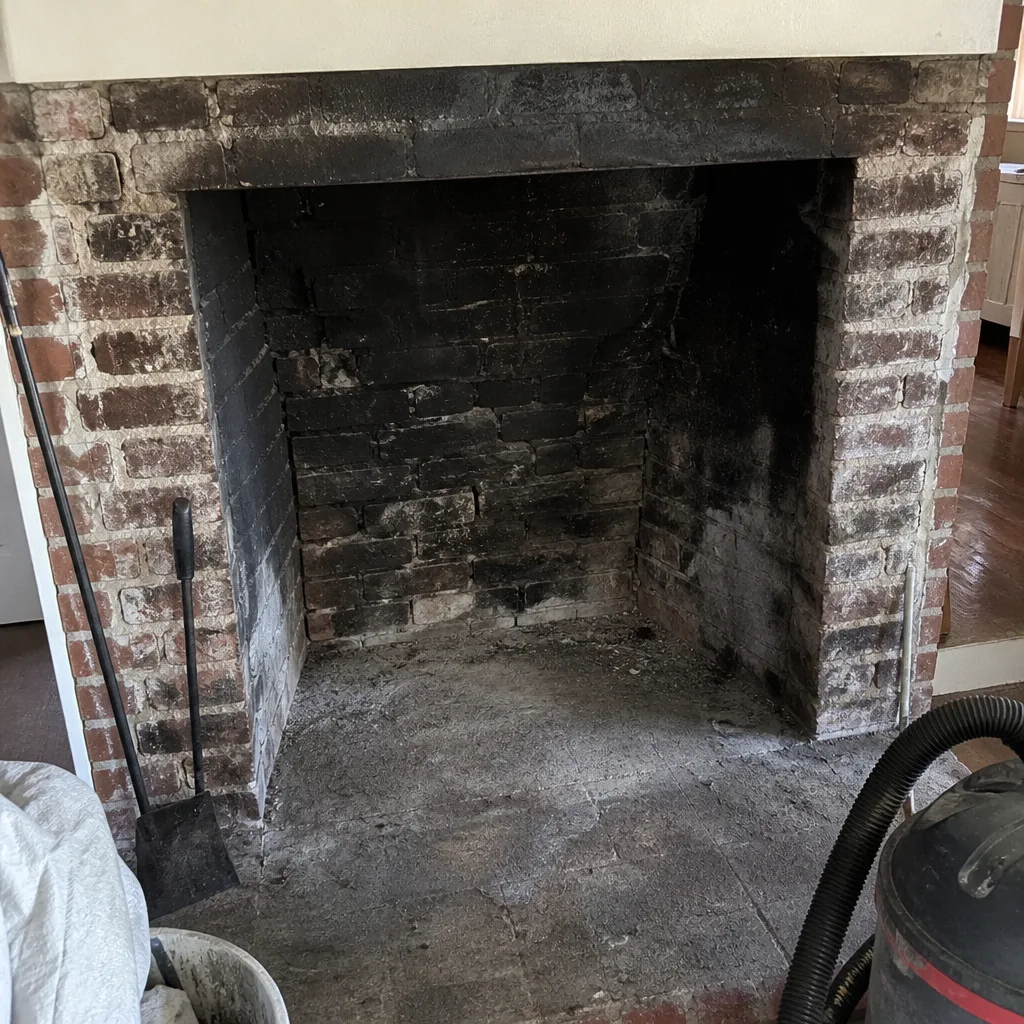 Before
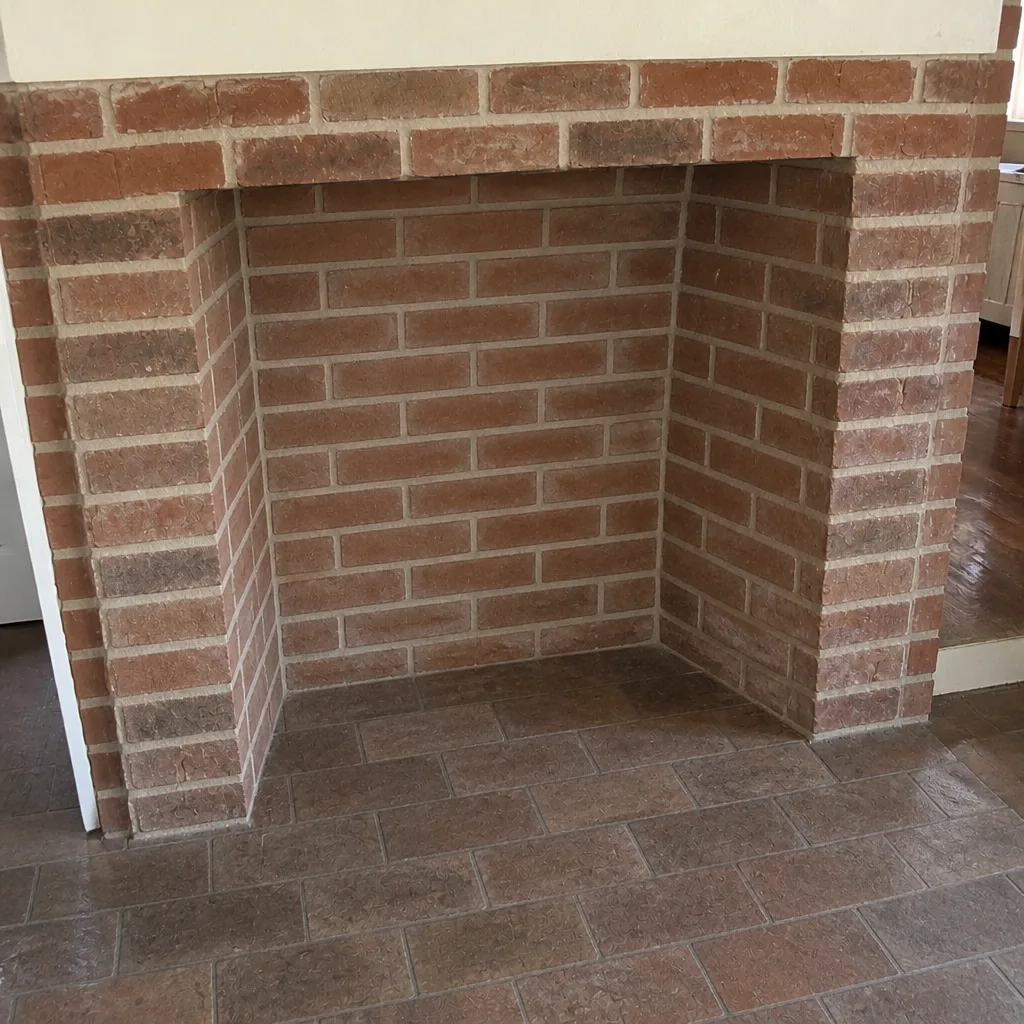 After
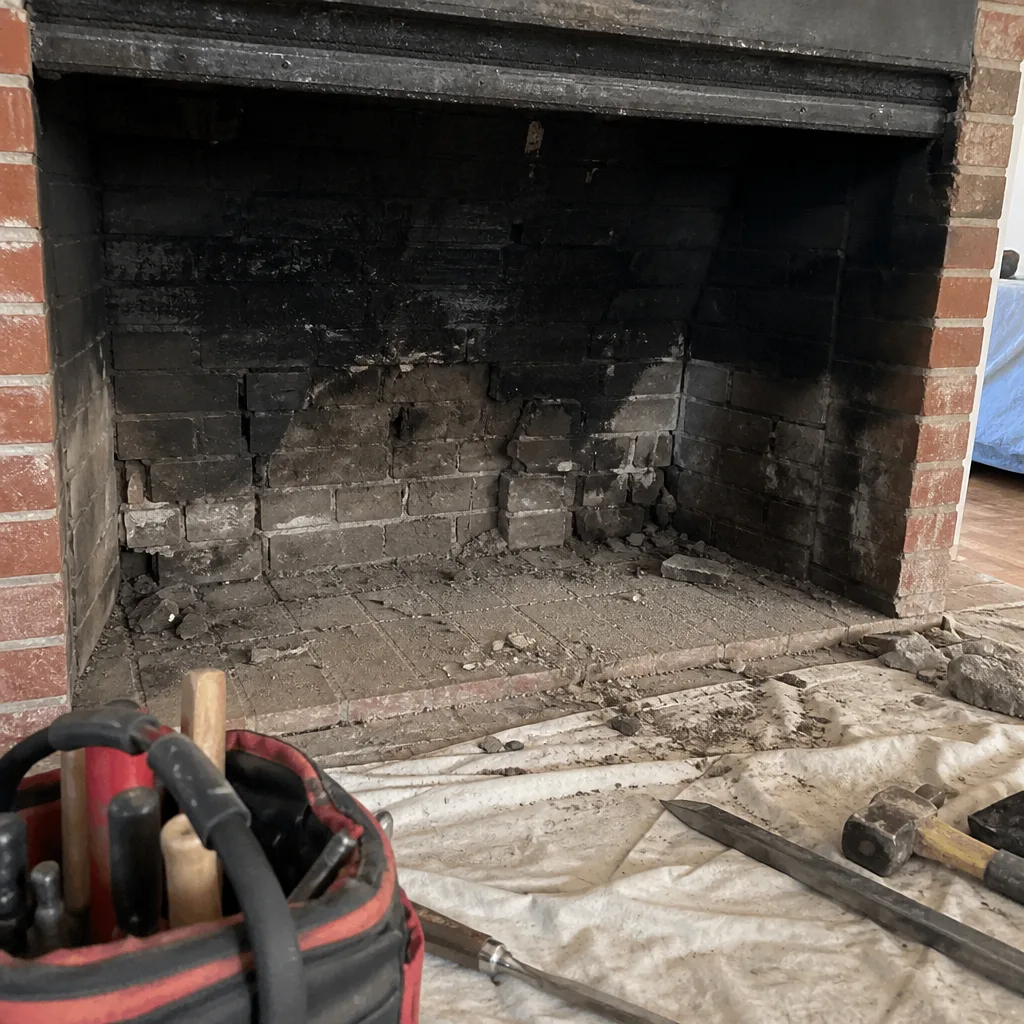 Before
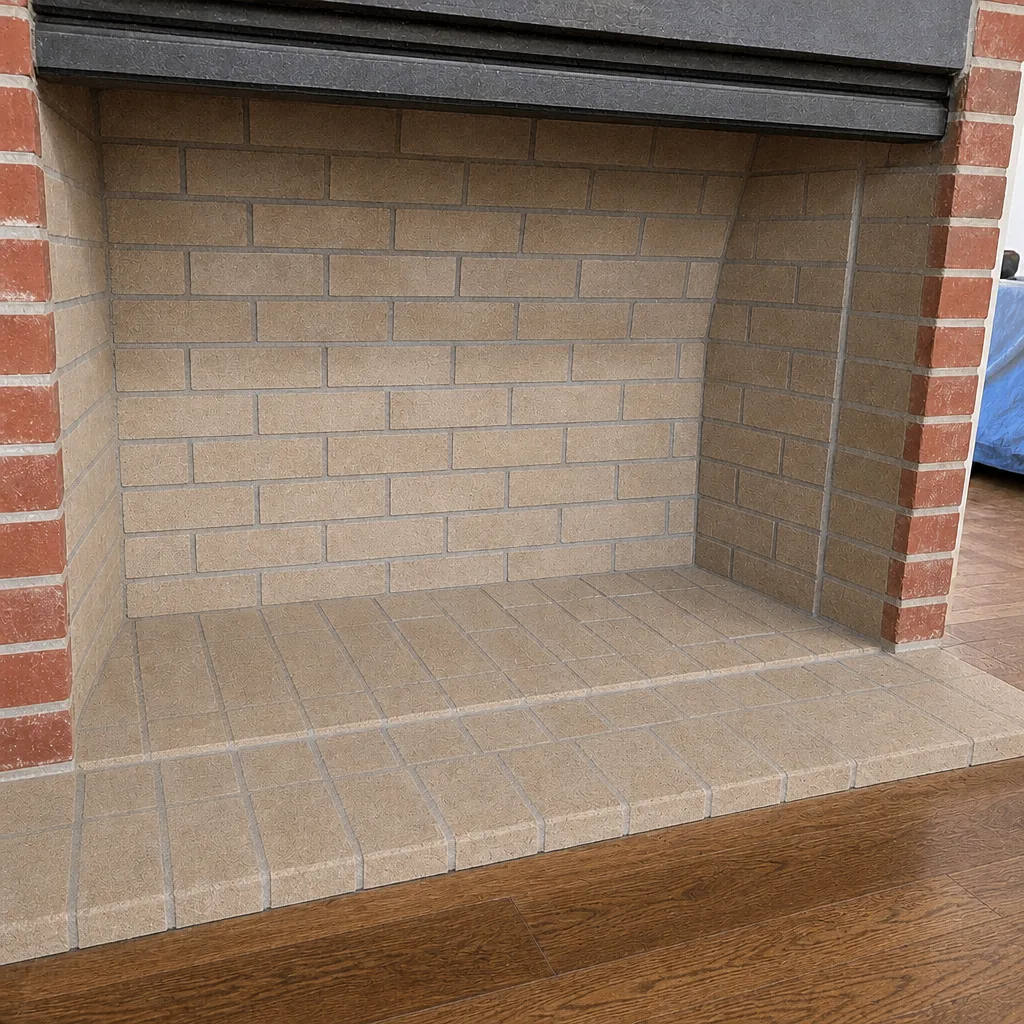 After
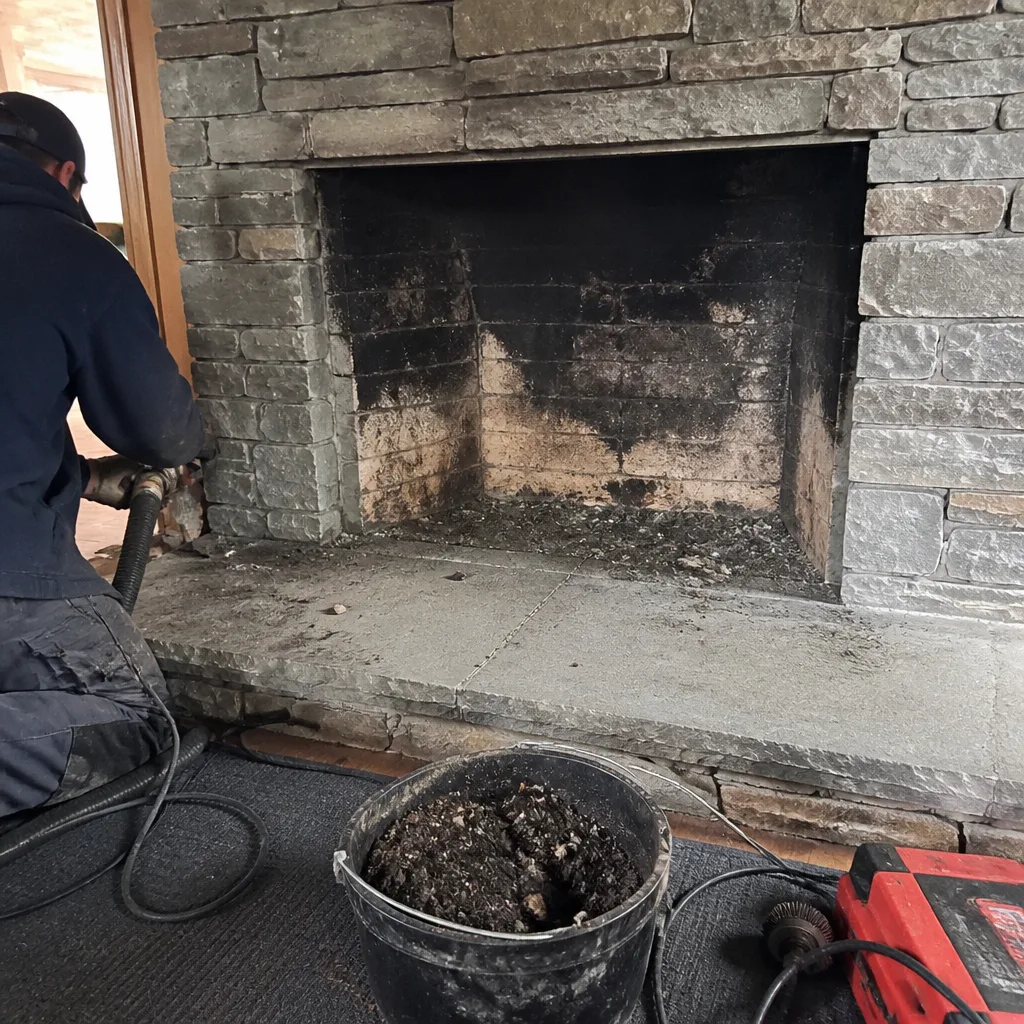 Before
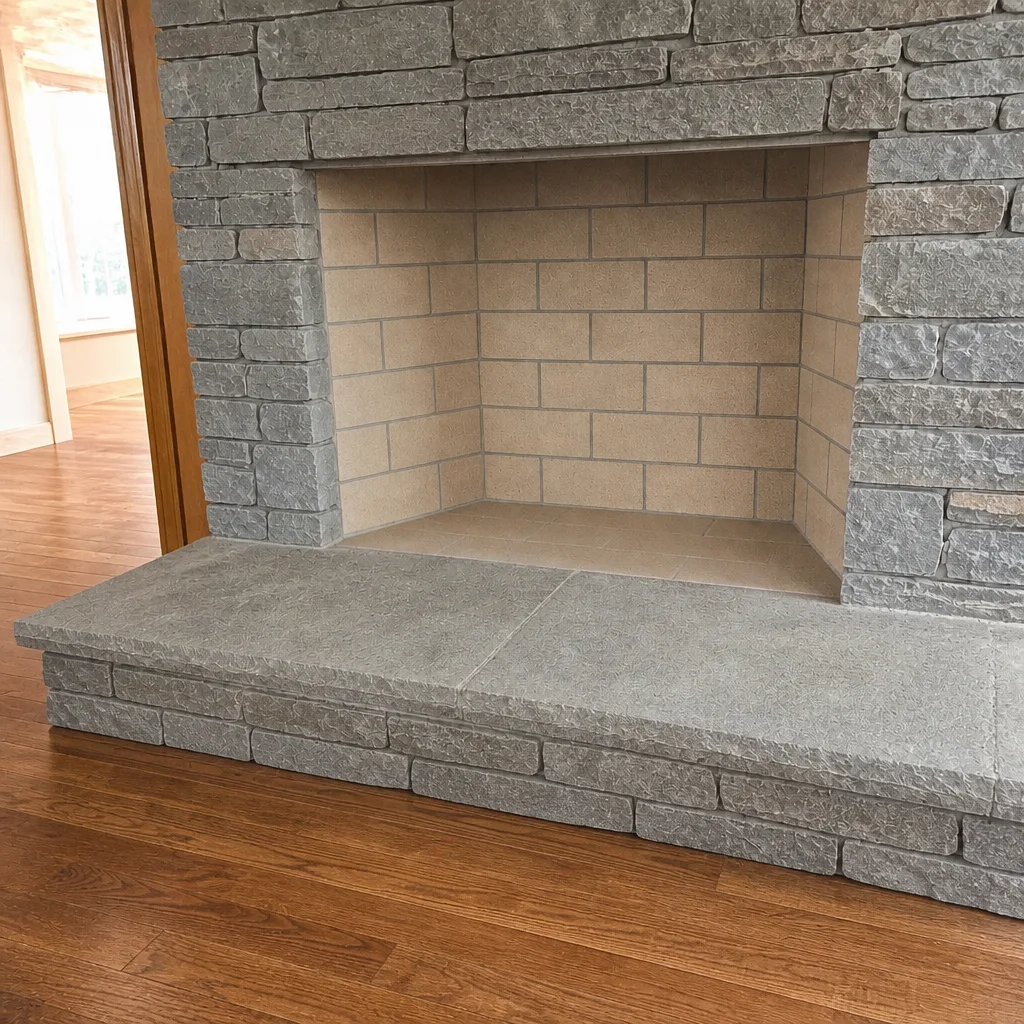 After