
Last updated November 16, 2026
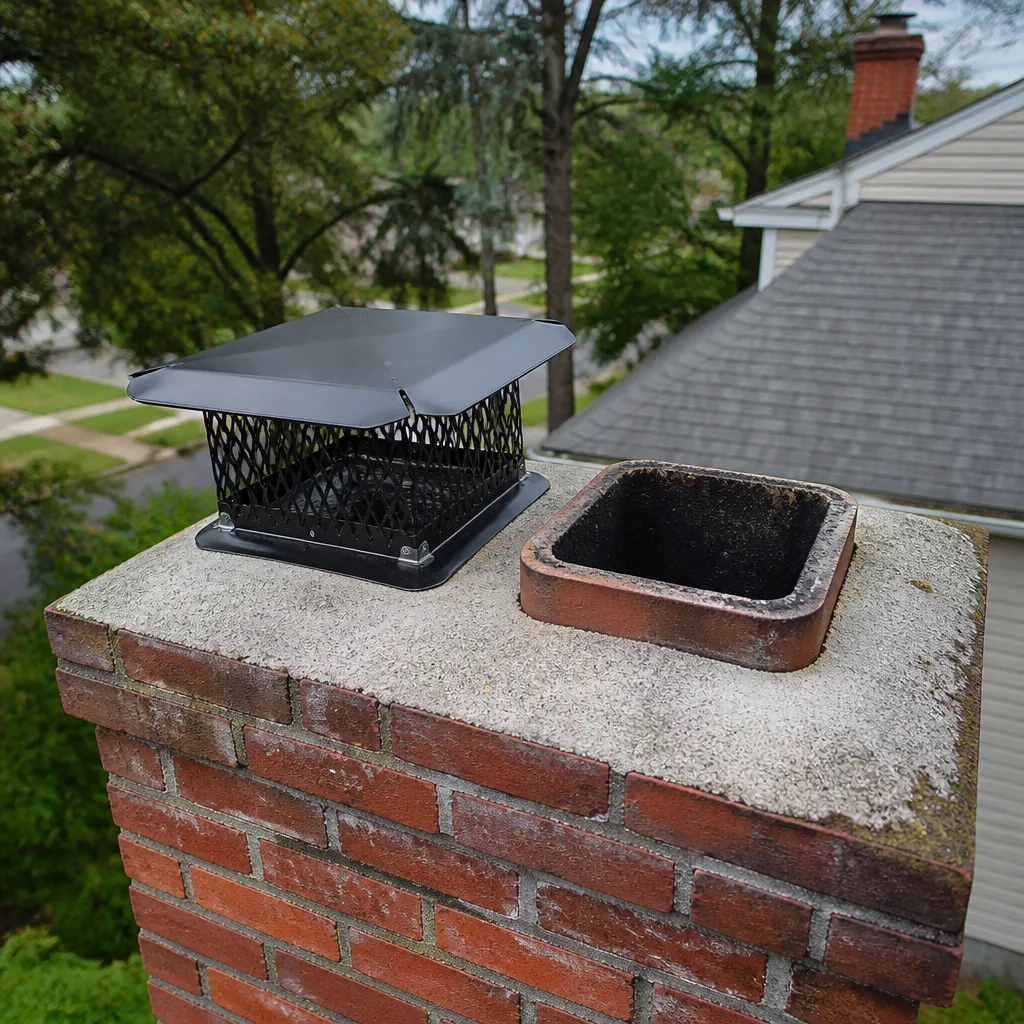 Sweep & inspection
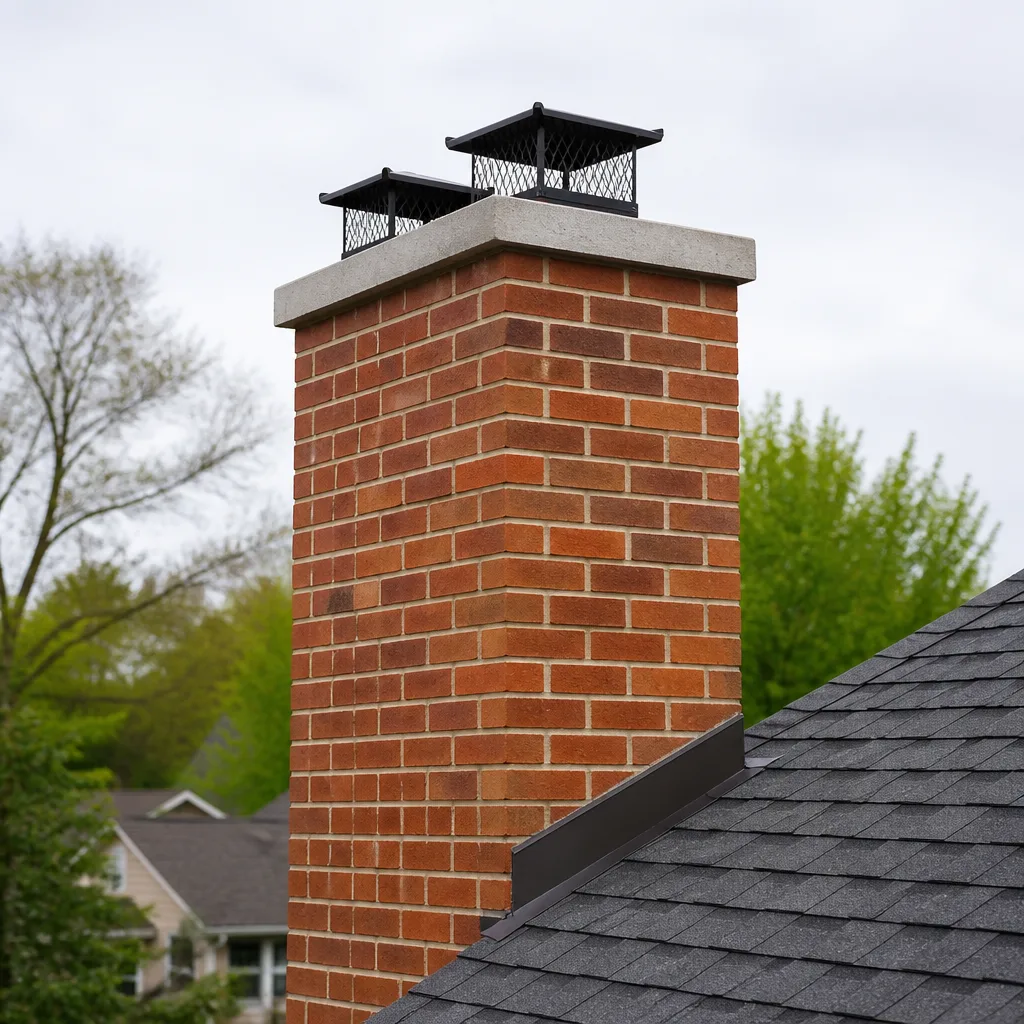 Caps & crowns
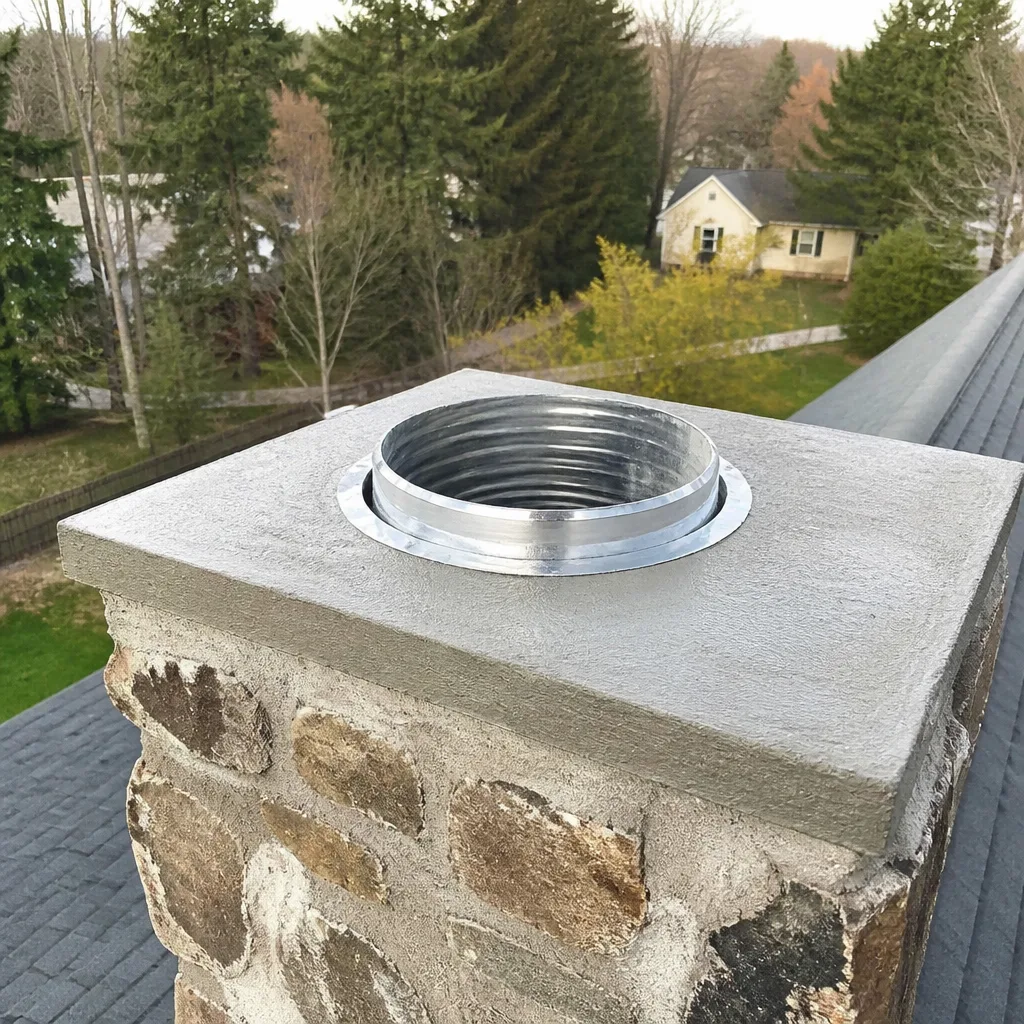 Flue relining
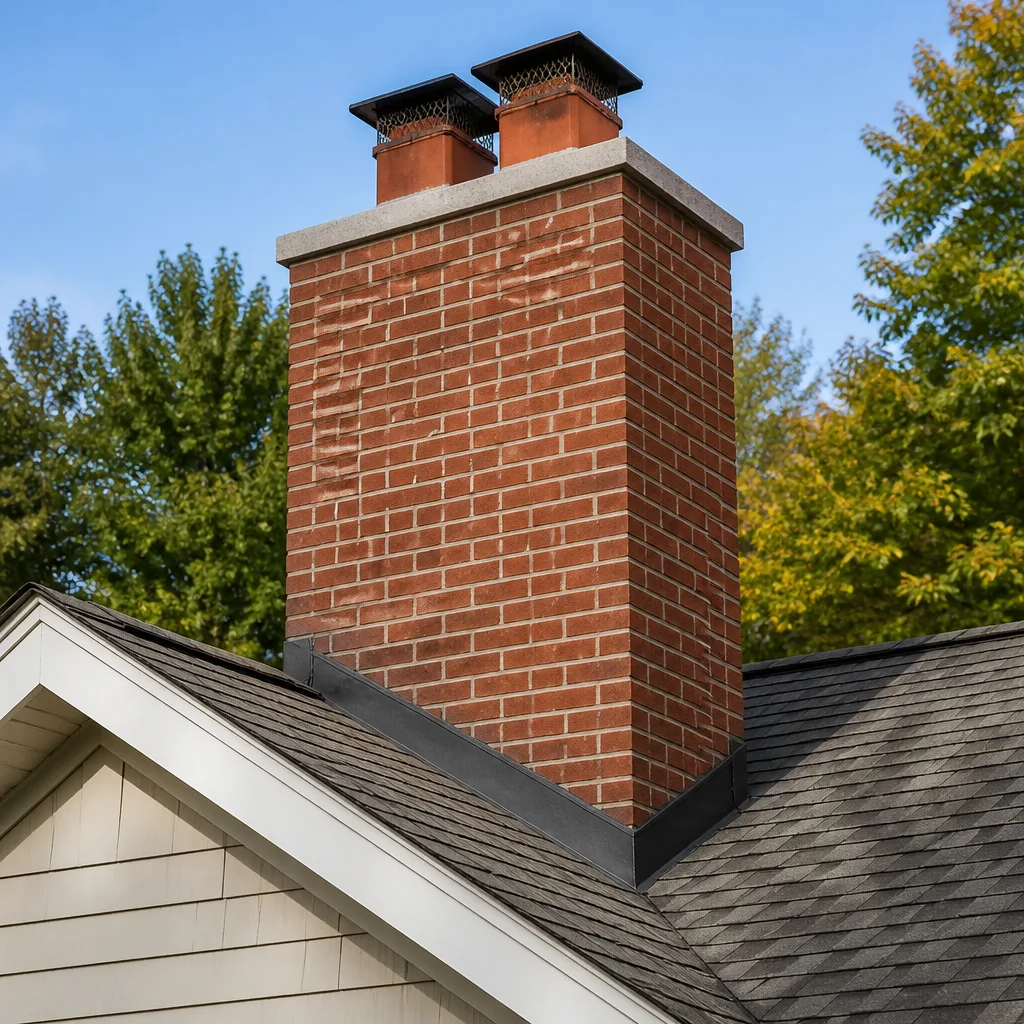 Masonry repair
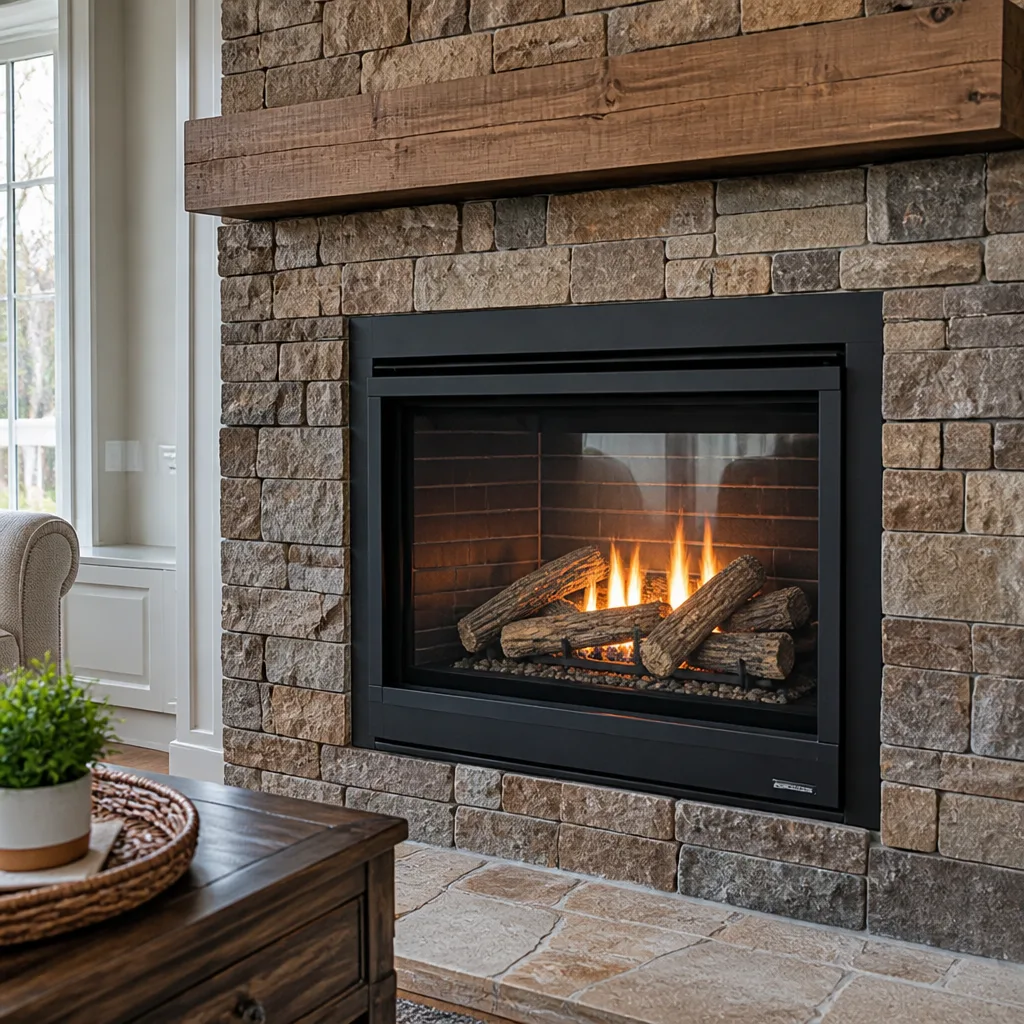 Gas fireplace service
Level 1 sweep and inspection to the NFPA 211 annual standard - flue, crown, cap, and flashing checked and photographed
Chimney sweep logs do not sweep chimneys. They loosen some creosote - which then falls where a brush and vacuum still have to collect it.
Seasonal Chimney Cleaning Care for Brockton: Year-Round Homeowner’s Guide
Most homeowners treat chimney care as one appointment on the calendar, usually squeezed in around the first cold snap. That single-event approach is exactly how slow damage hides in plain sight. A cap that cracked in a February freeze sits open to spring rain for months before anyone climbs up to look. Water reaches the mortar joints, the joints soften, and a small repair quietly becomes a big one. Chimney care in Brockton works better as four seasonal windows than as one annual chore, because each season brings different weather, different risks, and different things worth checking. This guide walks through all four, tells you what to look at and when, and explains how to time a sweep so findings get fixed before they matter.
Styles & brands we work with
- Sweep & inspection
- Caps & crowns
- Flue relining
- Masonry repair
- Gas fireplace service
Quick Answer
Year-round chimney care in Brockton follows four seasons, each with its own job. Spring is for inspecting what winter damaged: caps, flashing, and brick faces. Summer is the best time to book your sweep, when the flue is dry and there’s time to handle anything found. Fall is for testing the damper, confirming the cap and spark arrestor are intact, and doing a final creosote check before the first fire. Winter is for monitoring how the chimney behaves while it’s in use and knowing when to stop burning.
Table of Contents
- Why Chimney Care Is a Four-Season Job in Brockton
- Spring: Reading What Winter Left Behind
- Summer: The Case for a July or August Sweep
- Fall: The Pre-Season Checklist
- Winter: What to Watch While You’re Burning
- Water, Freeze-Thaw, and the New England Chimney
- Sweeping Versus Inspection: What Each One Catches
- A Simple Year-Round Chimney Calendar
- Common Mistakes to Avoid
- When to Call a Professional
- Frequently Asked Questions
- The Bottom Line
Why Chimney Care Is a Four-Season Job in Brockton
A chimney is an outdoor structure bolted to your house, and it takes the full New England weather cycle every year. In Brockton, that means humid summers, wet autumns, hard freezes, and repeated thaw cycles through late winter and early spring. Masonry doesn’t fail from one big event. It fails from water getting in and freezing, expanding, and thawing again, hundreds of times. Each cycle pries brick faces and mortar joints a little further apart.
Treating chimney care as an annual event means you’re checking once and guessing the other eleven months. Splitting it into seasons changes the job from “clean the flue” to “keep the whole system sound.” We think of it in four windows:
- Spring: find and stop what winter broke.
- Summer: clean, inspect, and repair while conditions are dry.
- Fall: verify everything works before the first fire.
- Winter: watch how the chimney behaves in active use.
Each one has a specific purpose, and skipping any of them leaves a gap. The spring check catches water intrusion early. The summer sweep clears the flue when it’s dry. The fall checklist confirms the system before you rely on it. The winter watch catches problems in real time, while the chimney is hot. Put together, they’re the difference between a chimney you maintain and a chimney you react to.
Spring: Reading What Winter Left Behind
Spring is inspection season, not because the chimney needs cleaning but because winter has just finished testing it. The freeze-thaw cycle is the hardest thing a masonry chimney goes through, and by March or April the damage is visible if you know where to look. This is the window where a cracked cap or a lifted flashing gets caught before months of spring rain push water deeper into the structure.
Here’s what’s worth looking at, from the ground and from inside:
- The cap. Look up at the crown of the chimney. Is the cap still square and level? A cap that’s tilted, cracked, or missing a corner is letting water straight into the flue.
- The flashing. This is the metal where the chimney meets the roof. Lifted or separated flashing is a common winter failure and a direct path for water into the attic.
- Brick faces. Spalling is when a brick face flakes or peels away. It shows up most on the side that takes the weather. Spalled brick means water is already inside the masonry.
- Mortar joints. Run a finger along a joint if you can reach it. Crumbly, sandy mortar is a sign the joint has given up.
- The firebox and smoke chamber. After a winter of burning, look for loose firebrick, cracked mortar, or soot falling down into the firebox.
- Storm debris. Branches, leaves, and grit end up on the roof and in the firebox after a windy spring. Clear what you can safely reach from the ground.
What you’re looking for this season is evidence, not guesses. A qualified chimney sweep will put a camera down the flue and hand you a photo report, so you can see what the flue looks like rather than take someone’s word for it. Anything that shows up in spring has time to be scheduled and fixed in summer, and that timing matters more than most homeowners realize.
Summer: The Case for a July or August Sweep
Summer is the best season to schedule your chimney sweep, and it’s the one most people skip. Demand for chimney work sits at its lowest in July and August, which means scheduling is easier and the work itself is more straightforward. Summer heat also means the flue is dry. Creosote that’s been sitting all winter has had weeks to harden and stabilize, and a dry flue is cleaner to sweep and easier to inspect than one that’s seen recent burning.
There’s a second reason summer is the right time: it gives you room to fix what the sweep finds. A sweep in October that turns up cracked mortar or a failing liner forces a scramble before the first cold night. The same finding in July means you can plan the repair, understand the materials, and have the work done without pressure. In our experience, homeowners who sweep in summer almost always have a calmer fall.
What a summer service visit should include:
- A sweep of the flue, sized and cleaned for your chimney’s construction.
- A visual inspection of the firebox, smoke chamber, damper, and flue.
- A camera inspection of the flue’s interior, with photos you keep.
- A written summary of anything found, with the option to schedule repair.
We handle all three of those under one visit: sweep, inspect, and, when something’s found, repair. That means a single call covers diagnosis and resolution, without handing your chimney off to a second contractor partway through. When a liner does need replacing, we install DuraFlex flexible flue liner systems, a professional-grade relining product. When the flue’s interior needs resurfacing rather than replacement, we apply HeatShield, a specialist chimney resurfacing system. Both are products you can look up and research before we touch anything. A chimney that only gets cleaned and never inspected is a chimney with a blind spot, and summer is the season to close it.
Fall: The Pre-Season Checklist
Fall is the season for confirming the chimney works before you need it, not after. The priorities shift from finding damage to verifying function. By the time the first genuinely cold night arrives, you want to know the damper opens and closes cleanly, the flue is clear, and the cap is intact. This is a short list of checks, and most of them are visual.
Run through this before the first fire of the season:
- Test the damper. Open and close it fully. It should move smoothly through its full range and sit flush when closed. A damper that sticks or won’t close all the way is losing heat all winter.
- Confirm the spark arrestor. The mesh screen on top of the cap keeps embers and leaves out. Check that it’s intact and not clogged before leaf season fills it.
- Do a final creosote assessment. If the flue hasn’t been swept, this is the last chance to check before the burning season, and creosote buildup is the reason chimneys need sweeping at all.
- Look at the cap once more. A cap that survived spring can still have loosened over the summer storms. Confirm it’s still seated and the animals haven’t gotten in.
- Check for nesting or animal activity. Fall is when birds and small animals look for shelter. A flue with a nest in it will smoke into the room.
- Test the smoke path. Light a small piece of paper in the firebox and watch where the smoke goes. It should draft up the flue, not drift into the room.
Brockton sits in a part of Massachusetts where leaves come down heavily and early. The cap and its spark arrestor take the brunt of that, which is why checking it in fall matters more than checking it in June. Gelco and Famco both make caps and venting components, and a cap that’s damaged or the wrong size for the flue does nothing useful. If your fall walk-through turns up a problem, the repair should happen before the first fire, not after.
Winter: What to Watch While You’re Burning
Winter chimney care is about observation, not maintenance. The chimney is in active use, so the work shifts to noticing how it behaves. Smoke where it shouldn’t be, smells that weren’t there in October, or sounds you don’t recognize are all information. Catching any of these early prevents a much bigger repair, and some of them are reasons to stop burning immediately.
Things worth monitoring through the heating season:
- Smoke rollout. If smoke drifts into the room when you open the firebox door, the draft has changed. This is often a sign of a partial blockage or a damper issue, and it means stop using the fireplace until someone looks at it.
- New odors. A strong creosote smell, or the smell of smoke in a room that isn’t the fireplace room, is worth checking right away.
- Unusual sounds. Popping, rumbling, or a whooshing draft sounds different from normal fire noise. If you hear something you don’t recognize, close the damper and stop burning.
- The “glow” at the top of the flue. If you can see a glow or shimmer at the top of the chimney from outside, that’s a possible chimney fire. Stop using the fireplace and call the fire department.
- Visible smoke inside the house. Smoke that doesn’t clear suggests backdraft or a blockage. Stop using the fireplace and have it inspected.
- Creosote buildup. A flue that’s been burning steadily for months may be building creosote. If you skipped the fall check, this is why it matters.
The rule of thumb is simple: anything that changes how the chimney behaves while it’s in use is a reason to stop using it and get it looked at. The cost of an inspection is minor compared to the cost of a chimney fire, and a carbon monoxide detector on the same floor as the fireplace is a cheap addition that buys real peace of mind. Your flue is a life-safety system, and winter is when it earns that description. When the season ends, the spring inspection is the next step in the cycle.
Water, Freeze-Thaw, and the New England Chimney
The single biggest enemy of a chimney in this part of Massachusetts is water, and it acts slowly. Rain gets into a cracked cap, a lifted flashing, or a joint with failed mortar. Then the temperature drops, the water freezes and expands, and the crack gets bigger. Then it thaws, more water gets in, and the cycle repeats. Over a single winter this can take a sound-looking joint and turn it crumbly.
Brockton sits in a humid pocket of southeastern Massachusetts, which makes moisture management a bigger deal here than in drier inland towns. Summers hold humidity that keeps masonry damp. Fall brings heavy rain. Winter does the freezing. Spring thaw finishes the job. Every part of the chimney that faces weather is in line for this progression, from the crown to the flashing to the brick faces themselves.
The practical implications for a Brockton homeowner:
- Inspect the cap and flashing every spring. These are the two most common entry points for water.
- Watch for spalling brick faces. A brick face that peels is brick that’s absorbed water and frozen.
- Pay attention to the mortar joints. Crumbly joints are the next stage after water ingress.
- Address small repairs before winter. A jump that costs little to repair in September can become a structural issue after one hard freeze.
When water damage has reached the inner surfaces of the flue, resurfacing may be the right repair rather than replacement. We use HeatShield products for chimney resurfacing, and it addresses structural flue restoration beyond surface cleaning. If the flue has failed more seriously, DuraFlex liner systems handle full relining work. Both are situations where the repair decision should follow camera evidence you can see for yourself, not a sales pitch. If the damage can safely wait until spring, you should be told that honestly.
Sweeping Versus Inspection: What Each One Catches
Sweeping and inspection aren’t the same visit, and they catch different problems. A sweep cleans the flue. An inspection assesses its condition. You need both, and they belong in different seasons. Sweeping is best done in summer when the flue is dry and demand is low. Inspection is best done in spring, when the winter’s damage is fresh, and again in fall, before the season starts.
Here’s the split:
- A sweep catches: creosote buildup, soot accumulation, and loose debris in the flue. It’s a cleaning job and it keeps the flue flowing.
- An inspection catches: cracked masonry, failing mortar joints, liner damage, cap and flashing problems, and blockages from animals or storm debris. It’s a diagnostic job and it tells you what’s wrong.
Most homeowners need a sweep once a year, or more often if they burn heavily. Inspection needs to happen at least once a year, but the timing matters. A spring inspection catches what winter did. A fall inspection confirms the system before you rely on it. Both are worth doing, and they’re cheap compared to the alternatives. For a full understanding of what chimney repair looks like when an inspection does turn up something, our repair page walks through the common cases.
In our experience, the biggest gap isn’t homeowners who skip the sweep, it’s homeowners who get swept but never inspected. A clean flue can sit inside a damaged chimney. The sweep leaves it clean and the inspection is what finds the damage. Do both, and time them to the seasons.
A Simple Year-Round Chimney Calendar
Here’s a schedule that covers all four seasons without asking you to remember anything complicated. The idea is to front-load the work in spring and summer, when you have time and options, and to keep winter light.
- March to April: spring inspection. Check the cap, flashing, brick faces, mortar joints, and firebox. This is the window to catch winter damage before water gets in deeper.
- May: review findings and plan repairs. Anything the spring inspection found should be scheduled now. Repairs have time to happen before the flue is needed.
- July to August: sweep. Summer is the best time for a sweep. The flue is dry, demand is low, and the season is quiet enough to handle anything found.
- September: repair window. If the summer sweep found damage, September is the time to fix it. Repair work is easier before the weather turns.
- October: pre-season check. Test the damper, confirm the spark arrestor, do a final creosote assessment, and check for nesting. This is the last check before the first fire.
- November to February: monitor. Watch for smoke rollout, new odors, unusual sounds, or a glow at the flue top. Stop using the fireplace if any of these appear.
That’s the whole cycle. If you only do one thing this year, do the fall check before the first fire. If you do two, add the summer sweep. If you do all four, you’re ahead of most homeowners in Brockton, and your chimney will show it at the next inspection. We offer residential chimney services only, and we don’t handle HVAC, roofing, or general contracting, so the four-season focus here is genuinely just chimney care.
Common Mistakes to Avoid
- Treating the sweep as the whole job. A sweep cleans the flue but doesn’t assess it. The inspection is what finds the damage. Skipping it means the flue stays clean inside a chimney that may be failing.
- Waiting until the first cold week to book. Fall is the busiest season for chimney work, and a problem found in October is a scramble to fix. Summer scheduling gives you time to plan and repair.
- Ignoring the cap. The cap is the most common entry point for water and the easiest thing to check. A cracked or missing cap does nothing useful and lets rain straight in.
- Burning with a partial blockage. Smoke rollout into the room is a sign the draft has changed. It’s not something to burn through. Stop using the fireplace and get it looked at.
- Assuming a clean flue means a healthy chimney. The flue can be perfectly clean while the masonry around it has spalled brick and crumbly mortar. Cleaning and inspection are separate checks for a reason.
- Skipping the fall damper test. A damper that won’t close properly is losing heat all winter. Two minutes of testing in October prevents a season of heat loss and possibly higher carbon monoxide risk if the draft is compromised.
- Waiting for the spring thaw to notice winter damage. Late spring is the worst time to discover a cracked cap, because water has had months to work into the liner and mortar. The spring inspection is what catches it earlier.
When to Call a Professional
Some chimney problems are worth watching and some need a call. Anything involving smoke inside the room, a strong new smell, a glow or shimmer at the top of the flue, or a chimney that hasn’t been inspected in over a year is worth calling about. A fireplace that smells smoky even when it isn’t in use is another reason to call. If you can see loose brick, crumbly mortar, or a damaged cap, that’s a repair call. And if you’ve just bought a house in Brockton and don’t know when the chimney was last looked at, the first call is for an inspection.
Chimney Sweep Brockton offers free estimates in Brockton. Call (877) 704-4074. We answer 24/7. Fast dispatch from 7am to 7pm, Sunday through Friday. The estimate sets the price for the job, and the schedule is set by the written estimate rather than a fee. Nothing is recommended without camera evidence you can see for yourself, and if a repair can safely wait until spring, we’ll tell you that too.
Frequently Asked Questions
Once a year for most homeowners, and more often if you burn heavily through the winter. A chimney sweep clears creosote buildup, and the right frequency depends on how much you burn, not how long it’s been since the last sweep. Call (877) 704-4074 for a specific recommendation on your chimney, and the estimate is free.
July and August. The flue is dry, demand is lowest of the year, and any findings can be repaired with time to spare before October. If you missed summer, a fall sweep works, but scheduling gets harder as the season starts. Call (877) 704-4074 to book a sweep before the busy season.
Four checks: a spring inspection for winter damage, a summer sweep while the flue is dry, a fall pre-season check of the damper and cap, and winter monitoring while the fireplace is in use. The key difference from a single annual visit is timing, since each season catches a different class of problem. Call (877) 704-4074 for a free estimate on your chimney.
Yes, and it’s the biggest cause of masonry chimney damage in this region. Water gets into a crack or mortar joint, freezes and expands, then thaws and lets more water in, which widens the crack over time. A spring inspection catches the damage early, before it reaches the liner. Call (877) 704-4074 for a free estimate on a seasonal inspection.
Stop using the fireplace and get it inspected. Smoke rollout is a sign the draft has changed, often because of a partial blockage, a damper problem, or a flue issue. Don’t keep burning to see if it clears, since a compromised draft is a carbon monoxide risk. Call (877) 704-4074 and we’ll book an inspection, with fast dispatch from 7am to 7pm, Sunday through Friday.
A visible glow or shimmer at the top of the flue, smoke that won’t clear from the room, or the smell of smoke in a part of the house nowhere near the fireplace. These are reasons to stop using the fireplace and call immediately. Call (877) 704-4074 to book an inspection. We answer 24/7. A call outside dispatch hours is booked into the next opening, Sunday through Friday, 7am to 7pm.
The Bottom Line
Chimney care in Brockton works better as four seasonal windows than as one annual appointment. Spring catches what winter broke. Summer is the right time to sweep, while the flue is dry and there’s time to fix anything found. Fall confirms everything works before the first fire. Winter is for noticing how the chimney behaves in use and knowing when to stop burning. Stack those four checks and you’ll catch small problems before they become expensive ones. Sweep. Inspect. Repair. All under one crew, with materials you can research and a camera report you can see. The flue is a life-safety system, and a seasonal calendar is the simplest way to treat it that way.
Ready to schedule? Call Chimney Sweep Brockton at (877) 704-4074 for a free estimate. We answer 24/7. Fast dispatch from 7am to 7pm, Sunday through Friday. One call covers the sweep, the inspection, and any repair the inspection turns up. You’ll know what’s going into your chimney and why, before any work starts. For more on how we work and what we do, start at Chimney Sweep Brockton.
Written by the team at Chimney Sweep Brockton.
See the difference
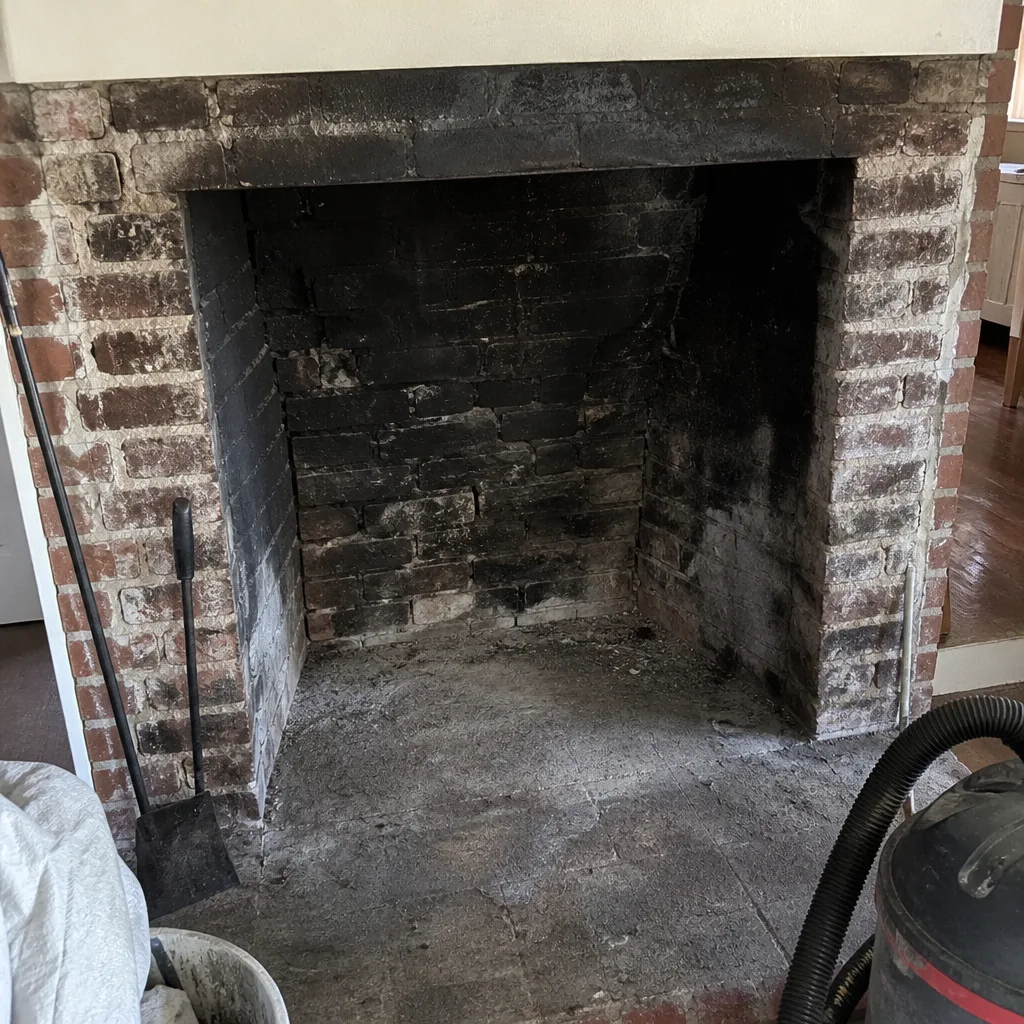 Before
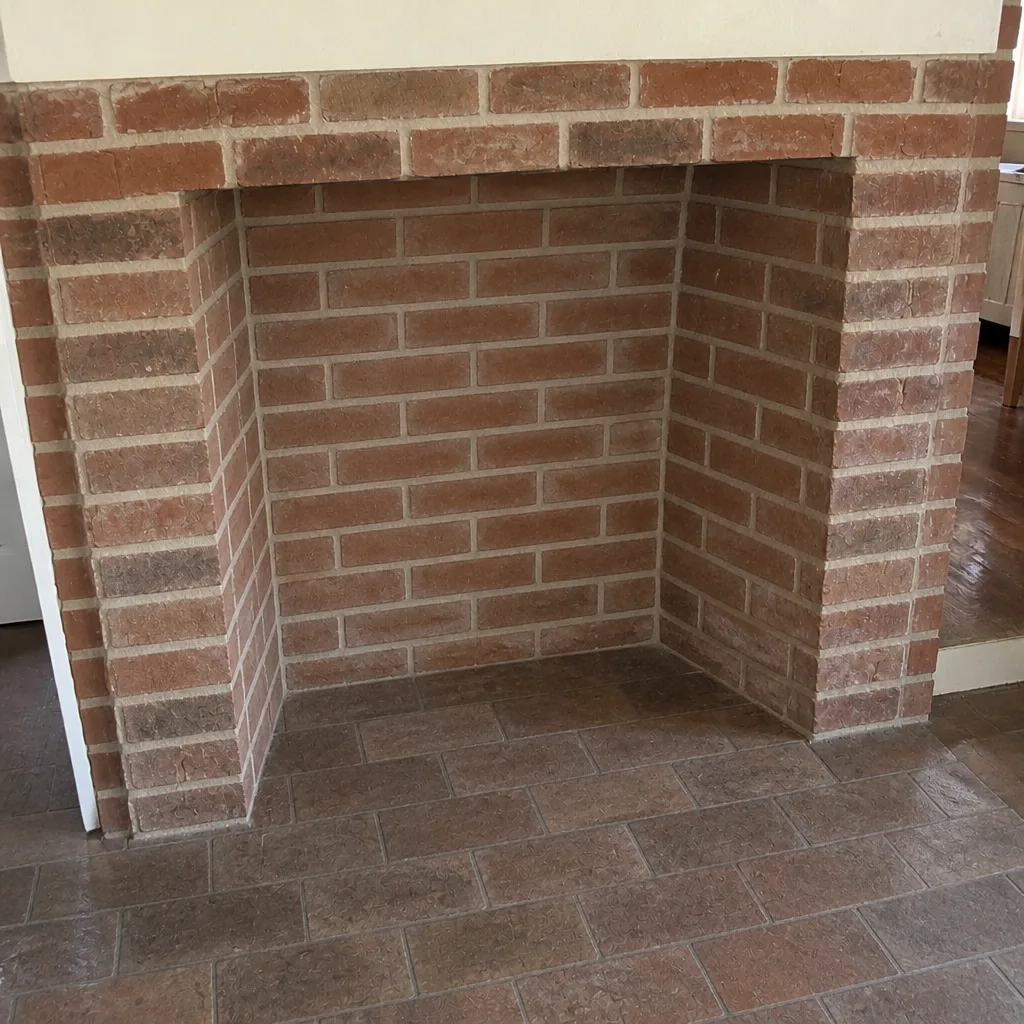 After
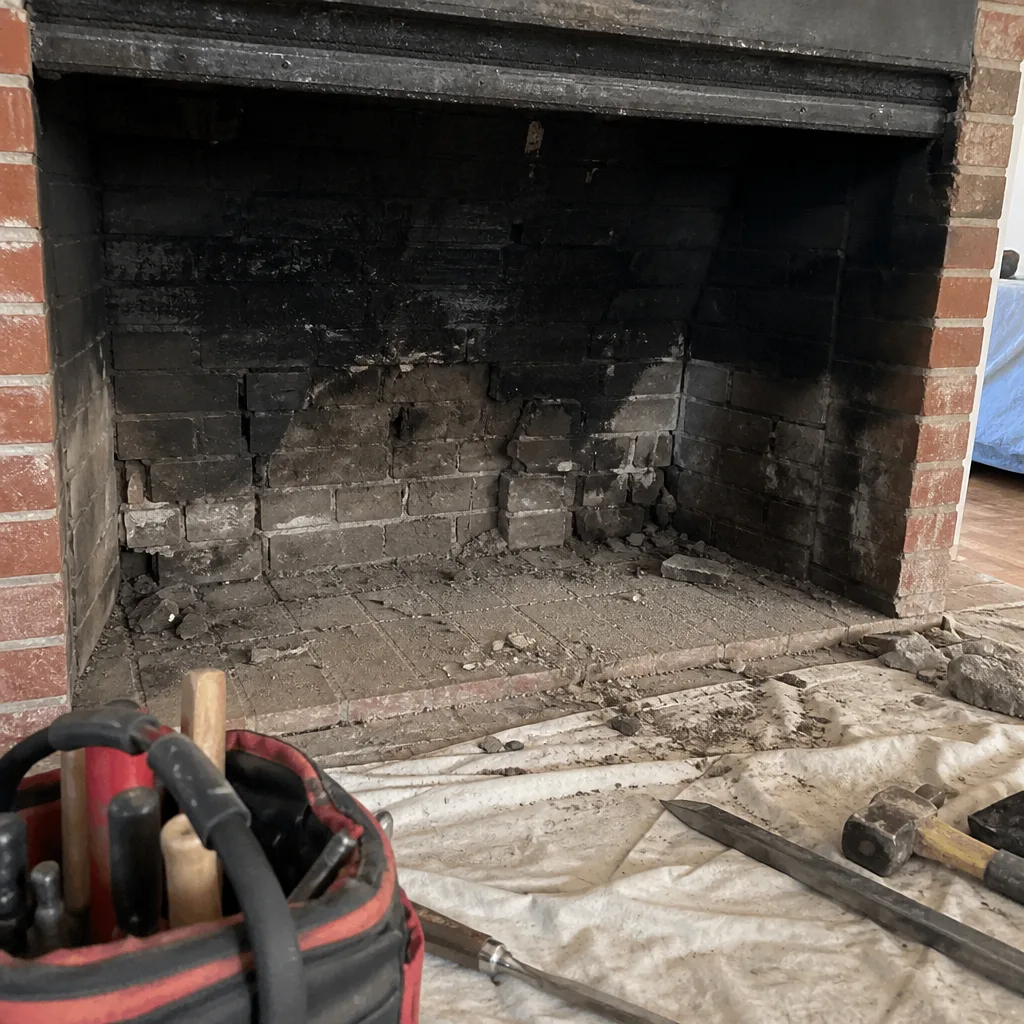 Before
 After
 Before
 After