
Last updated November 16, 2026
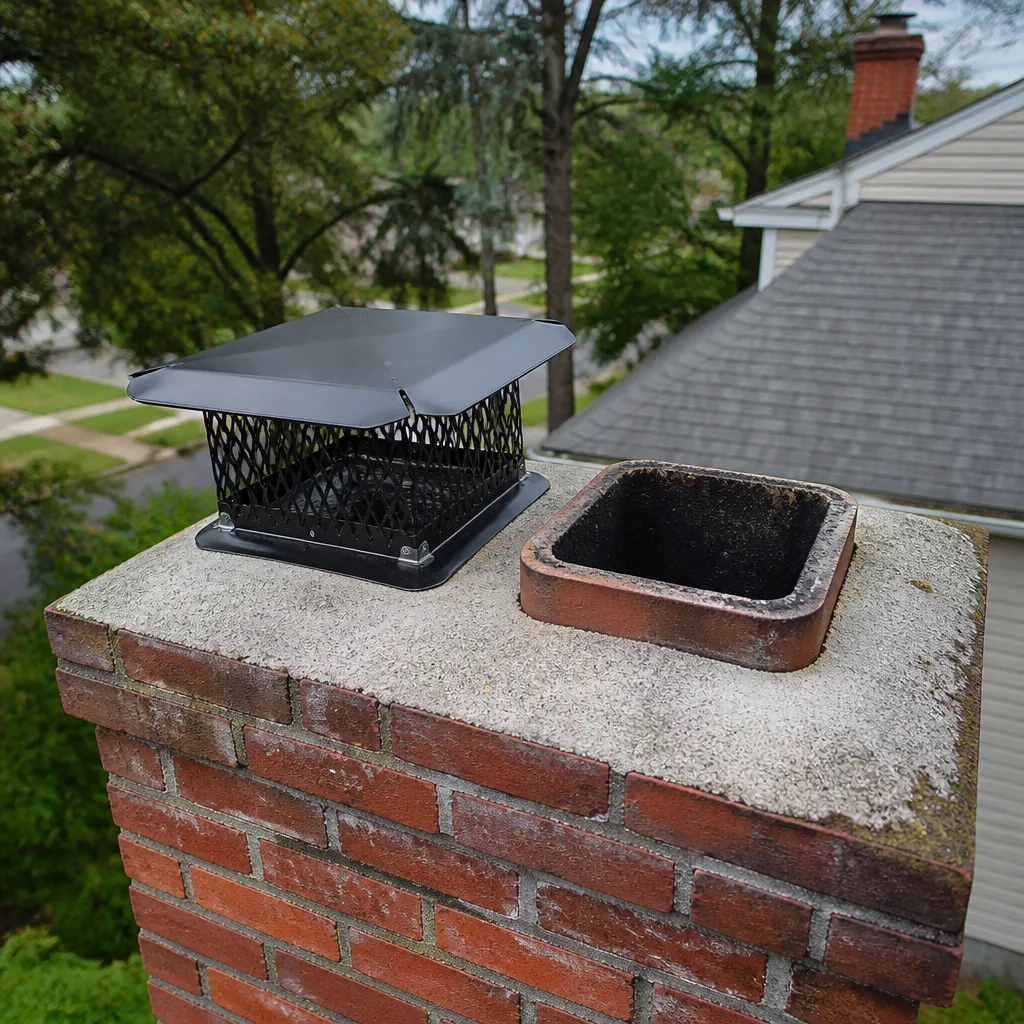 Sweep & inspection
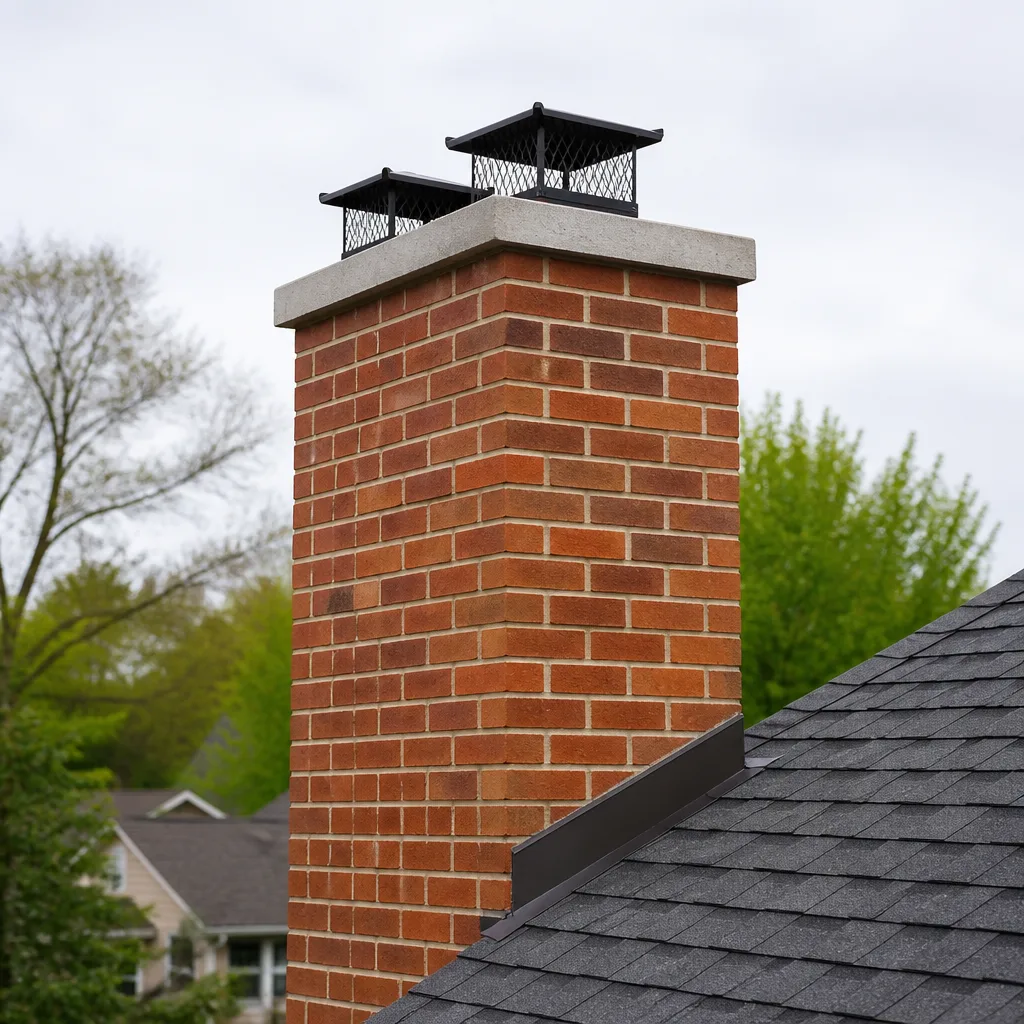 Caps & crowns
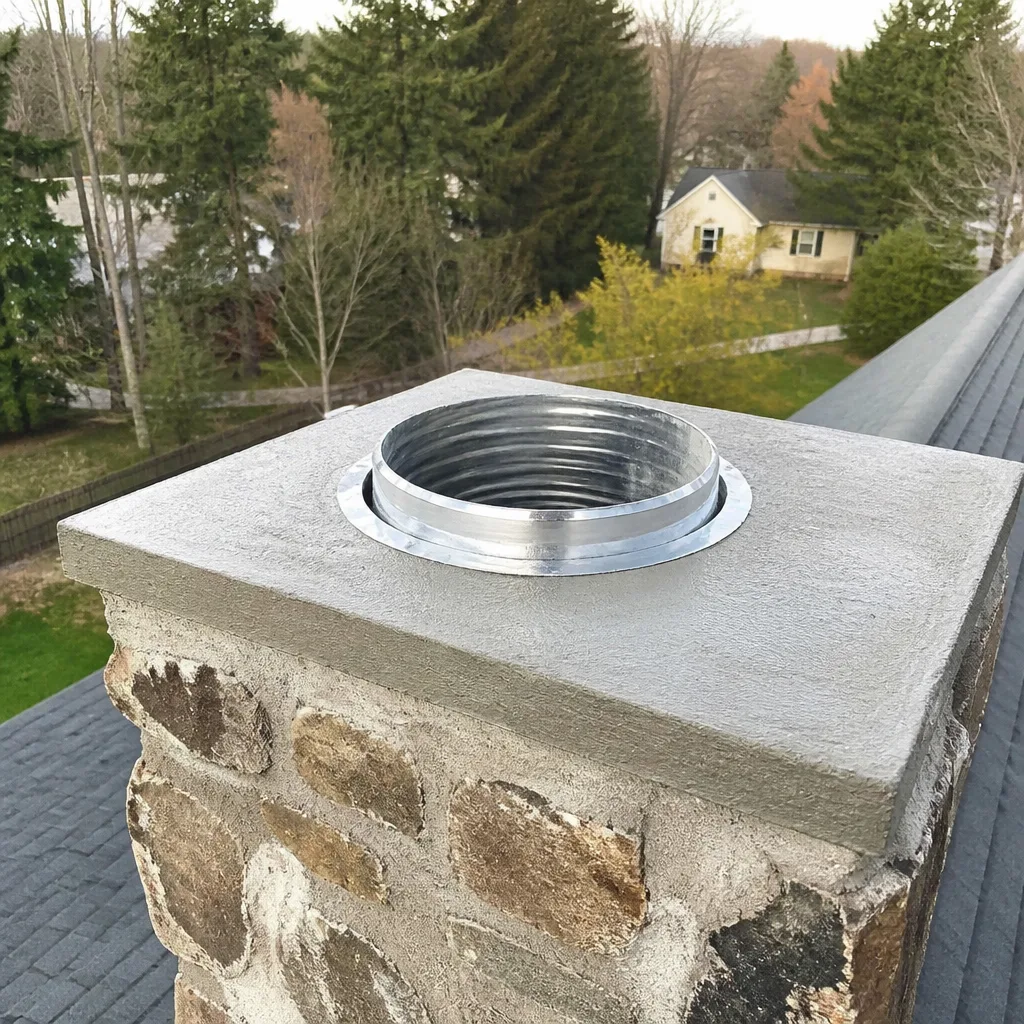 Flue relining
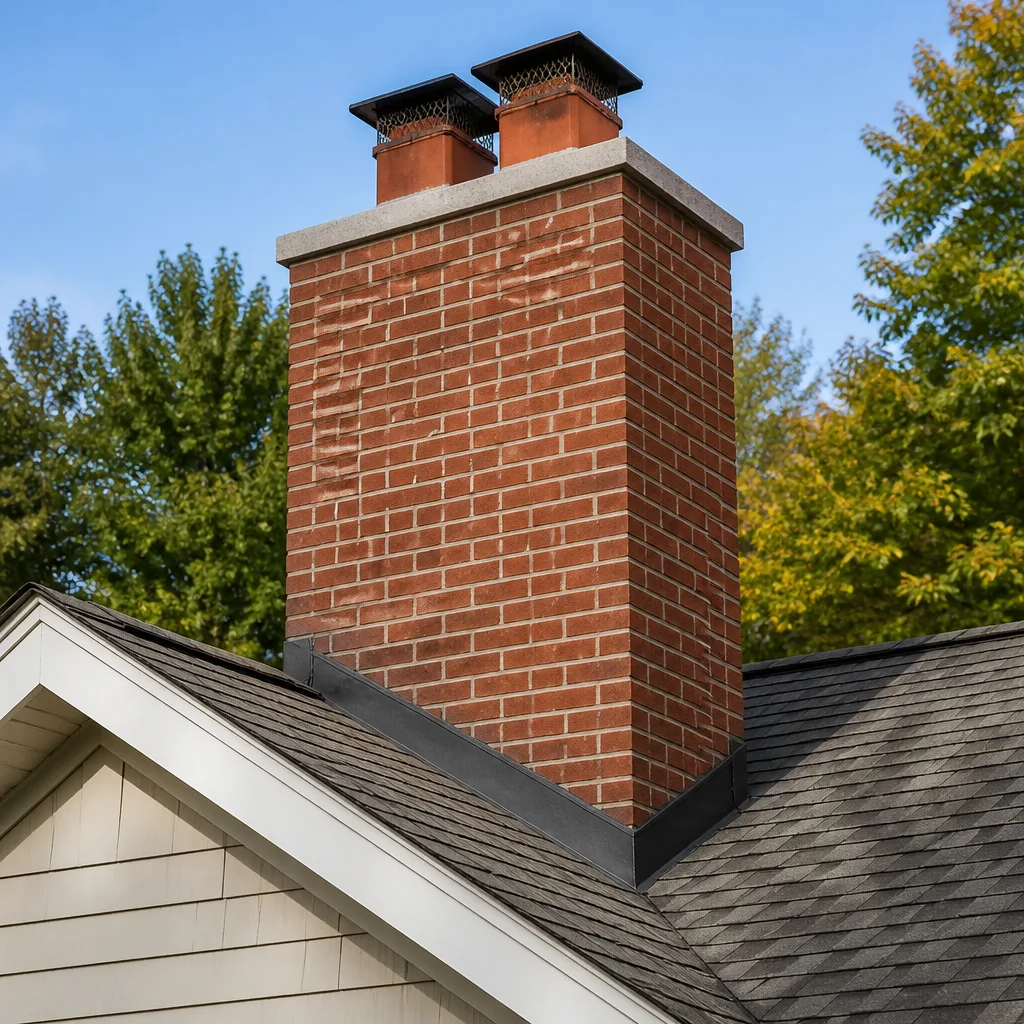 Masonry repair
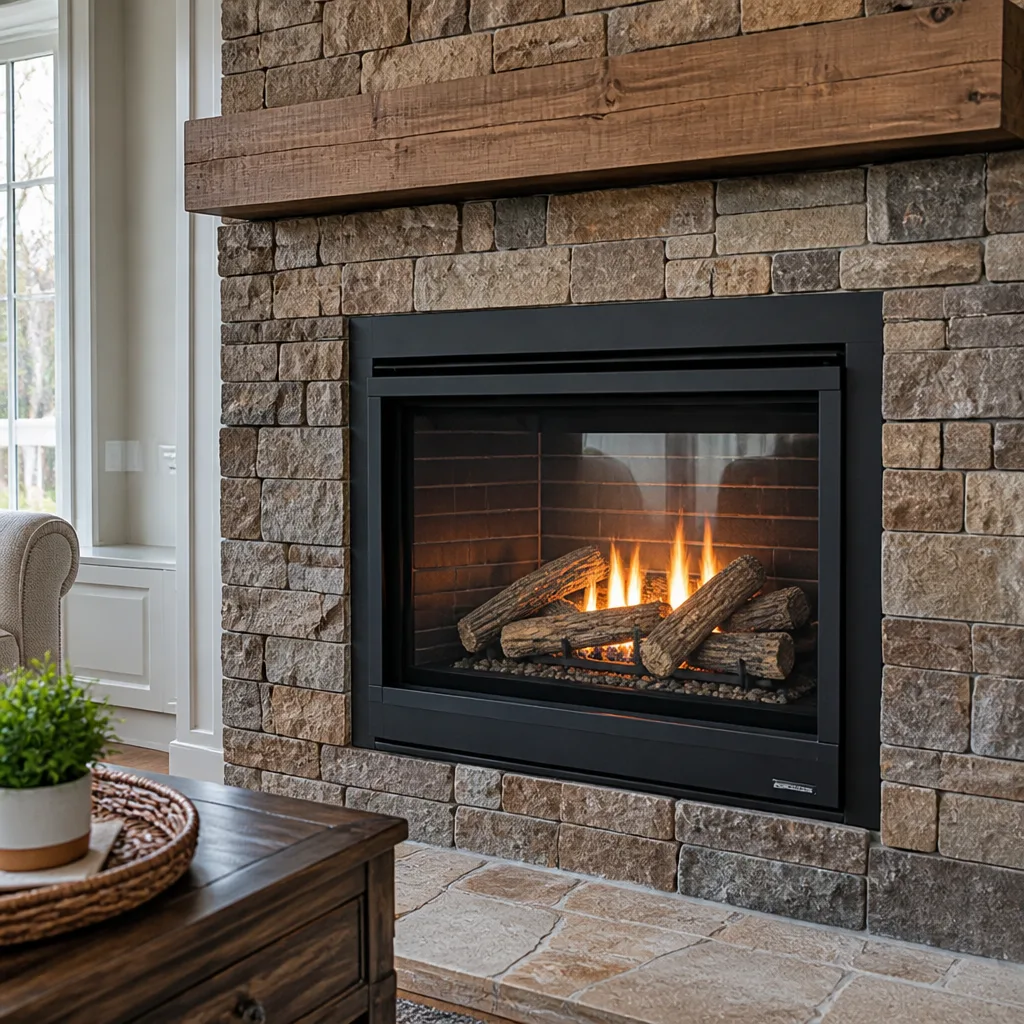 Gas fireplace service
Level 1 sweep and inspection to the NFPA 211 annual standard - flue, crown, cap, and flashing checked and photographed
Chimney sweep logs do not sweep chimneys. They loosen some creosote - which then falls where a brush and vacuum still have to collect it.
Chimney Cleaning Emergency Preparedness Guide for Brockton Homes
Most people picture a chimney fire as flames shooting out the top of the house. That’s the dramatic version. The dangerous version is quieter: a slow creosote fire that runs inside the liner for hours, cracking masonry from the inside, with the only clues being a low roar and a smell the homeowner writes off as normal combustion. By the time it’s obvious, it’s already caused damage. This guide covers the three chimney emergencies Brockton homeowners actually face, how to recognize each one, what to do in the first few minutes, and how to prepare before heating season starts. We’ll also explain why documentation before an emergency matters as much as the response during one.
Quick Answer
Chimney emergencies in Brockton fall into three categories: active chimney fire, blockage or backdraft, and carbon monoxide infiltration from a failed flue. The correct immediate response differs for each, and confusing them can waste the critical minutes. Preparation before the season – working CO detectors, a suppression kit, a documented service history, and a clean flue – is what separates a contained incident from a structural loss.
Styles & brands we work with
- Sweep & inspection
- Caps & crowns
- Flue relining
- Masonry repair
- Gas fireplace service
Table of Contents
- The Three Chimney Emergencies Brockton Homeowners Face
- How to Recognize Each Emergency Type
- Immediate Response: Step-by-Step for Each Situation
- What to Tell the Fire Department When You Call
- Pre-Season Emergency Readiness Checklist
- Post-Incident Protocol: Why a Chimney That Survived Is Still Compromised
- Documentation That Speeds Insurance Claims and Contractor Dispatch
- Common Mistakes to Avoid
- When to Call a Professional
- Frequently Asked Questions
The Three Chimney Emergencies Brockton Homeowners Face
Brockton sits in an inland part of southeastern Massachusetts with cold, wet winters and a long heating season that stretches from October into April. Homes here often rely on fireplaces and wood stoves as either primary or supplemental heat, which means more burn hours and more creosote accumulation than a house that lights a fire a few times a year. That’s the backdrop for the three emergencies that come up again and again.
An active chimney fire. This is combustion inside the flue, usually of creosote that has built up on the liner walls. It can be a roaring, visible fire or a slow, smoldering one. Either way, it reaches temperatures the masonry and liner weren’t designed to handle.
A blockage or backdraft. The flue gets obstructed by soot, a fallen cap, a bird or squirrel nest, or a collapsed liner section. Smoke that should go up instead rolls back into the room. It’s a smoke and air-quality problem more than a fire risk, but it can be a carbon monoxide risk if the appliance keeps running.
Carbon monoxide infiltration. A failed flue – cracked liner, deteriorated mortar joints, a disconnected pipe – lets combustion gases escape into the house instead of up the chimney. CO is colorless and odorless, which is why it’s the emergency most often missed until someone feels sick.
Each of these calls for a different immediate response. Treating a backdraft like a fire, or a fire like a backdraft, is one of the most common errors we see described after the fact.
How to Recognize Each Emergency Type
Recognition is the first skill. In our experience, homeowners often expect an emergency to be obvious, and the slow ones rarely are. Here’s what to watch and smell for.
Signs of an active chimney fire
- A low, rumbling roar from the chimney, or a sound like a distant train
- Popping or crackling that’s louder than normal fire noise
- Dense smoke, or smoke that changes color, coming from the top
- A sharp, hot, or chemical smell in the room
- Sparks or embers visible above the chimney cap
- The chimney pipe or surrounding wall feels unusually hot to the touch
- In a slow fire, the only signs may be a faint roar and a smell you assume is normal combustion
Signs of blockage or backdraft
- Smoke rolling back into the room when the fire is lit
- A weak or lazy draft that doesn’t pull smoke up
- A sooty smell inside the house even when no fire is burning
- Soot streaks or dark marks around the firebox opening
- Visible debris or a cap lying on the roof or in the yard
Signs of CO infiltration
- A CO detector alarming – this is your primary warning and the one to trust
- Headaches, dizziness, nausea, or fatigue that ease when you leave the house
- A stuffy, stale, or gassy smell near the appliance
- Discoloration or soot on the appliance itself
If a CO detector sounds, treat it as real. Get everyone outside and call for help before you investigate. That advice holds anywhere in Brockton, whether the alarm is in a basement near a furnace flue or in a living room beside a fireplace insert.
Immediate Response: Step-by-Step for Each Situation
The first five minutes decide how much damage a chimney emergency causes. Here’s the sequence for each type. Read these before you need them – in an emergency you shouldn’t be reading anything for the first time.
If it’s a chimney fire
- Get everyone out of the house, including pets.
- Call 911 from outside. Don’t wait to see if it “looks like it’s dying down” – slow fires can persist.
- If you haven’t left yet and it’s safe to reach, close the damper or the appliance door to cut off air to the fire. Do not fight a chimney fire yourself.
- Don’t pour water down the flue. The thermal shock can crack a liner or masonry that’s otherwise intact.
- Stay outside and wait for the fire department. Once they’ve cleared the scene, don’t relight until the chimney has been inspected.
If it’s a blockage or backdraft
- Stop using the appliance immediately. Open a window or door to clear smoke.
- If there’s no fire danger and the smoke is manageable, close the appliance door and let it go out.
- Don’t try to clear the flue yourself from the roof or firebox. Blockages often involve a cap, bird nest, or liner damage that needs eyes on it.
- Schedule an inspection before you burn again.
If it’s a CO event
- Get everyone outside into fresh air.
- Call 911 and tell them you have a CO alarm or symptoms.
- Don’t re-enter to open windows or shut off the appliance until responders say it’s safe.
- Once cleared, the appliance and flue need inspection before they’re used again.
Notice that none of these steps asks you to diagnose or repair anything. The job of a homeowner in the first five minutes is to protect people, limit air and fuel to a fire if it’s safe, and hand off to trained professionals.
What to Tell the Fire Department When You Call
Dispatchers need specific information that most homeowners don’t think to provide. Giving it clearly can speed the response and help the crew arrive prepared. When you call about a chimney fire, have these ready:
- Your exact address and any access notes – long driveway, gate code, uneven stairs. Brockton’s neighborhoods range from dense street grids to more spread-out lots, and the crew wants to find you fast.
- The type of chimney – masonry or factory-built metal. This tells the crew what they’re dealing with.
- What the appliance is – a fireplace, wood stove, insert, or a furnace flue. Be specific; a furnace flue emergency is treated differently than a fireplace one.
- What you’ve observed – roaring sound, smoke color, flames visible above the cap, a hot wall, or just a smell.
- Whether anyone is still inside or has symptoms.
- Whether the fire is contained to the chimney or has spread to a wall, attic, or roof.
- Whether you’ve closed the damper or appliance door.
Stay on the line until the dispatcher releases you. Answer questions directly – dispatchers are trained to sort this out, and “I’m not sure” is fine when it’s true. Don’t speculate about causes. Leave that to the investigation.
Pre-Season Emergency Readiness Checklist
This is the part most homeowners skip, and it’s the part that matters most. A chimney emergency handled well still rests on preparation you did months ago. Here’s the checklist we’d put on a Brockton homeowner’s refrigerator before the first cold snap.
- Test every CO detector in the house. Press the test button and replace batteries as needed. Placement matters: a CO detector belongs on every level of the home and near sleeping areas, not just in the same room as the appliance. If you have a fireplace insert in a finished basement, put a detector in the adjacent living space, not inside the utility closet.
- Confirm a smoke detector on each floor and in the attic if you have one accessible.
- Get the chimney swept before the first fire. A clean flue is the single best protection against a chimney fire. This is a booked service, not an emergency call – schedule it in early fall before heating season starts.
- Book an inspection alongside the sweep. The sweep removes creosote; the inspection tells you what state the liner and masonry are in. Both are needed, and doing them together keeps the story of your chimney consistent over the years.
- Assemble a chimney fire suppression kit and keep it near the fireplace. A working extinguisher rated for the fire types you might face, a bucket of dry sand or a chimney-fire suppressant product, and a flashlight are a reasonable basic kit. Store it where an adult can reach it, not where children or pets can.
- Learn your emergency shutdown procedure. Know where the damper handle is and how it moves when the fire is off. Know how to close the appliance door on a wood stove or insert. Practice it once in daylight so you’re not learning it while a fire is lit.
- Check the chimney cap and the exterior. Look from the ground for a missing cap, a leaning stack, or cracked mortar. A cap keeps birds, squirrels, and rain out – which is a lot of what fills a flue between seasons.
- Note your last inspection date and service history in a folder or on your phone. You’ll want it if you ever have to call an insurer or a contractor in a hurry.
Worth noting for Brockton homeowners specifically: a long heating season means more burn cycles and more creosote loading than a mild-winter household. If your fireplace is a primary heat source, get on a regular sweep schedule rather than waiting for a problem.
Post-Incident Protocol: Why a Chimney That Survived Is Still Compromised
A chimney fire that goes out on its own is not a chimney that’s fine. This is the point almost no one expects. The intense heat of a chimney fire can crack a clay liner, break mortar joints, warp a metal liner, and loosen a cap – and none of that is visible from inside the house. The fire “going out” simply means the fuel ran out.
Our standard is that any chimney that has had a suspected fire must be treated as structurally compromised until a Level 2 inspection has been completed. That’s not a scare tactic. It’s the only responsible position a chimney professional can take. A crack in a liner that lets combustion gases leak into a wall cavity can cause a hidden fire. A gap in the flue can deliver CO into a bedroom without a sound.
What a Level 2 inspection involves depends on the flue, but generally it means a scope camera run through the appliance connections and the flue itself, an examination of accessible portions of the chimney exterior and interior, and a written report with photos. The homeowner should receive the findings, not just a verdict. If a repair is needed, you should be able to see what prompted it.
This is where documented materials matter. If we know the liner in your chimney is a DuraFlex flexible flue liner system installed by a previous company and documented in your records, we know what to look for and what a repair will involve. If the history is blank, the inspection has more ground to cover. Either way, the answer comes from what the camera shows, not from what anyone assumes.
Documentation That Speeds Insurance Claims and Contractor Dispatch
In the hours after a chimney emergency, two things move faster when you have documents on hand: the insurance claim and the contractor’s ability to plan the repair. Here’s what to have ready.
Service records
- Date of last sweep and last inspection
- Any report issued after the inspection, with photos if available
- Notes on any prior repair – what was done and when
Liner and material records
If your liner is a known system – DuraFlex, for example, or a resurfaced flue done with HeatShield – get the documentation. Knowing the materials means an insurer can process the loss against a known product, and a contractor can order the right components without guesswork. When a repair is being planned, we source chimney components from Olympia Chimney and Copperfield, so having the product history in hand shortens the path from inspection to a written estimate.
Photos and condition notes
- Recent photos of the firebox, cap, and visible exterior
- Any moisture or staining you’ve noticed
- Your CO detector test dates
An accessible, organized file
Keep the file where you can reach it without power or a working phone data connection – a paper folder in a drawer near the kitchen is fine. In an emergency you may be outside with a dead phone or a house you can’t enter for hours. A physical record you can hand an insurer or a contractor the next morning solves a problem most people don’t anticipate.
If you don’t have any of this yet, start with a sweep and an inspection. A chimney sweep comes with a report, and that report becomes the foundation of everything you document afterward. The same holds across the region – homeowners in Brockton who keep a clean, current file are the ones who move through a post-fire insurance process with the fewest delays.
Common Mistakes to Avoid
These come up over and over, and each one either wastes time in an emergency or creates a new risk.
- Pouring water down a burning flue. It seems obvious in the moment, but water on a hot liner can cause a crack that wasn’t there before.
- Relighting after a suspected chimney fire without an inspection. A chimney that survived a fire is compromised until proven otherwise. Give it the Level 2 inspection before the next burn.
- Assuming a quiet fire is a safe fire. Slow-burning creosote fires don’t announce themselves. If you hear a low roar or smell something chemical, treat it as real.
- Placing a CO detector only in the same room as the appliance. Put one on every level and near sleeping areas. A CO event in a basement flue can reach an upstairs bedroom.
- Skipping the sweep because “we didn’t burn much last year.” In Brockton’s long heating season, a few weeks of regular evening fires builds real creosote. The frequency recommended by your sweep depends on the flue and how you burn.
- Hiring a general handyman for a chimney repair. Chimney work involves the flue liner, the cap, the crown, the firebox, and the venting – a handyman operation may cover one of those and not the rest. Our work is limited to chimney repair, inspection, and sweeping, and that focus is why we can stand behind it.
- Not keeping service records. If you can’t tell an insurer what liner you have and when it was installed, the claim takes longer and the contractor starts from zero. Keep the file.
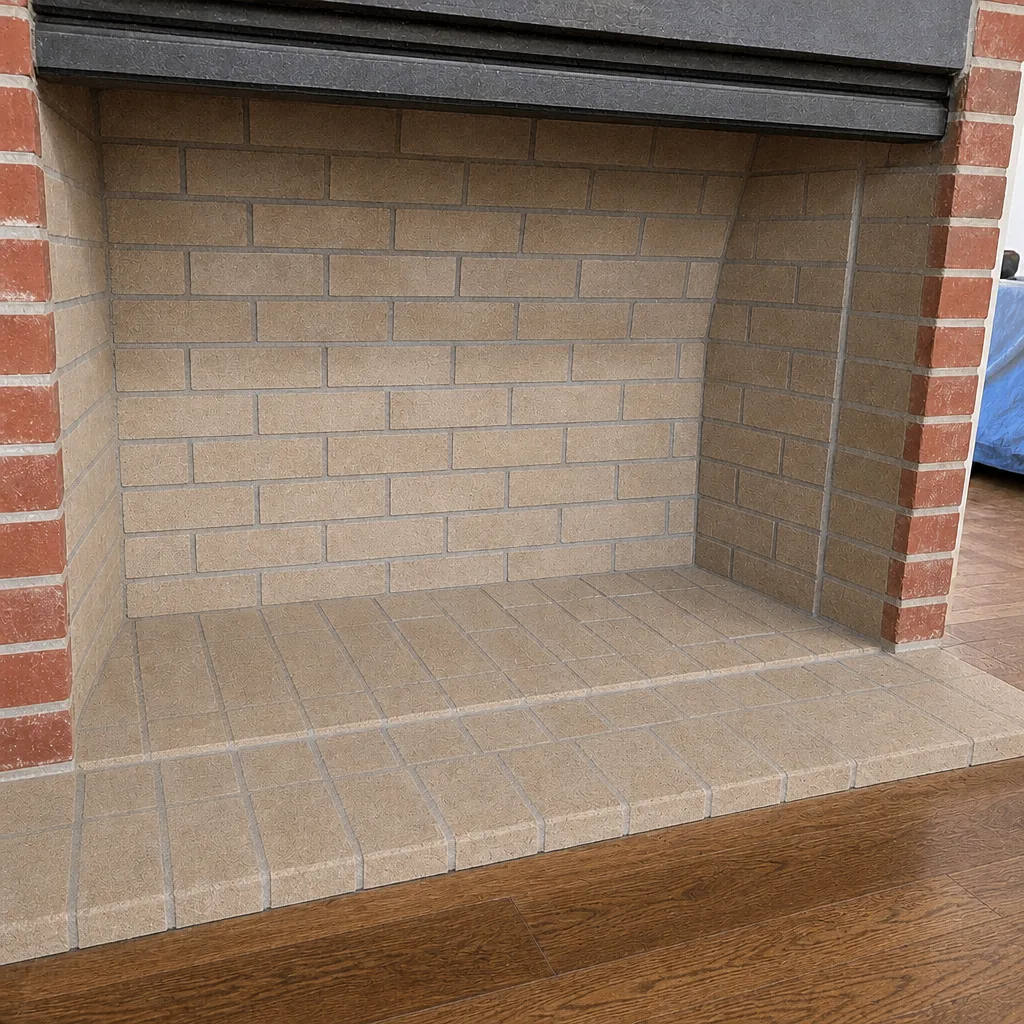
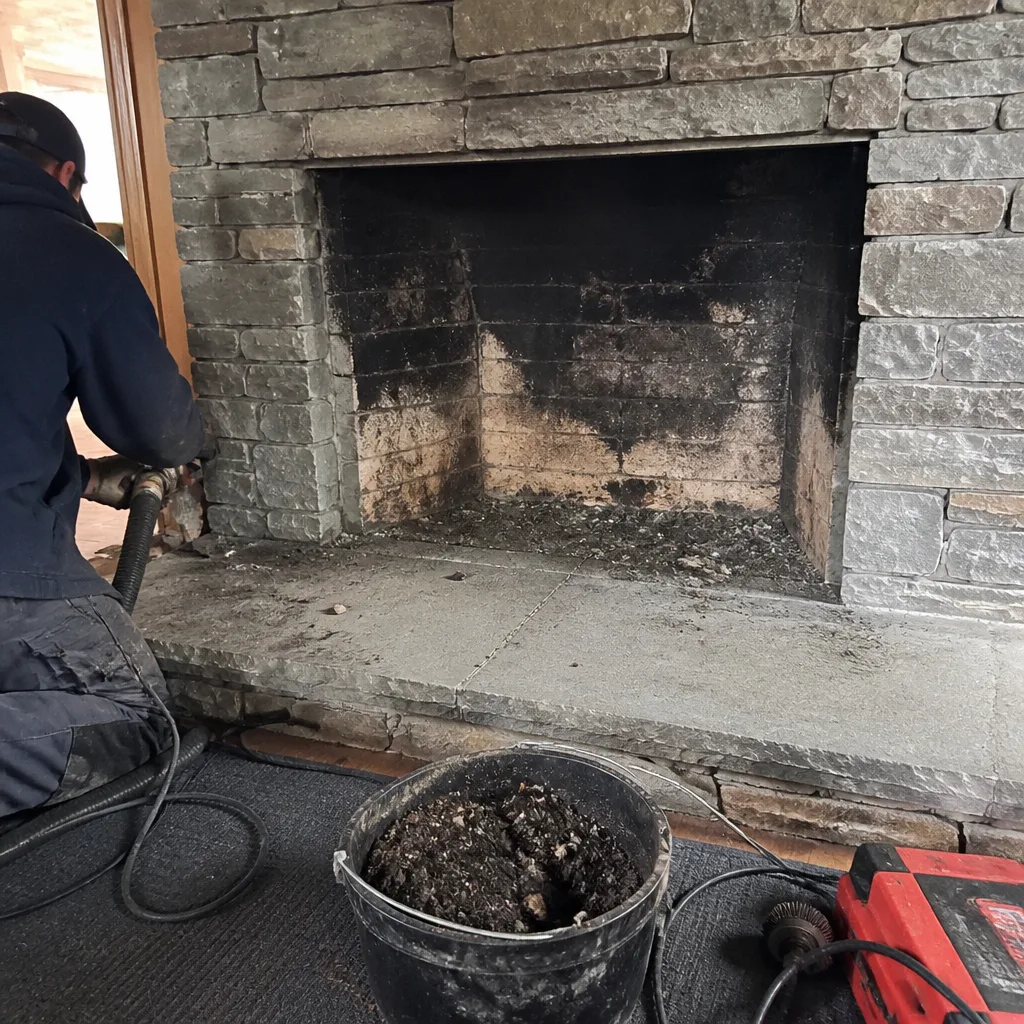
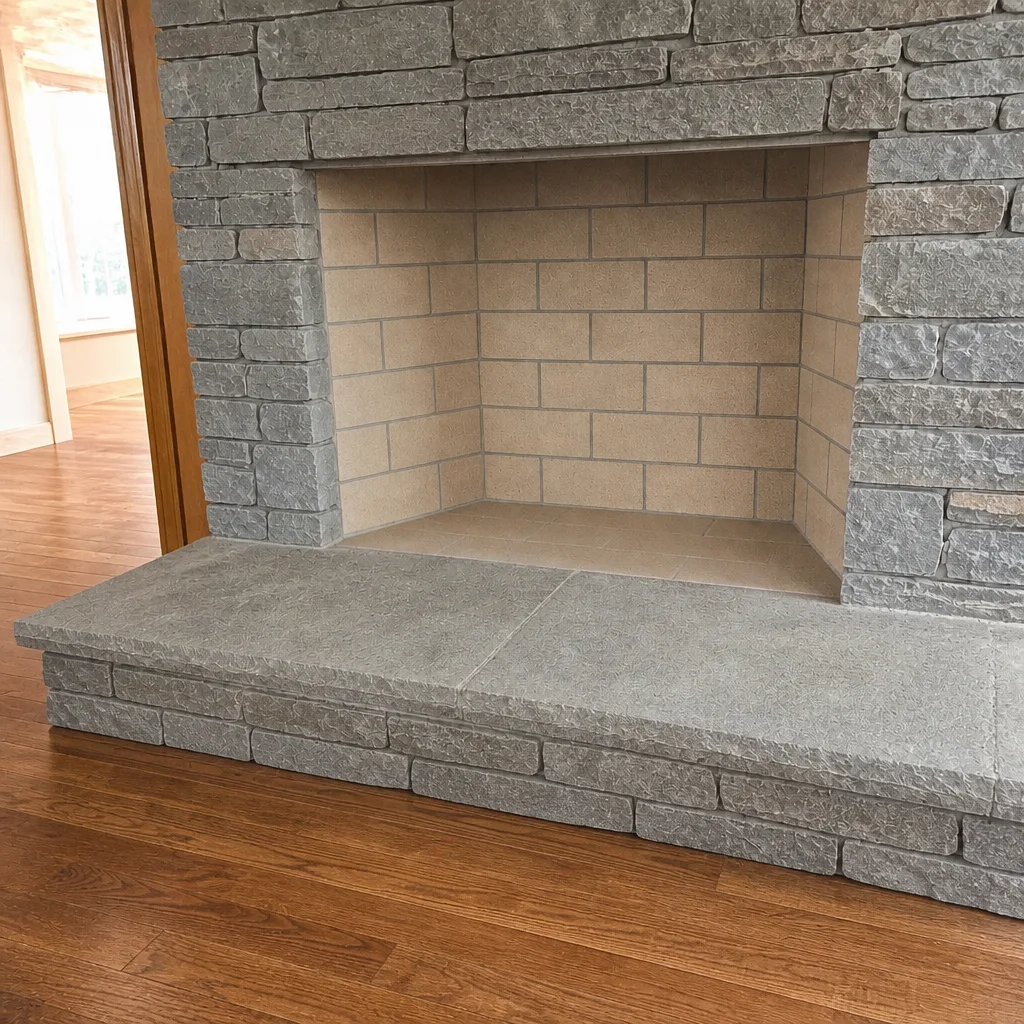
See the difference
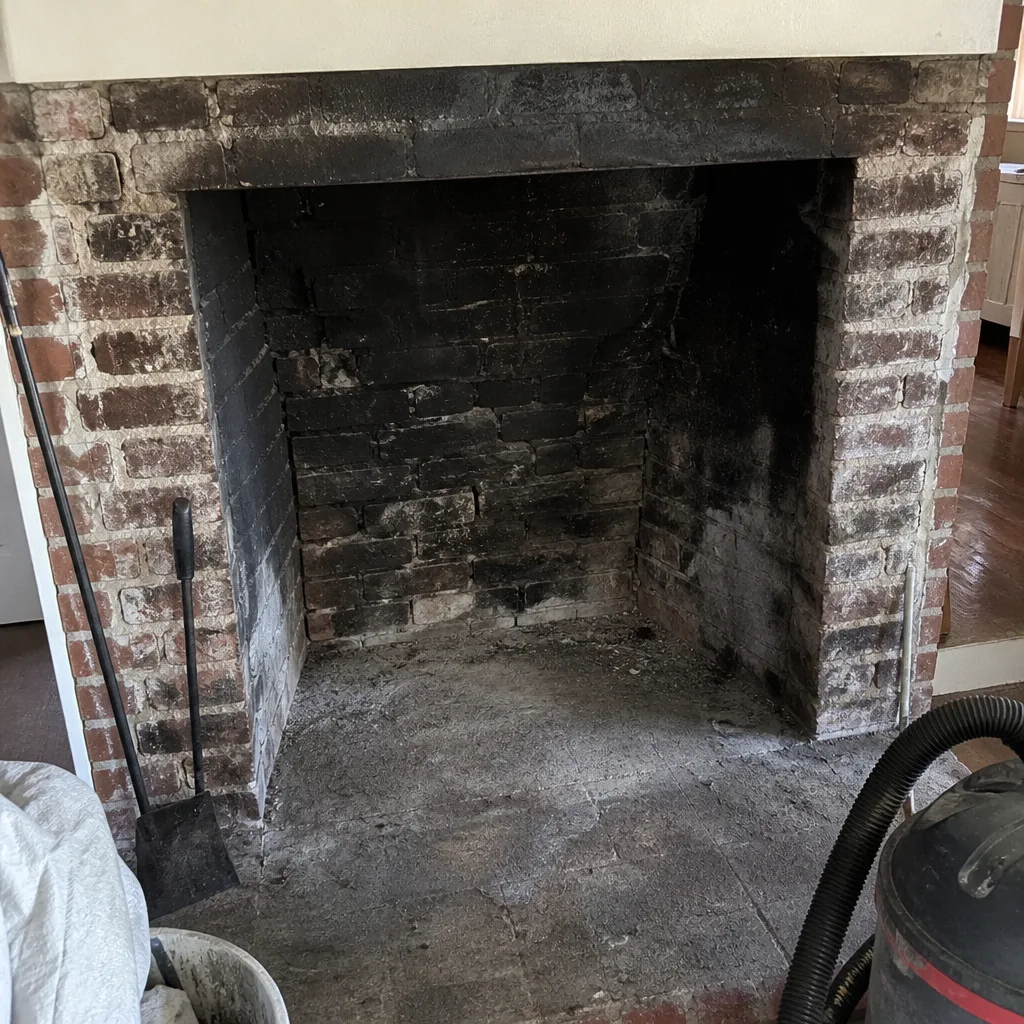 Before
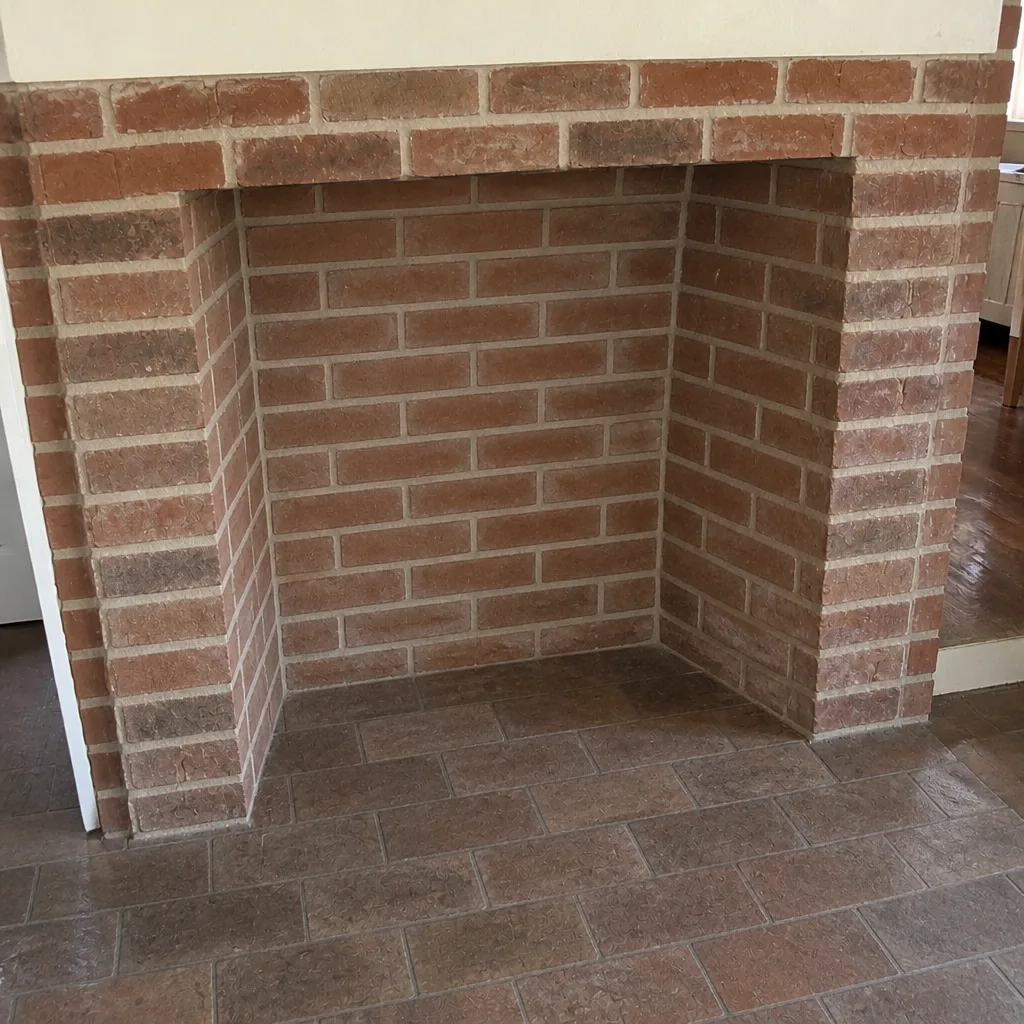 After
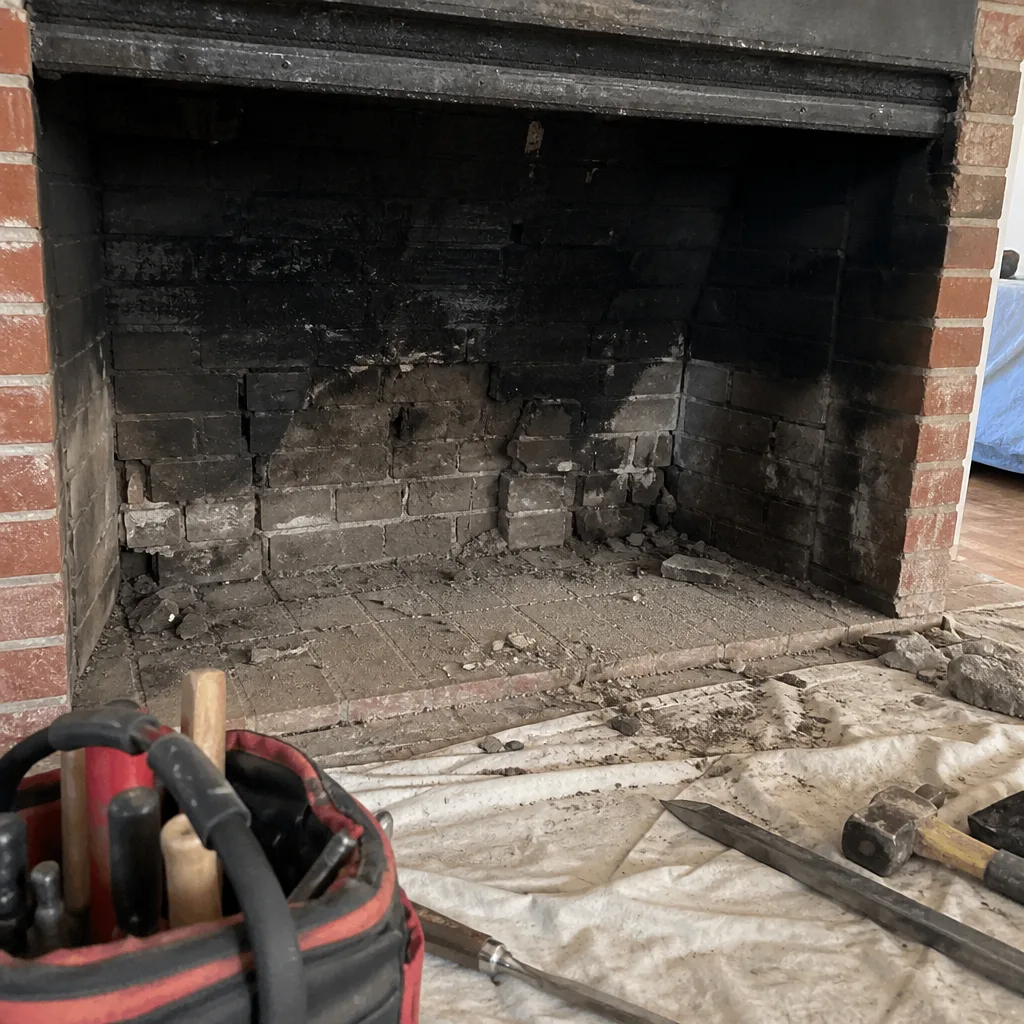 Before
 After
 Before
 After
When to Call a Professional
Some situations are clear – a fire, a CO alarm, smoke rolling into the room. Others are quieter. Call a professional if you smell soot in the house when no fire is burning, if the draft feels weak or lazy, if you’ve had a suspected chimney fire in the past year, if your last inspection was more than a year ago and you burn regularly, or if you’ve never had the flue looked at since moving in. Each of these points to something a camera and a trained eye can find. A clean pre-season sweep plus an inspection is the single most useful thing a Brockton homeowner can do before winter. Chimney Sweep Brockton offers free estimates in Brockton – call (877) 704-4074. We answer 24/7. Fast dispatch from 7am to 7pm, Sunday through Friday.
Frequently Asked Questions
Most flues should be swept once a year when they’re used regularly, and more often if you burn heavily or burn unseasoned wood. In Brockton’s long heating season, a fireplace that runs most evenings can build creosote faster than the once-a-year schedule suggests. Your sweep can tell you the right interval after seeing the flue. Call (877) 704-4074 to book a pre-season sweep – estimates are free.
Not always, but you can’t know without a Level 2 inspection. Some fires leave a liner intact; others crack it in ways that aren’t visible without a camera. The decision should come from what the inspection shows, not from a guess. We don’t recommend a liner replacement without photo evidence you can see for yourself. Call (877) 704-4074 to schedule an inspection – estimates are free.
The flue carries more creosote into the season, which raises the chance of a chimney fire and makes one harder to control if it starts. It also means a blockage or a failing liner has more time to go unnoticed. The sweep is the cheapest protection you’ll buy all year. Call (877) 704-4074 to book one – estimates are free.
A chimney sweep is priced per job by a written estimate, and the estimate is free. The exact figure depends on the flue, the appliance, and whether an inspection is added. We don’t quote over the phone without seeing the setup, because the price should reflect the actual work. Call (877) 704-4074 for a free estimate.
Yes. A slow-burning creosote fire can run for hours and go out on its own, and still crack the liner, damage mortar, or warp a metal flue. The fire going out is not the same as the chimney being safe. Any chimney that has had a suspected fire needs a Level 2 inspection before it’s used again. Call (877) 704-4074 to book one – estimates are free.
Get everyone outside and call 911. CO is colorless and odorless, so a detector alarm is the warning – trust it and don’t investigate first. Once responders clear the scene, the appliance and flue need inspection before they’re used again. Call (877) 704-4074 to schedule the inspection – estimates are free.
We can work with your insurer. The inspection report, photos, and material records we produce are what an insurer needs to process a claim, and having them ready speeds the process. Call (877) 704-4074 to talk through your situation – estimates are free.
We work with recognized industry brands including DuraFlex, HeatShield, Olympia Chimney, Copperfield, Famco, and Gelco, depending on the job. We name the brands we use – look them up. Knowing exactly what’s going into your chimney is the point. Call (877) 704-4074 to discuss a repair – estimates are free.
The Bottom Line
Chimney emergencies in Brockton follow predictable patterns, and the difference between a contained incident and a structural loss is usually preparation, not luck. Test your CO detectors, keep a suppression kit near the fireplace, learn your damper shutdown, and get the flue swept and inspected before heating season starts. If a fire does happen, get out, call 911, and treat the chimney as compromised until a Level 2 inspection says otherwise. Keep your documentation current – it’s what makes an insurance claim move and a repair plan come together. Sweep. Inspect. Repair. All under one crew.
Contact
If you’re getting ready for the heating season or you’re not sure what state your chimney is in, call Chimney Sweep Brockton at (877) 704-4074 for a free estimate. We answer 24/7. Fast dispatch from 7am to 7pm, Sunday through Friday. Whether you need a routine sweep, an inspection, or a repair with materials you can verify, one call covers it – and nothing gets recommended without evidence you can see.
Written by the team at Chimney Sweep Brockton.