
Last updated November 16, 2026
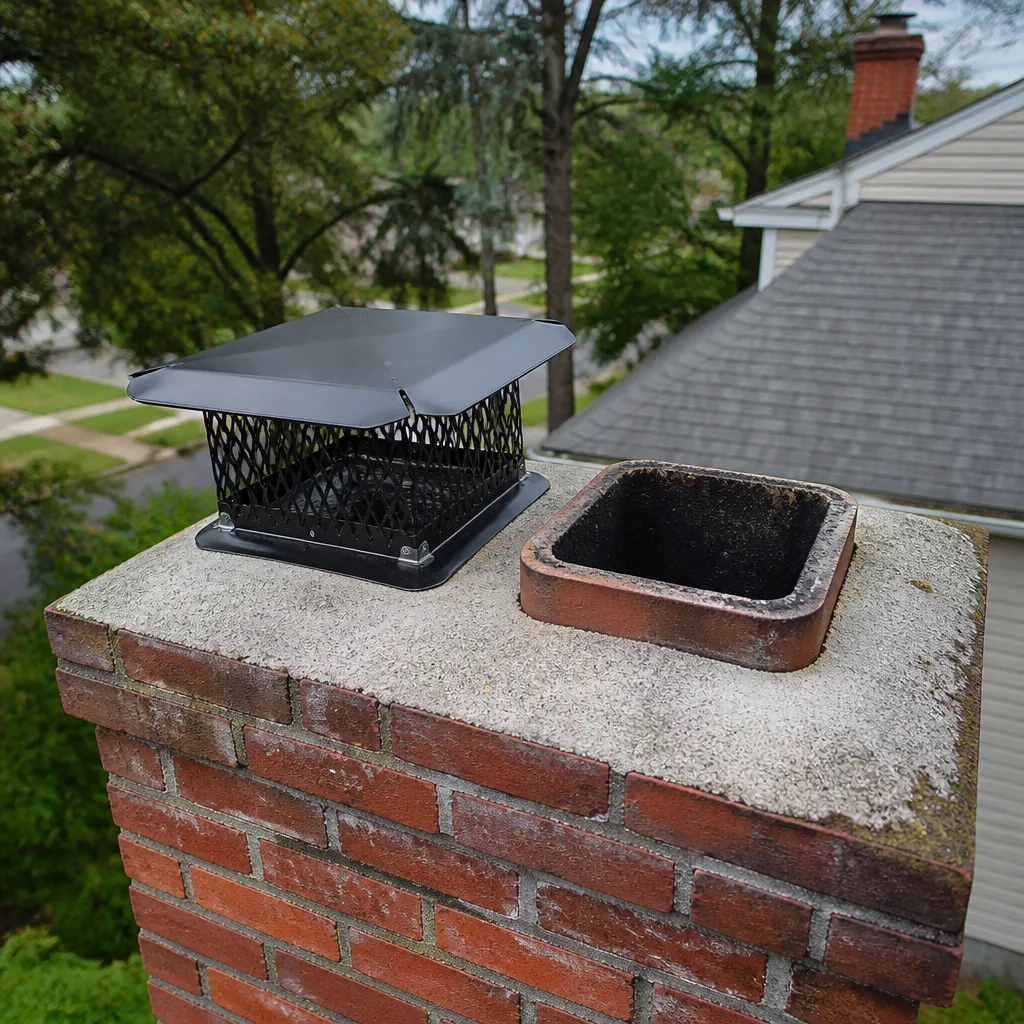 Sweep & inspection
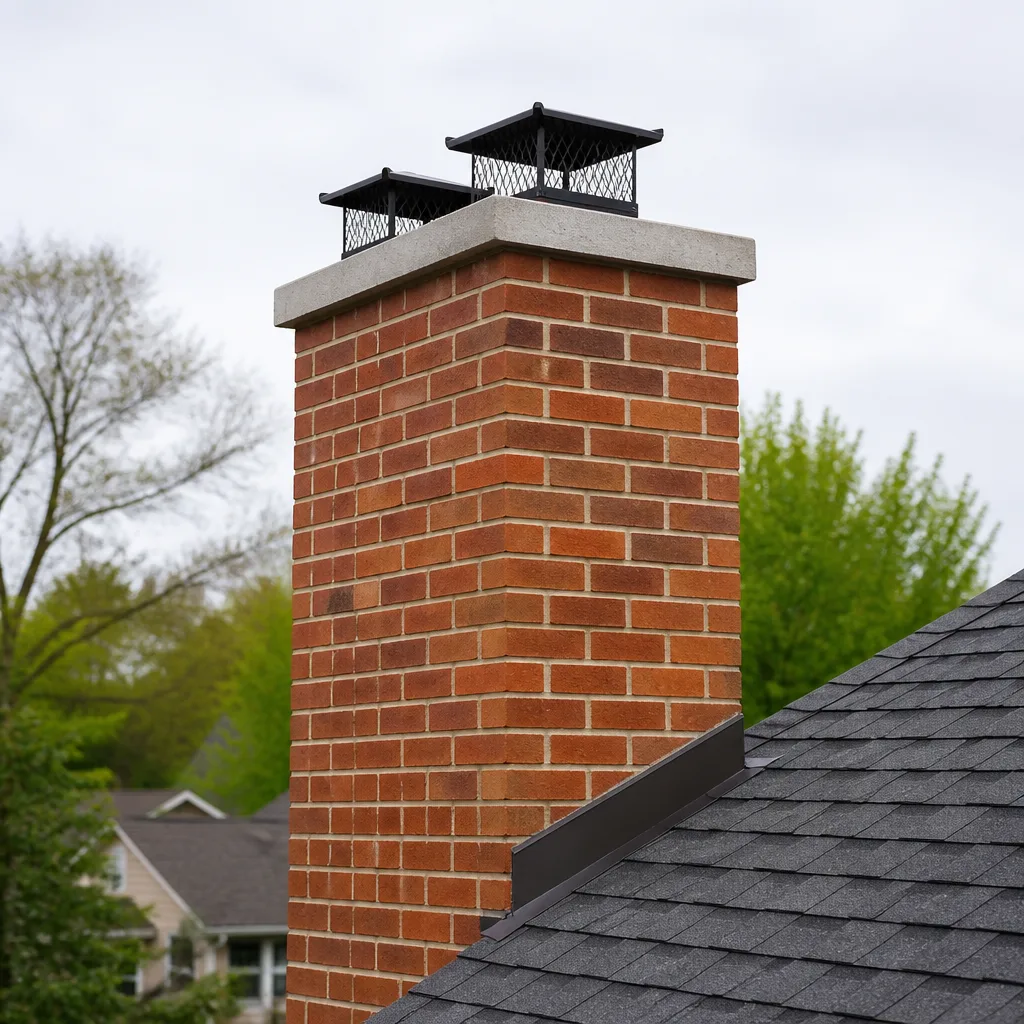 Caps & crowns
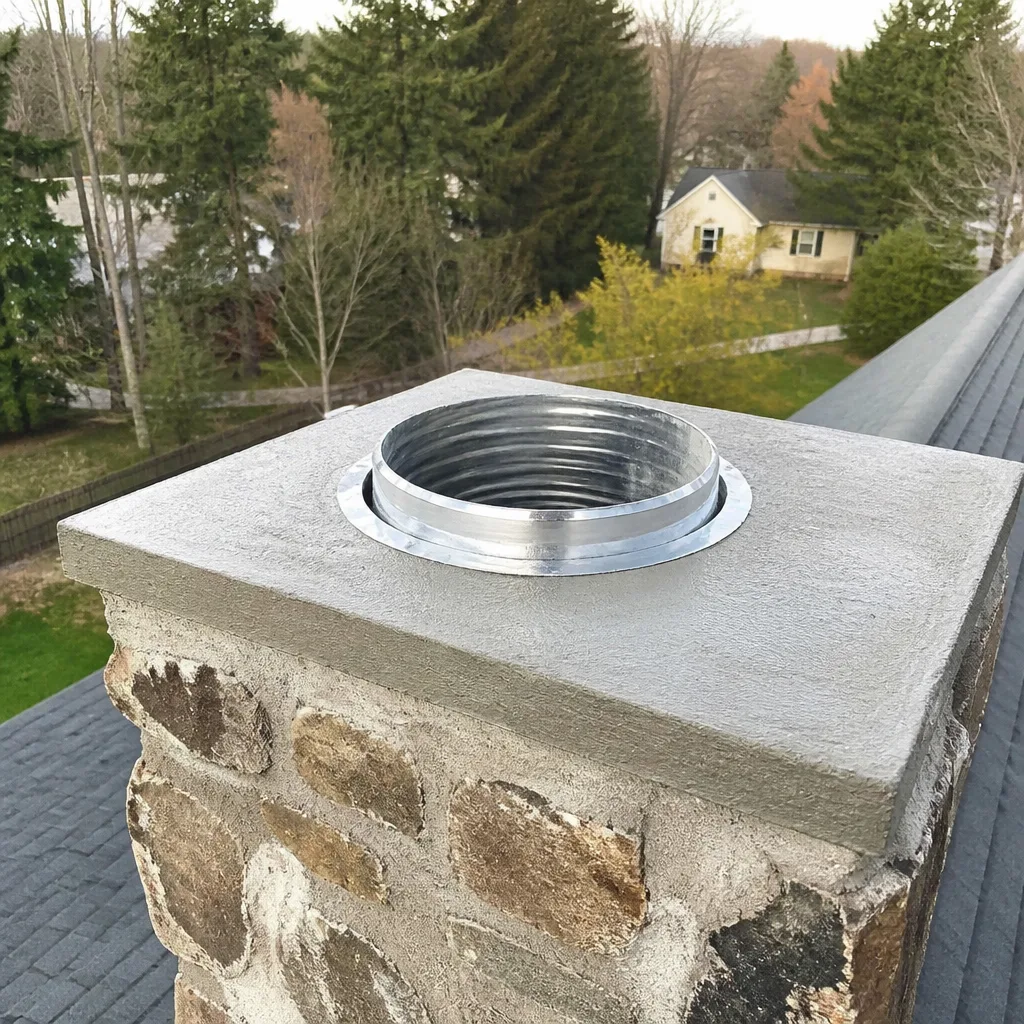 Flue relining
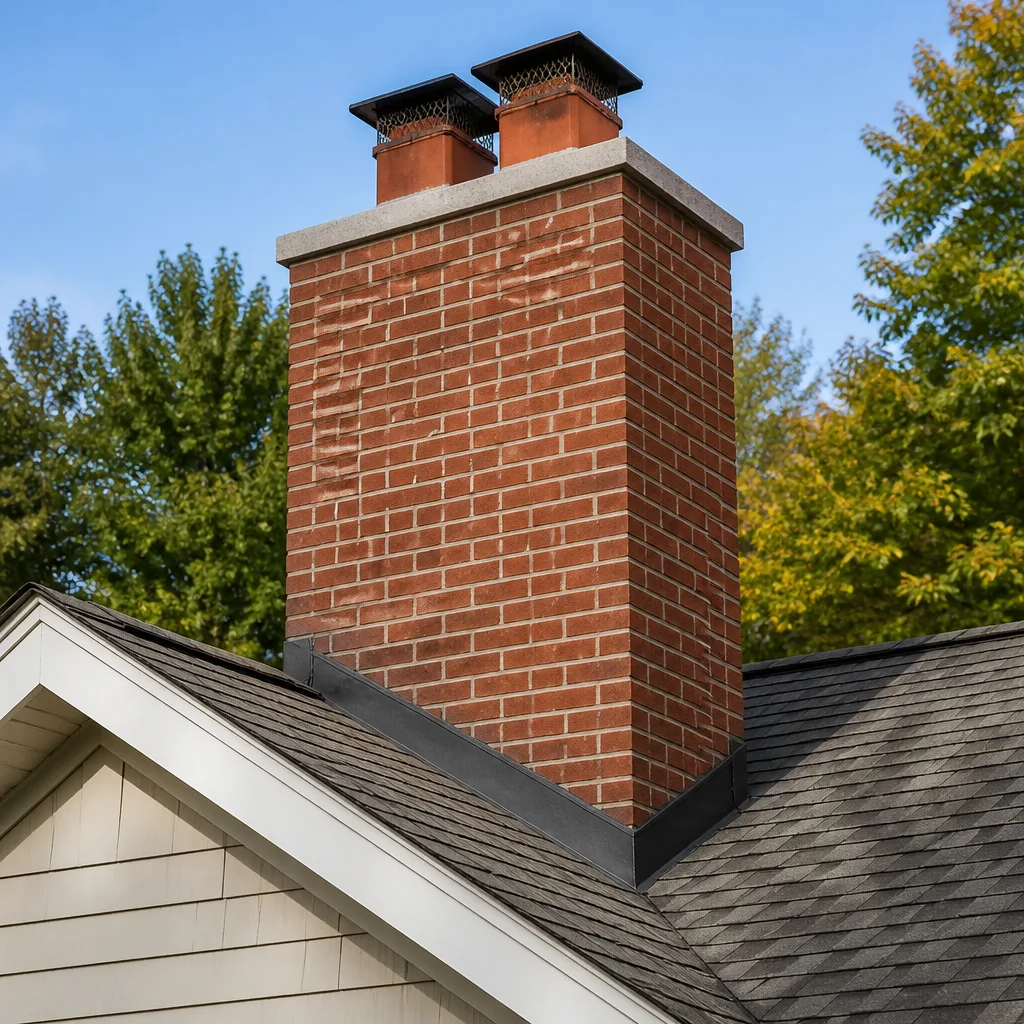 Masonry repair
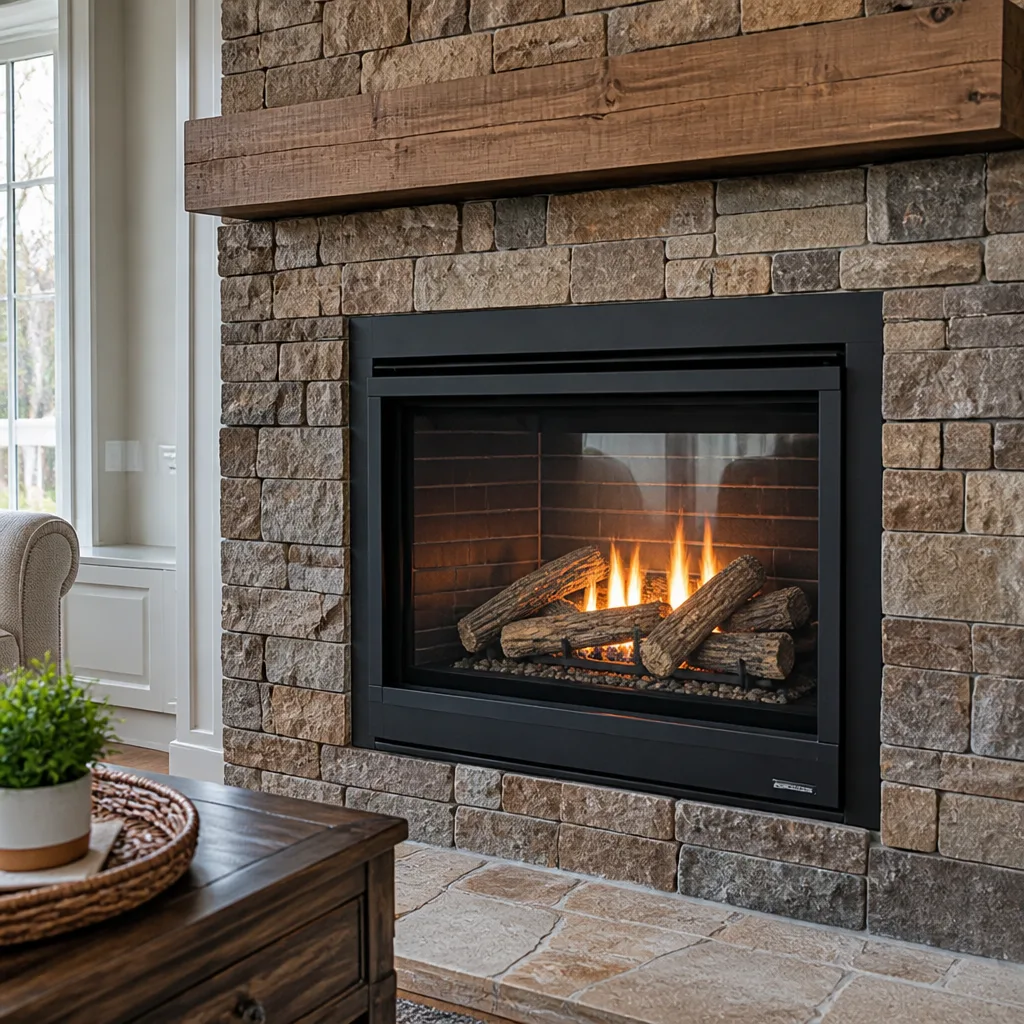 Gas fireplace service
Level 1 sweep and inspection to the NFPA 211 annual standard - flue, crown, cap, and flashing checked and photographed
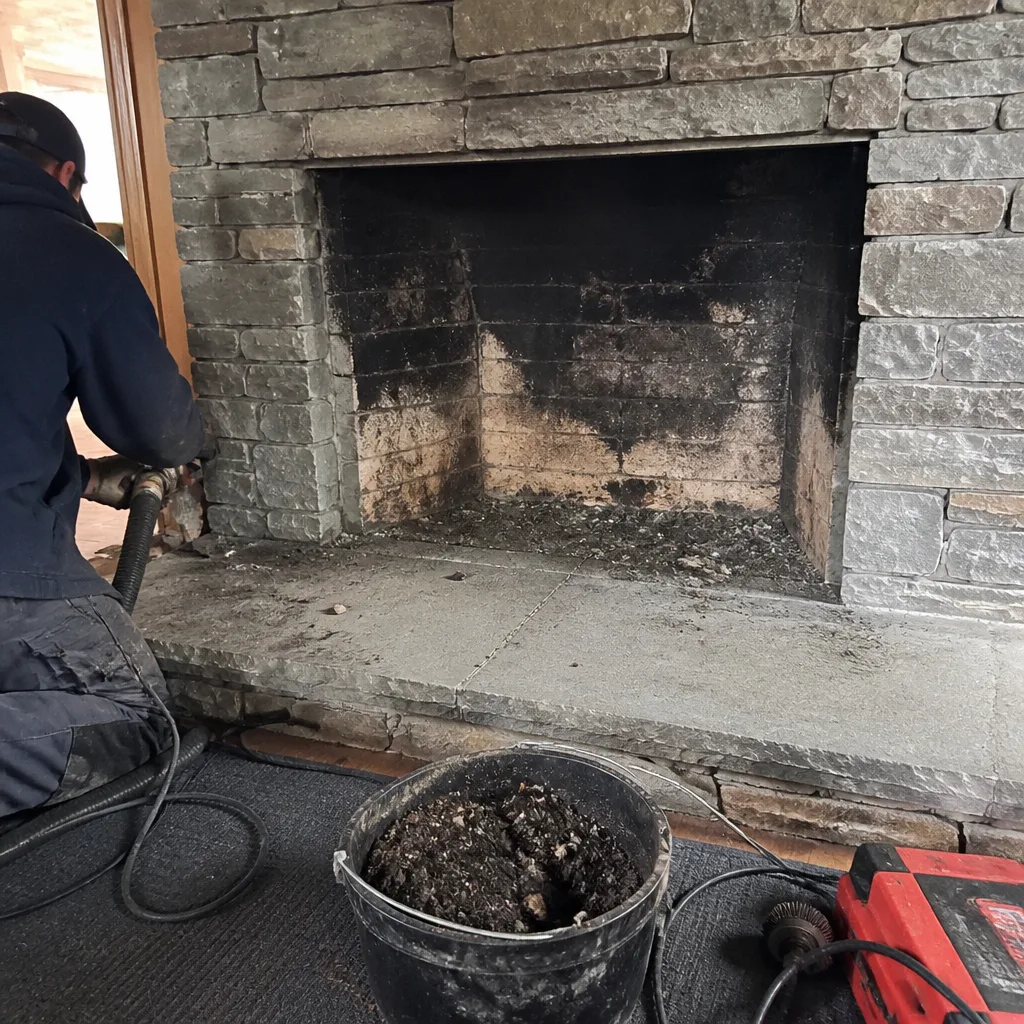
Chimney sweep logs do not sweep chimneys. They loosen some creosote - which then falls where a brush and vacuum still have to collect it.
Chimney Cleaning Warning Signs: A Brockton Homeowner’s Reference Guide
Most chimney problems announce themselves long before they become dangerous. The trouble is that the announcements are quiet: a faint white stain on brick, a damper that grinds instead of glides, a whiff of smoke on a mild afternoon with no fire in the box. Homeowners walk past these every day because nobody told them what the signs mean. This guide maps seven observable warning signs to their likely causes, separates the ones that allow cautious continued use from the ones that mean shut the fireplace down, and explains what to say when you call a sweep. If you heat with wood in Brockton, this is the reference you keep.
Quick Answer
The warning signs that matter most are white staining on exterior brick, black streaking above the firebox opening, a rusted or stiff damper, smoke smell indoors with no fire burning, crumbling mortar at the crown, a fire that smokes back into the room, and unusually dark or flaky creosote on the flue walls. Signs that involve smoke entering the living space, a blocked flue, or Stage 3 creosote mean stop using the fireplace until a professional inspects it. Stains, streaks, and a rough damper are reasons to book a chimney sweep soon rather than immediately, with no fire in the meantime until someone looks.
Styles & brands we work with
- Sweep & inspection
- Caps & crowns
- Flue relining
- Masonry repair
- Gas fireplace service
Table of Contents
- Why Chimney Warning Signs Are So Easy to Miss
- The Seven Observable Warning Signs and What Each One Means
- Stop Using the Fireplace vs. Book a Visit: Drawing the Line Clearly
- How Creosote Stages Show Up Visually, and What Changes in Smell and Smoke
- Warning Signs on Oil and Gas Appliance Venting
- What Brockton Weather and Housing Stock Do to a Chimney
- What to Tell the Sweep When You Call
- Common Mistakes to Avoid
Why Chimney Warning Signs Are So Easy to Miss
A chimney is the only part of your house you’re expected to inspect from the outside while standing in the yard looking up. Everything about the way it fails works against you noticing. The damage happens slowly, in the parts you can’t see, and the visible evidence shows up somewhere other than the actual problem. Water gets in at the crown and shows as a white stain three feet lower on brick. A blocked flue sends smoke out the top and leaves a black streak across the face of the chimney. Rust forms on a damper because a cap above it stopped doing its job.
There’s a second reason these signs get ignored, and it’s more practical: most homeowners don’t know which signs are cosmetic and which are urgent. Without that distinction, every observation becomes a guess, and guessing tends to resolve toward “it’s probably fine.”
In our experience across Brockton, the pattern repeats. A homeowner notices a stain or a smell, waits out the season, and books an inspection in the spring when the fireplace is already forgotten. Sometimes that’s fine. Sometimes the chimney has been sitting with an open path for water or a partially blocked flue for months.
The gap isn’t access. You can see most of these signs yourself with a flashlight and a pair of eyes. The gap is recognition, and that’s what the rest of this guide closes.
What you’ll learn here: the seven signs worth knowing, what each one usually points to, which ones mean stop burning now, how creosote progression shows up visually, what warning signs look like on oil and gas venting (the most overlooked category), and how to describe the sign accurately when you call so the right tools arrive.
The Seven Observable Warning Signs and What Each One Means
Each of these signs is something a homeowner can see without special equipment. Each maps to a likely cause. Treat the cause column as a starting point, not a diagnosis. The point is to know when to look and when to stop.
1. White Staining on Exterior Brick
A chalky white bloom on the outside of the chimney usually means water is getting in and pushing salts out through the brick as it dries. The source is almost always above: a cracked crown, failed flashing at the roofline, or masonry joints that have opened up. This is the most common sign we see on older Brockton homes, and it’s the one homeowners most often assume is normal weathering. It isn’t. Left alone, water works into the flue structure and the freeze-thaw cycle widens every gap.
2. Black Streaking Above the Firebox or on the Chimney Face
Black streaks above the fireplace opening or running down the exterior brick point to smoke escaping where it shouldn’t. That usually means the flue is partially blocked, undersized for the appliance, or pulling poorly because of a draft problem. Smoke is finding the path of least resistance, and that path is often into the room or through the masonry.
3. A Rusted, Stiff, or Grinding Damper
Dampers rust when moisture sits on them, and moisture sits on them when the cap or crown above has failed. A damper that won’t open fully, grinds, or flakes rust when you touch it signals a failed seal upstream. It also means you’ve lost control of the flue opening, which affects both draft and heat loss when the fireplace is idle.
4. Smoke Smell Indoors With No Fire Burning
This is the sign most homeowners dismiss as a quirk. It isn’t. A strong smoke smell inside the house on a warm day with no fire in the box is one of the most reliable indicators of a draft reversal caused by liner damage or blockage. The house should be pulling air up the flue even when the fireplace is cold. When it isn’t, the flue is either blocked, damaged, or open to a pressure imbalance. Treat this sign with the same urgency as a visible crack.
5. Crumbling Mortar at the Crown or Visible Gaps in the Joints
The crown is the concrete cap on top of the chimney, and it’s designed to shed water away from the masonry. When it cracks or crumbles, water runs straight down into the structure. Visible gaps in the mortar joints between bricks tell the same story. Get this looked at before the next hard freeze, because a wet chimney that freezes and thaws repeatedly loses structural integrity faster than anything else.
6. A Fire That Smokes Back Into the Room
Some smoke spillage on a cold start is normal while the flue warms up. Sustained smoking back into the room after the fire is established is not. It means the flue isn’t drawing, and the causes range from a blockage (nesting material, a collapsed liner section, heavy creosote) to a liner that’s separated or damaged. Stop burning and get it inspected.
7. Unusually Dark, Flaky, or Glossy Creosote on the Flue Walls
If you can see the flue interior from the firebox or through a cleanout, look at the coating on the walls. Light, sooty, dusty buildup is Stage 1. Flaky, crusty, dime-thick deposits are Stage 2. Glossy, tar-like, bubbled coating is Stage 3, and it’s a fire hazard in a class of its own. We cover the progression in detail further down.
Key Takeaways: Signs 1, 2, 3, 5, and 7 mean book a sweep soon. Signs 4 and 6 mean stop using the fireplace until someone inspects it.
Stop Using the Fireplace vs. Book a Visit: Drawing the Line Clearly
The most useful distinction in this entire guide is the one between a sign that says “get this looked at soon” and a sign that says “no fire until someone inspects it.” Getting that wrong in either direction causes problems: burning through a real hazard, or shutting down the fireplace for something that could safely wait a week.
Signs That Allow Continued Cautious Use
These are reasons to book a sweep, not reasons to stop burning. Keep the fire small and get on the schedule.
- White staining on brick, with no smoke smell and no smoking back into the room
- Black streaking that appeared gradually and is not accompanied by draft problems
- A damper that grinds or sticks but still opens
- Crumbling mortar at the crown, caught early, in dry weather
- Stage 1 or light Stage 2 creosote visible on the flue walls
Signs That Require Immediate Shutdown
Any of these means the fireplace stays cold until a professional has looked at it. This is not a scheduling preference; it’s a safety line.
- Smoke smell indoors with no fire burning. A reverse draft with a damaged or blocked liner can pull combustion gases into the living space rather than up and out.
- Sustained smoke spilling into the room after the fire is established. The flue isn’t drawing, and you don’t yet know why.
- Visible Stage 3 creosote: glossy, tar-like, bubbled deposits. This coating is what chimney fires burn.
- Any visible crack or separation in the flue liner, where you can see it. A damaged liner loses containment.
- Rust flaking off the damper combined with a smoke smell. That combination points to a serious water and draft problem together.
- A chimney fire has already happened. Even a small one can crack the liner, and the damage isn’t always visible from below.
The shutdown signs share a common thread: they all involve combustion products going somewhere other than up and out of the flue. When that happens, the chimney has stopped being a vent and started being a path. That’s the line, and it’s worth remembering the phrasing: a Chimney Sweep Brockton technician will always tell you plainly which side of that line your chimney is on.
How Creosote Stages Show Up Visually, and What Changes in Smell and Smoke
Creosote is the by-product of incomplete combustion, and it builds up in stages. Homeowners tend to think of it as one thing, but the difference between a dusty coating and a tar-like shell is the difference between routine sweeping and a fire hazard. Here’s how each stage presents, and what you might notice as it progresses.
Stage 1: Dusty and Sooty
The flue walls have a thin, light, flaky coating, more like soot than anything solid. It brushes off easily. If you have your chimney swept once a season, you should rarely see much beyond this. There’s little smell change and no smoke behavior change at this stage; this is what a normal, well-maintained flue looks like between visits.
Stage 2: Flaky and Crusty
The deposit thickens into flakes and crusts, sometimes a dime’s thickness or more on the walls, and it’s harder to remove. This is where homeowners start to notice changes. The draft gets weaker, the fire starts harder, and there’s occasionally a faint campfire smell in the house on damp days even with no fire burning. Stage 2 creosote is often the result of burning green or unseasoned wood, or of a flue that doesn’t pull well enough to burn cleanly. It needs attention.
Stage 3: Glossy, Tar-Like, Bubbled
This is the dangerous stage. The deposit hardens into a shiny, glazed, tar-like shell, sometimes bubbled or puffing out from the flue walls. It’s very difficult to sweep off with a brush; it often takes specialized methods. Homeowners at this stage usually report a strong smoke smell in the house even when the fireplace is idle, a fire that’s hard to keep drawing, or both. Stage 3 creosote is what chimney fires burn, and it doesn’t ignite gently. It’s the single strongest reason to stop using the fireplace and get an inspection.
What Changes in Smell and Smoke Behavior
The progression from Stage 1 to Stage 3 tracks with a specific set of observable changes. If you notice more than one of these happening together, creosote buildup is the likely culprit.
- A faint smoky smell indoors on warm or damp days, growing stronger over time
- A fire that takes longer to catch and burns cooler than it used to
- Noticeable smoke spillage on startup that didn’t happen before
- Dark deposits at the very top of the firebox opening
- Visible glazing or bubbling on the flue walls if you can see them
If you see a glossy coating on the flue walls, stop burning. That’s the clearest warning sign a homeowner can observe directly, and it’s the one that most justifies shutting the fireplace down until a professional has swept and inspected. Our experience is that a flue at Stage 3 often needs a chimney inspection with a camera to confirm the liner is sound; the sweeping removes the deposit, but the inspection is what tells you whether anything underneath has been damaged.
Warning Signs on Oil and Gas Appliance Venting
Most homeowners associate chimney problems with wood-burning fireplaces. That assumption leaves an entire category of venting unchecked. If you have an oil furnace, an oil boiler, or a gas appliance venting through a chimney or flue, the warning signs look different, and they often mean something more serious because the vent carries combustion gases you can’t see or smell.
Oil Appliance Venting Signs
- Soot streaks around the flue connection or above the barometric damper. Soot means the appliance isn’t burning cleanly, and the vent isn’t pulling properly.
- Chimney or flue stained dark near the appliance. Persistent staining points to a vent that’s leaking or drawing poorly.
- An oil smell in the basement or utility room. It can be a delivery issue, but it can also signal a vent that’s stopped drafting properly.
- Rust flakes on the flue, or on the appliance top. Condensation inside the flue is finding its way back into the system.
Gas Appliance Venting Signs
- A metallic or unfamiliar smell near the appliance, or a headache that appears only when the appliance is running. This is one reason not to skip an inspection; carbon monoxide has no smell of its own, so the signs are indirect.
- Backdraft on cold starts. Spillage at the draft hood when the appliance ignites points to a vent problem.
- Water streaks or condensation on the flue. Gas appliances produce more moisture in the exhaust than most homeowners realize, and a vent that’s too cool will condense it back down the flue.
- Liner degradation visible where you can see it. The metal liners used for gas appliance venting degrade over time and can’t always be seen from the appliance room. This is exactly the reason for an annual inspection.
The trouble is that these signs don’t carry the visual weight of a white stain on exterior brick, so they get dismissed. If your firebox hasn’t seen a log in years but your oil boiler or gas water heater is venting through the same chimney, that chimney still needs inspecting on the same schedule. This is a big part of why the sweep-in-spect-repair loop matters all the way through: the flashy risk in a chimney rarely lives at the firebox, and other appliance venting through the same structure carries its own. When we install or service a liner, we use products like DuraFlex flexible liner systems and Olympia Chimney components, so you can look up exactly what went into your vent.
What Brockton Weather and Housing Stock Do to a Chimney
Brockton homes tend to share a set of chimney realities that don’t apply in warmer or drier parts of the country. Understanding them tells you which warning signs to watch most closely in your neighborhood.
Freeze-Thaw and Water Damage
A wet chimney that freezes and thaws repeatedly loses structural integrity faster than a dry one. The crown and mortar joints are the most exposed, and white staining on brick is the earliest visible signal of what a wet chimney and a hard freeze will do together. If you’re seeing stains on the chimney face in the Brockton area, likely the crown or flashing is letting water in, and the winter is going to make it worse, not better.
Older Housing Stock
A lot of Brockton housing was built more than half a century ago, which means original masonry chimneys with original flues. Those unlined or clay-tile-lined flues often show mortar gaps that have widened over the decades. If you live in a home like that and you’ve never had the flue looked at, the white staining isn’t symbolic; it’s real evidence of a slow, ongoing problem.
Dense Neighborhoods and Draft Reversal
Reverse draft is a house-to-house issue as much as a flue issue. Tightly packed homes, other chimneys running nearby, and modern weather-sealing all change the pressure balance inside a house. That’s why the smoke smell indoors with no fire burning matters so much in Brockton. The chimney isn’t necessarily broken; the pressure balance is off, and a draft reversal is pulling air down the flue instead of up. It’s still a problem that needs inspection because it means combustion gases can travel the same path.
Mixed-Appliance Chimneys
Many older Brockton homes share a chimney between wood and some other appliance. A single masonry chimney can carry a fireplace flue and a furnace flue, and when the shared structure develops a problem, both sides are affected. If you’ve got a furnace or boiler venting through the same chimney as the fireplace, get both inspected at the same time. It’s the only way to know whether the venting is sound on either side. This is a natural point to have us look at chimney repair needs on both flues in one visit rather than two separate calls.
And if you’re in one of the surrounding towns and reading this because you’ve noticed a sign, the same guidance applies around Brockton; nothing in this guide is specific to city limits.
What to Tell the Sweep When You Call
The single most useful thing you can do when you call a chimney sweep is describe the warning sign accurately. Not the vague version (“it smells funny”) but the specific version (“strong smoke smell in the living room on a warm day even though the fireplace hasn’t burned in a week”). The difference changes what tools and materials the technician brings, and it changes what kind of inspection is needed.
How to Describe Your Sign Accurately
Use these prompts when you call. Each one points a trained sweep toward a specific diagnostic path.
- “I have white staining on the outside brick.” This tells the sweep to plan to look at the crown, the flashing, and the masonry joints from the roofline or ladders, and to consider water damage beyond just a sweep.
- “I have black streaking above the firebox.” This signposts a draft or blockage issue. The sweep is likely to bring a camera to inspect the flue and check for obstruction.
- “I have a smoke smell inside the house with no fire burning.” This signposts a draft reversal or liner damage. The sweep is likely to plan for a fuller inspection than a routine sweep.
- “My damper grinds and flakes rust.” This signposts water intrusion downstream of a failed cap or crown. Cap and damper replacement materials get pulled into the visit.
- “My fire smokes back into the room after it’s going.” This signposts a serious draft failure, and the sweep will likely bring a camera inspection into the plan.
- “I saw glossy, tar-like buildup on the flue walls.” This signposts Stage 3 creosote. The sweep is likely to plan for specialized removal, not a routine brush, because Stage 3 doesn’t brush out.
What Else to Say When You Call
Cover these additional details so the sweep can frame the visit properly.
- The appliance the chimney serves (fireplace, wood stove, oil boiler, gas water heater) and whether more than one vents through the same chimney.
- The last time the chimney was swept and inspected, if you know it.
- Whether you’ve been burning unseasoned wood, or have changed wood sources recently.
- Whether you see any signs from the roofline looking up from the yard, such as missing cap sections or visible cracks in the crown.
- Whether any sign appeared suddenly or has been developing gradually.
Accurate description serves you in a second way. If a sweep arrives expecting a routine clean and ends up finding Stage 3 creosote and a damaged crown, the visit turns into a second trip. When you describe the sign accurately on the phone, the right tools and materials arrive with the first visit. A chimney specialist should be able to describe candidly which of our six named brands applies to the diagnosis. DuraFlex is for flue relining. HeatShield is for resurfacing a damaged flue. Gelco and Famco supply caps, covers, and venting. Olympia Chimney and Copperfield provide the components that many installations depend on. If you hear “we’ll figure out the materials when we get there,” that’s not the same thing.
Common Mistakes to Avoid
- Assuming white staining is normal weathering. It’s the most common sign we see on older Brockton homes, and it’s almost always water getting in at the crown or the flashing. Treating it as cosmetic leaves a wet chimney sitting through the freeze-thaw cycle for another winter.
- Burning through a smoke smell. If the house smells like smoke with no fire burning, the problem is that the flue is not pulling. Lighting a fire in that condition can make the draft reversal worse and push combustion gases further into the living space. Stop, and call.
- Waiting until fall to schedule. The signs that appear in spring don’t get better sitting through the summer. By the time the heating season arrives, the waiting list is longer, and repairs are more expensive because water has been at the masonry for months.
- Assuming a chimney that hasn’t seen wood in years is “clean.” Oil and gas appliances venting through the same chimney still need inspection on schedule. The most overlooked warning signs in Brockton are the flue stains and soot streaks that only happen when an oil or gas appliance is vented through the chimney.
- Calling a general handyman for a chimney sign. Warning signs almost always fall into one of three categories: sweeping, inspection, repair. All three need a chimney specialist. A handyman can hang a picture and clean a gutter, but a flue assessment and the choice between a DuraFlex relining solution and a HeatShield resurfacing system isn’t general contracting work.
- Not describing the sign clearly on the phone. “It’s dirty” doesn’t help. Saying “black streaking above the firebox” does. The materials and tools that arrive depend on the description.
- Spotting a sign and then making it a plan, not an action. “I’ll get to it in the spring” is how a white stain turns into a masonry rebuild. The sign is a reason to book a visit now, not to make a mental note for later.
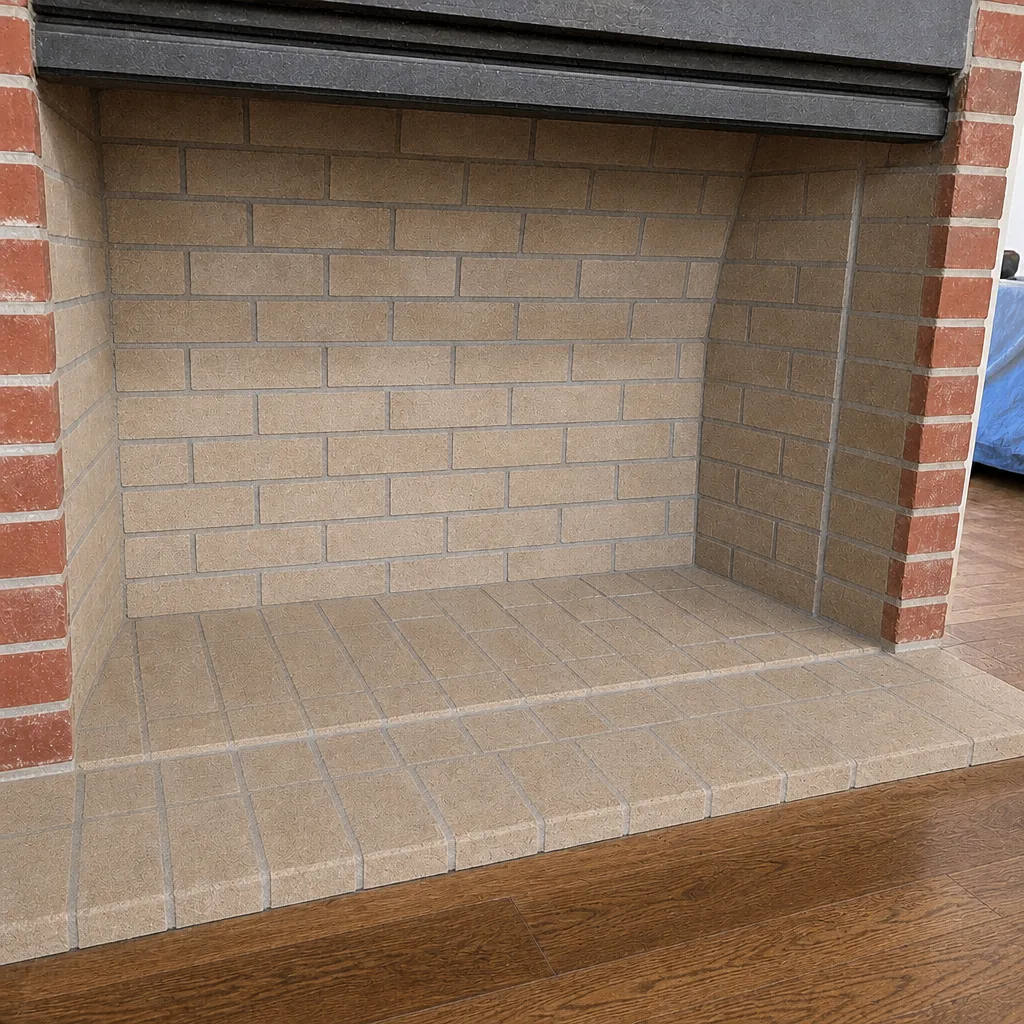
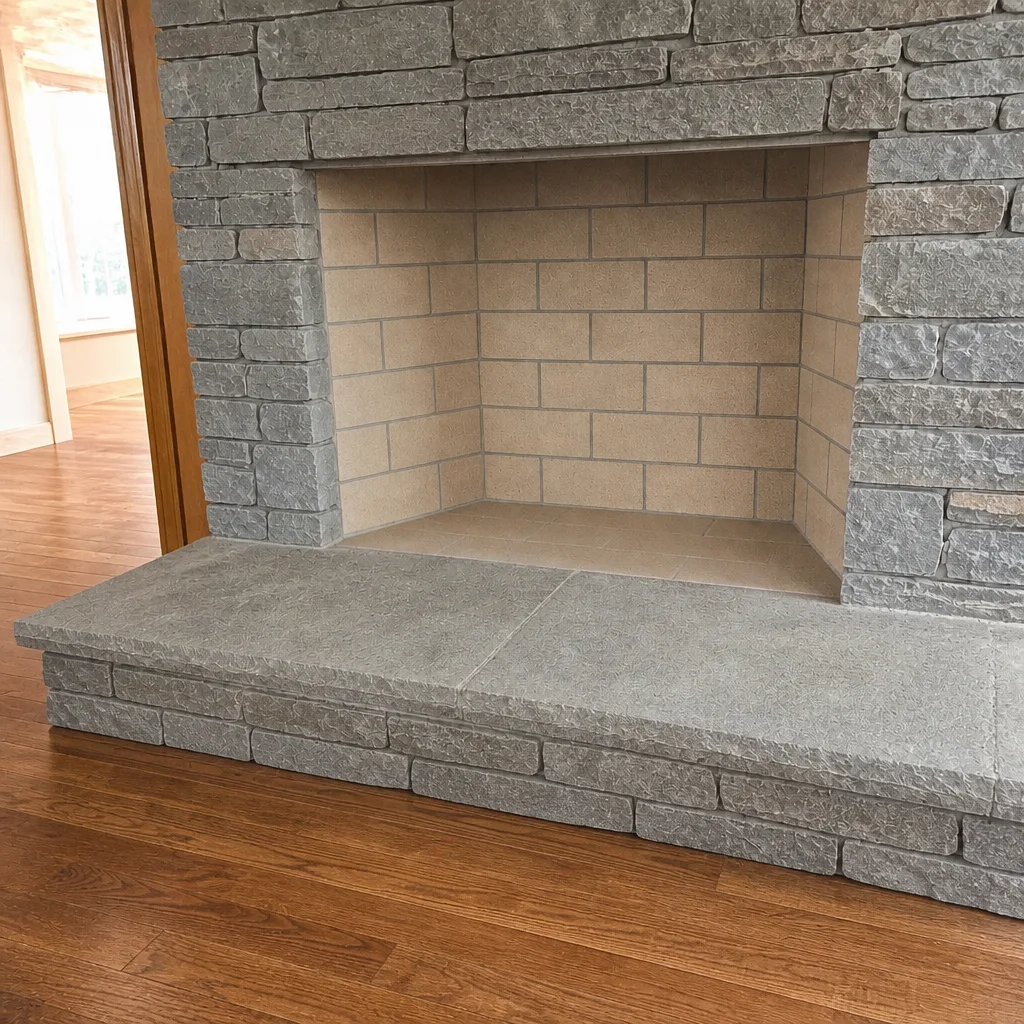
See the difference
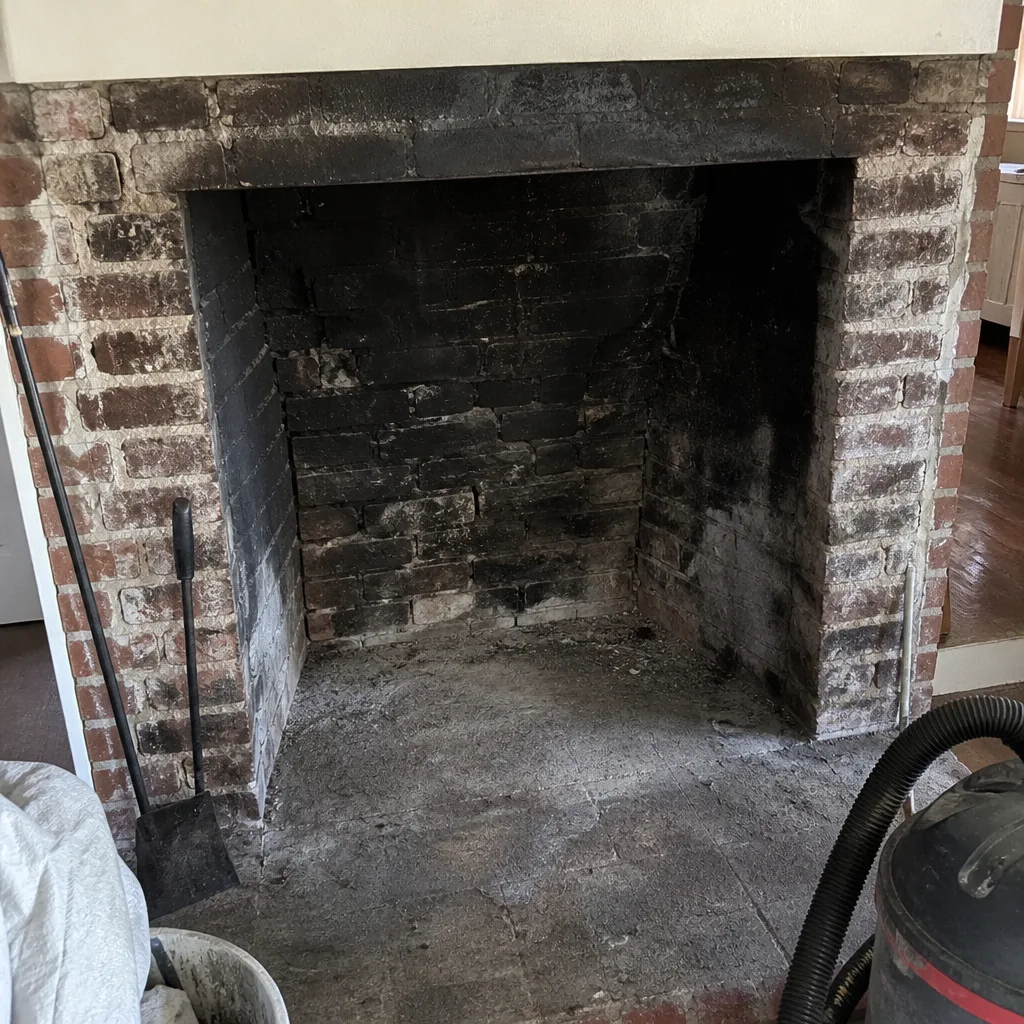 Before
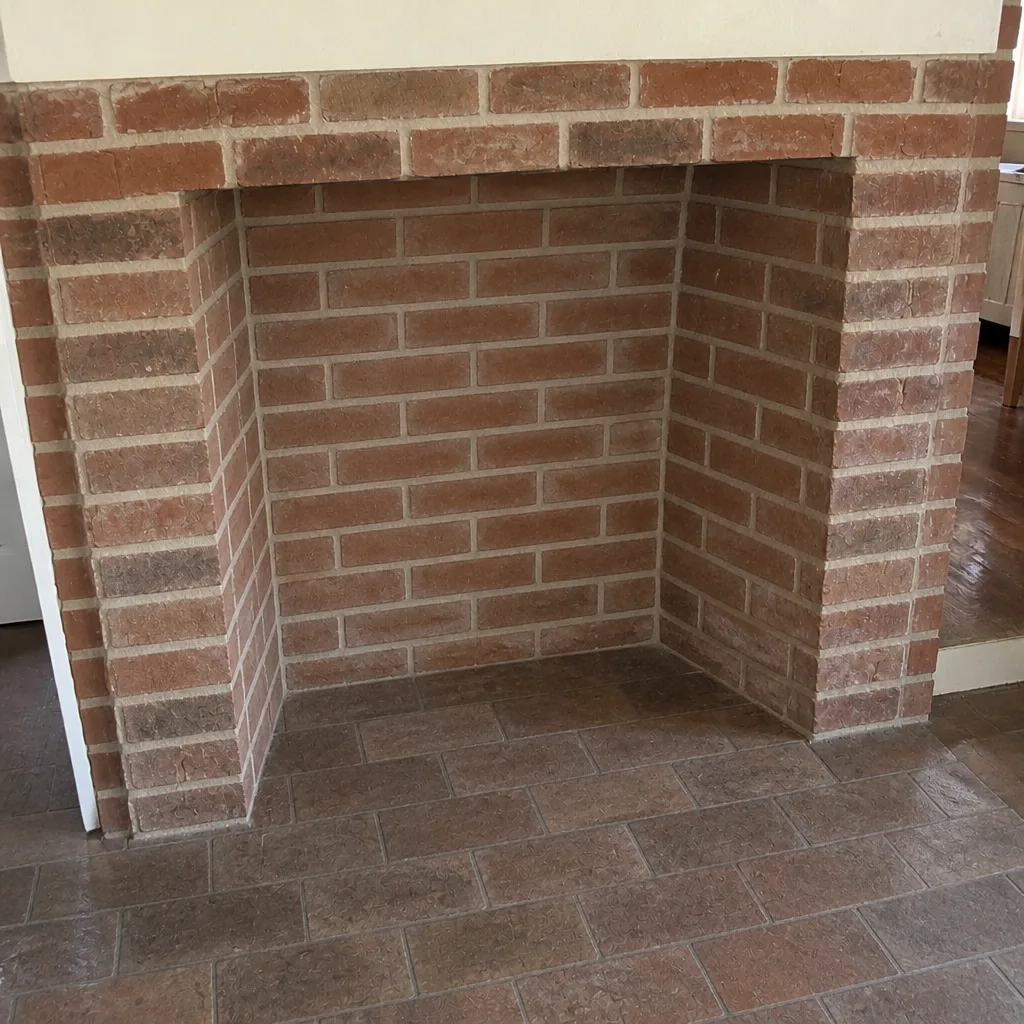 After
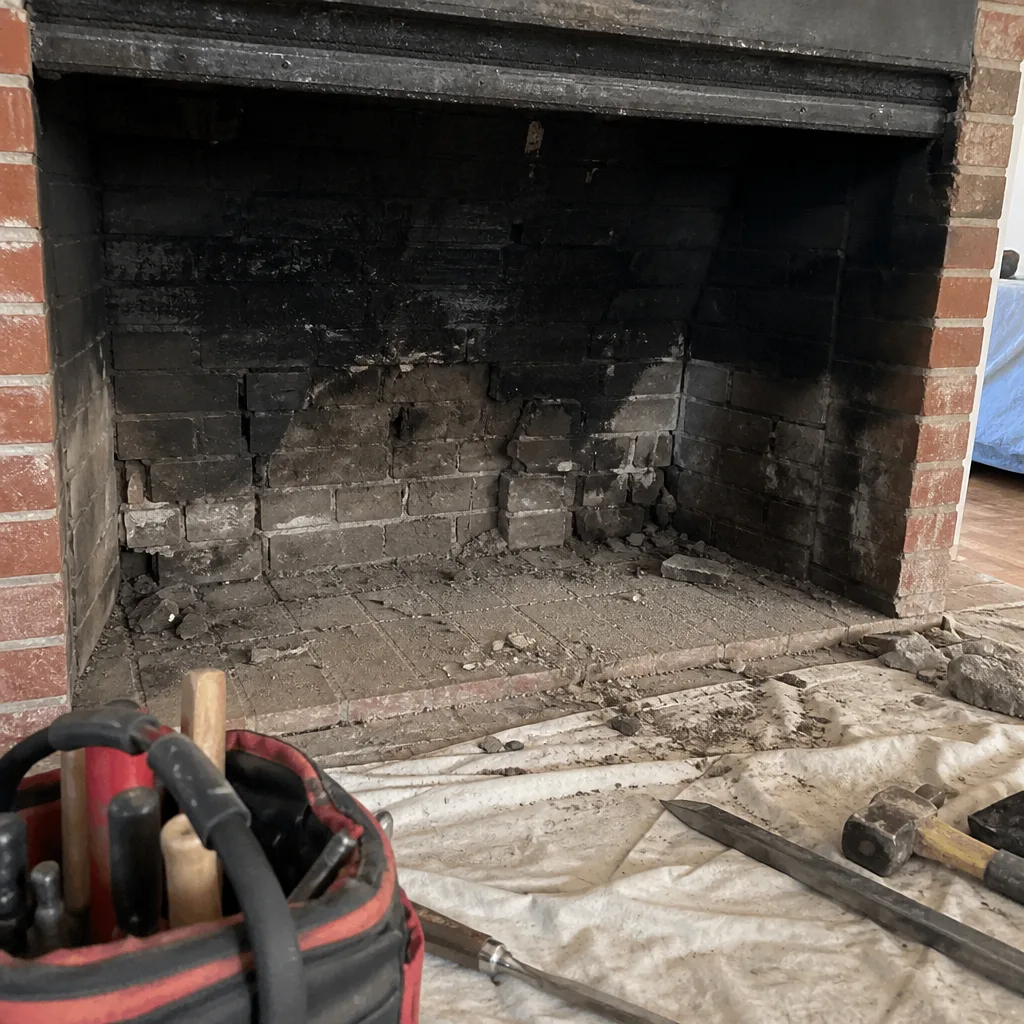 Before
 After
 Before
 After
When to Call a Professional
Call a professional the moment you recognize any of the seven observable warning signs in your chimney, and stop burning if the sign involves smoke entering the living space, a reverse draft, or visible glossy deposits on the flue walls. If you’ve seen white staining, black streaking, a grinding or rusted damper, crumbling mortar, or unusual smoke behavior, book a sweep; these are signs that allow continued cautious use only until they’ve been inspected. If you can’t tell which category a sign falls into, treat it as urgent, because a professional inspection is the only way to tell the difference with confidence.
For any sign that a warning sign exists, the right move is a sweep, an inspection, and a repair plan in one visit. Chimney Sweep Brockton offers free estimates in Brockton. Call (877) 704-4074. We answer 24/7. Fast dispatch from 7am to 7pm, Sunday through Friday.
Frequently Asked Questions
A smoke smell inside the house with no fire burning is the most serious sign, because it indicates the flue is not pulling and combustion gases are travelling the wrong direction. Visible glossy, tar-like deposits on the flue walls (Stage 3 creosote) warrant the same urgency. Call (877) 704-4074 for an exact quote – estimates are free.
A routine chimney sweep in Brockton is typically priced per job by a written estimate, with the estimate itself free. The only way to lock a number in is to have the chimney inspected so the sweep knows which service it’s quoting. Call (877) 704-4074 for an exact quote – estimates are free.
Annual sweeping and inspection is the standard recommendation for any chimney in use. If you burn unseasoned wood, use the fireplace heavily, or notice any of the warning signs in this guide, get it seen sooner. Call (877) 704-4074 for an exact quote – estimates are free.
Yes, cautiously, if the only sign is white staining and there’s no smoke smell, no smoking back into the room, and no visible damage to the flue. White staining points to water getting in, which is a repair issue rather than an immediate fire risk. Book a sweep and get the crown and flashing checked before the next freeze. Call (877) 704-4074 for an exact quote – estimates are free.
Creosote keeps building, and the deposit goes from light and dusty (Stage 1) to crusty (Stage 2) to glossy and tar-like (Stage 3). Stage 3 is what chimney fires burn. Water damage also compounds: a small crack in the crown that goes unfixed for a winter can widen into serious masonry repair by the next season. Call (877) 704-4074 for an exact quote – estimates are free.
Call a chimney specialist to inspect the venting before the next heating cycle runs. Soot streaks around an oil appliance’s flue connection point to incomplete combustion and poor drafting. Don’t wait out the season. Call (877) 704-4074 for an exact quote – estimates are free.
The Bottom Line
The warning signs that a chimney needs professional attention are almost all visible to a homeowner before the situation becomes dangerous. White staining points to water getting in at the crown. Black streaking points to a draft or blockage problem. A rusted damper points to a failed seal upstream. Smoke smell indoors with no fire burning points to a liner or draft reversal, and it’s the sign that deserves the most urgency. Knowing which signs allow cautious use and which require shutdown is the entire game. If you’ve seen any of them, book a sweep, inspection, and repair plan in one visit rather than one at a time. The names on the parts that end up going into your chimney are worth knowing, whether it’s a Gelco cap or a Famco cover, because those are the parts that keep the signs from coming back.
Ready to get a professional look at your chimney? Chimney Sweep Brockton handles sweeping, inspection, and repair in one call, and we use materials you can look up by name. Call (877) 704-4074 for a free estimate. We answer 24/7. Fast dispatch from 7am to 7pm, Sunday through Friday, closed Saturday.
Written by the team at Chimney Sweep Brockton.