
Last updated November 16, 2026
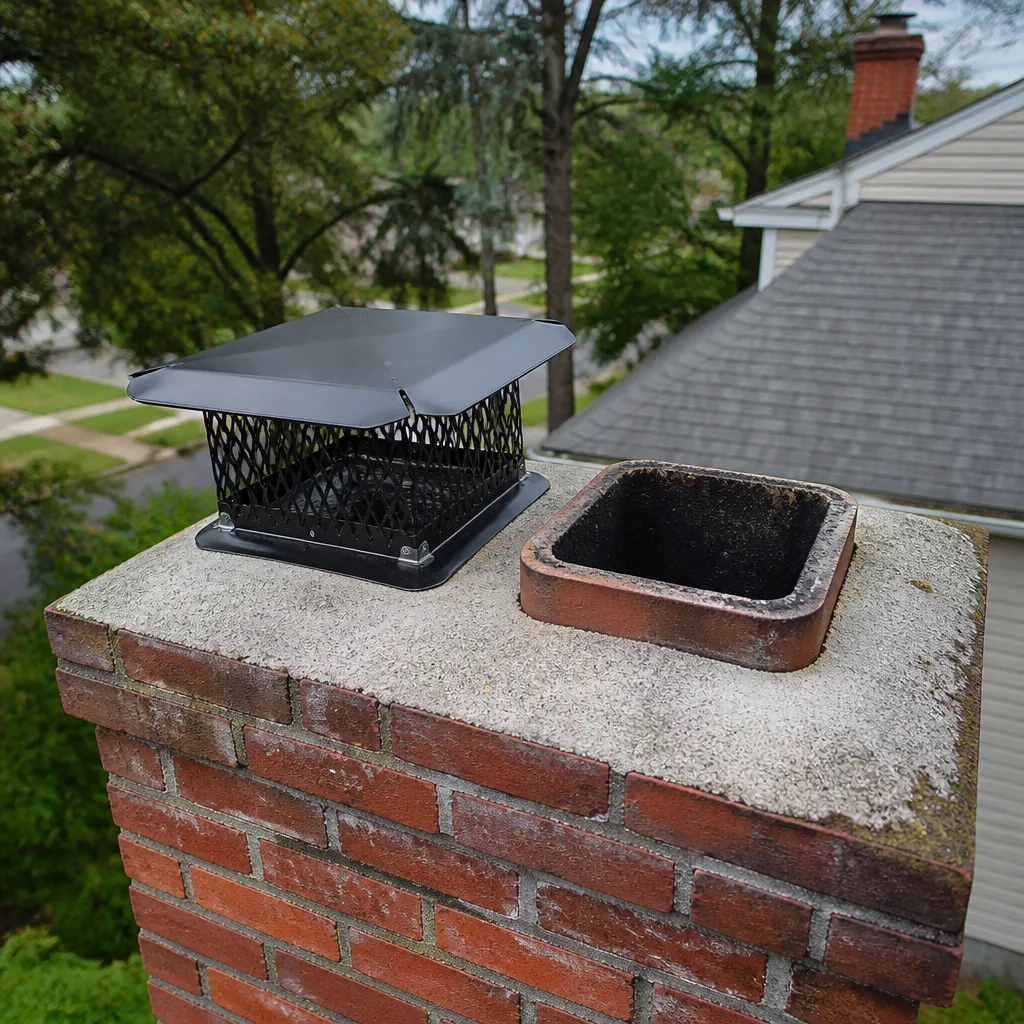 Sweep & inspection
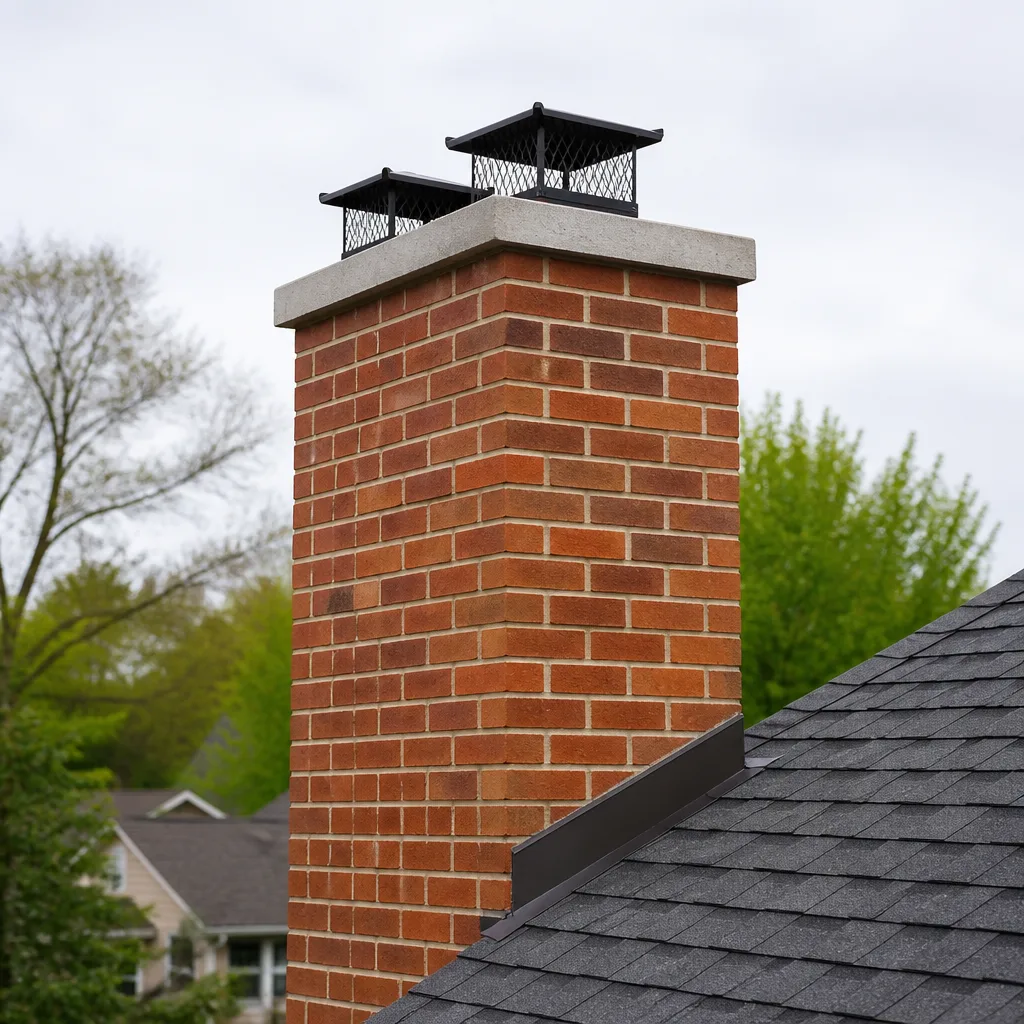 Caps & crowns
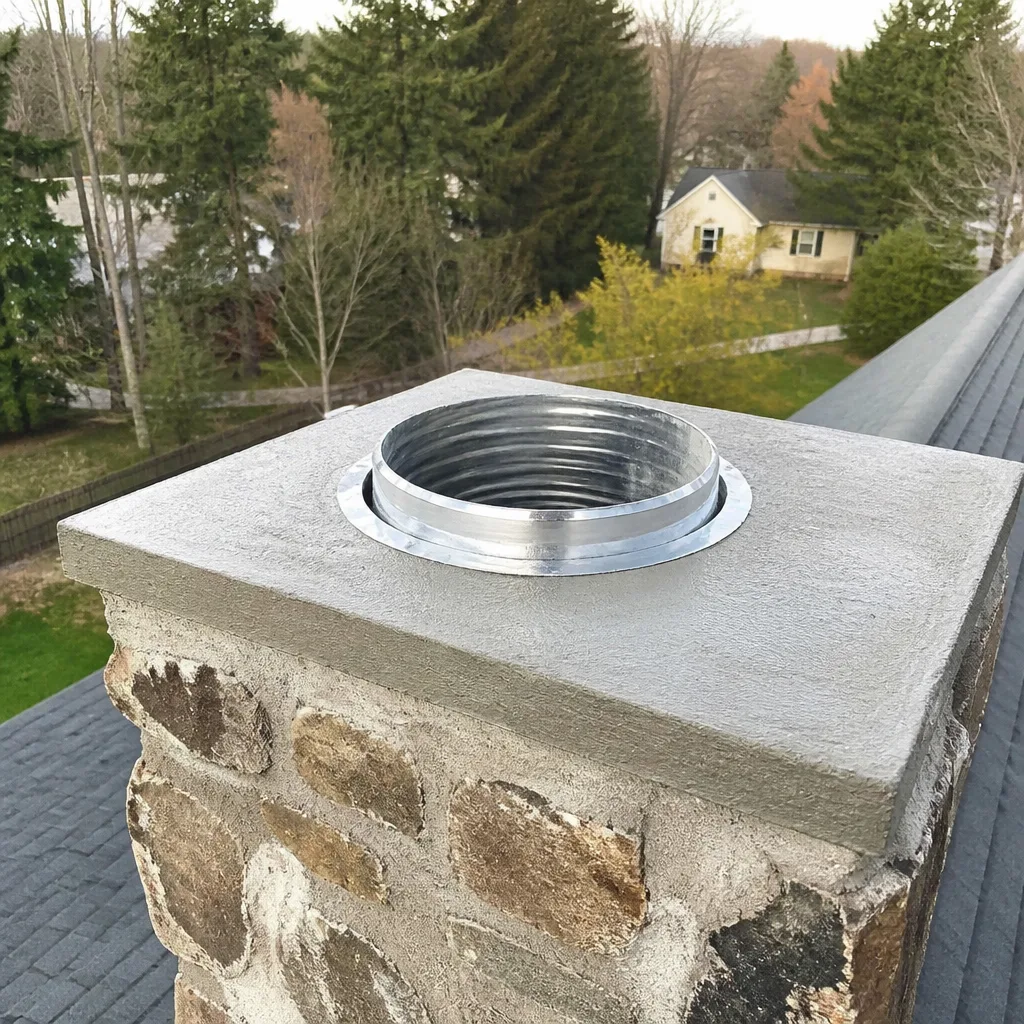 Flue relining
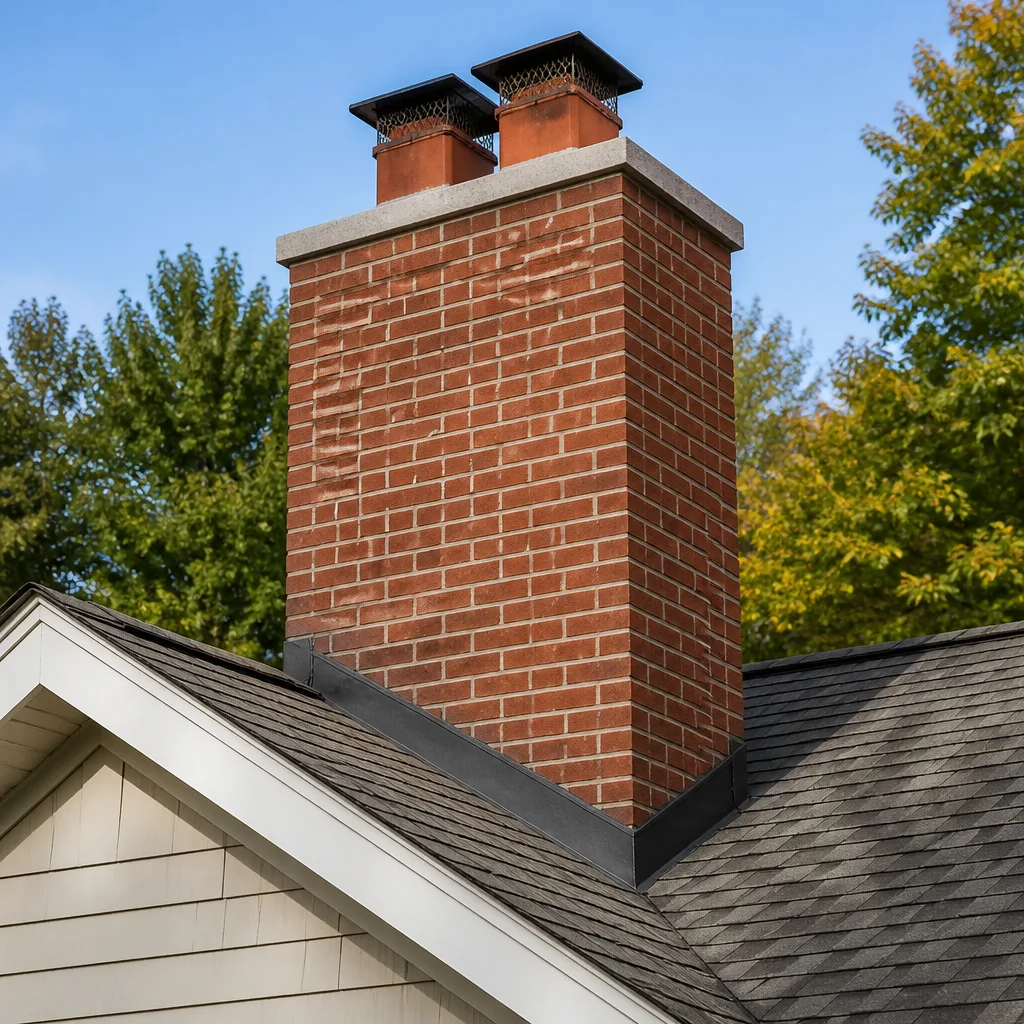 Masonry repair
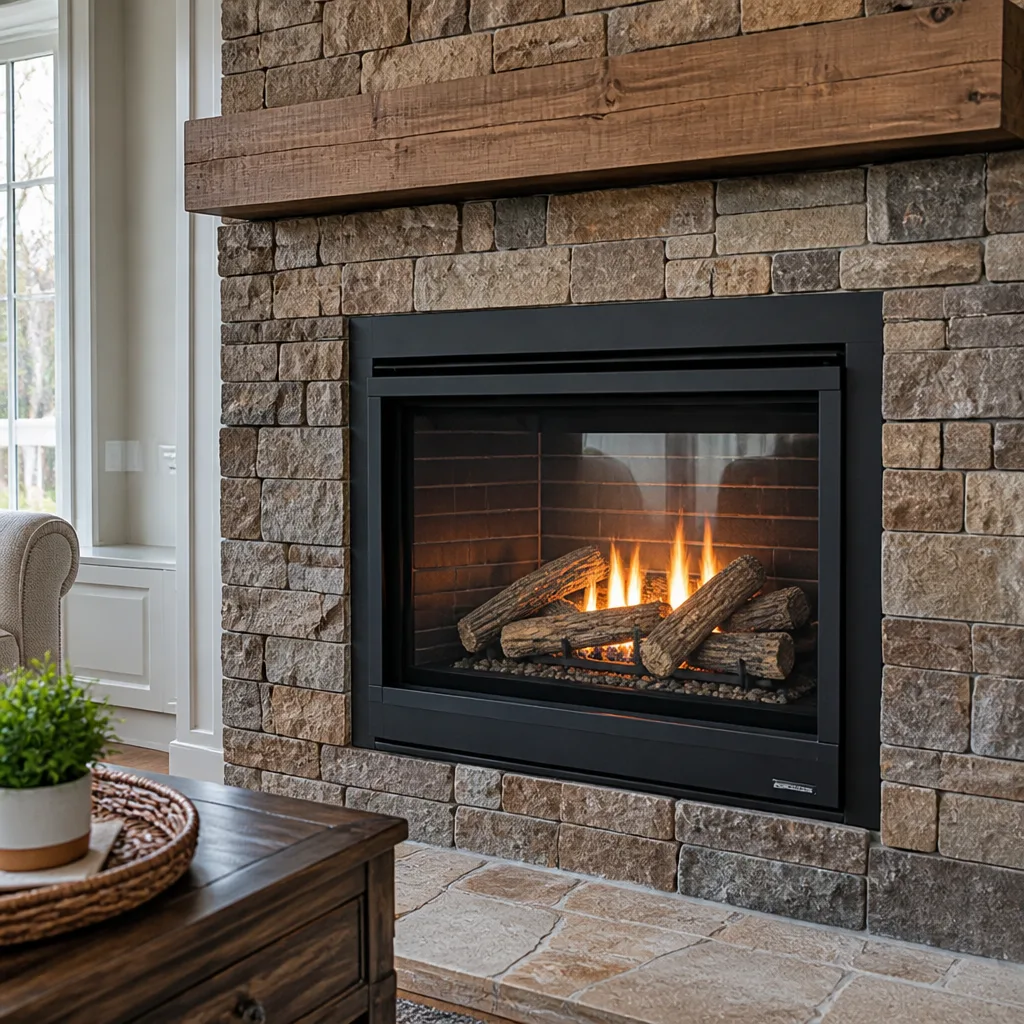 Gas fireplace service
Level 1 sweep and inspection to the NFPA 211 annual standard - flue, crown, cap, and flashing checked and photographed
Chimney sweep logs do not sweep chimneys. They loosen some creosote - which then falls where a brush and vacuum still have to collect it.
Choosing the Right Chimney Cleaning Brand: A Buyer’s Guide for Brockton
Most homeowners shop for chimney work by comparing prices. That’s backwards. The price only tells you what a contractor wants to charge; the brand names in their proposal tell you what will actually go inside your flue. A stainless liner section, a cap, a damper, or a resurfacing compound each carries a rating, a temperature limit, and a warranty of its own, and the manufacturer will only honor that warranty on a spec-correct installation. If a contractor can’t tell you the brand of a liner or cap they’re installing, you lose your ability to verify any of it. This guide walks through what the recognized chimney product brands actually do in Brockton, how to match a product to the job, and how to check a contractor’s materials once the work is finished.
Quick Answer
The right chimney brand will depend on the work, and the named professional brands map to specific jobs: DuraFlex for flexible stainless relining, HeatShield for resurfacing an existing clay flue that can be saved, Gelco and Olympia for caps and termination covers, Famco for dampers and venting components, and Copperfield for accessories and tools. A contractor who names the brand and the product line lets you verify its rating, warranty, and compliance with manufacturer specs. That’s the standard homeowners in Brockton can hold any chimney contractor to.
Styles & brands we work with
- Sweep & inspection
- Caps & crowns
- Flue relining
- Masonry repair
- Gas fireplace service
Table of Contents
- Why Chimney Product Brands Are a Quality Benchmark
- What Each Named Chimney Brand Covers
- Matching the Product to the Job: HeatShield vs. DuraFlex
- What “Industry-Grade” Actually Means in Practical Terms
- How to Verify a Product After Installation
- Why Materials Accountability Matters for Resale and Insurance
- The Questions to Ask Before You Book a Chimney Contractor
- Common Mistakes to Avoid
- When to Call a Professional
- Frequently Asked Questions
Why Chimney Product Brands Are a Quality Benchmark
A chimney brand name is not a marketing label. It’s the identifier that ties your installed component to a manufacturer, a published specification sheet, and a warranty contract. This matters in a way it doesn’t for a coat of paint or a patch of drywall. Your flue is a life-safety system. It carries heat, creosote, and carbon monoxide away from the living space, and the parts have to handle those conditions at defined limits.
When you ask a contractor which brand of liner they’re installing, three things become possible. You can pull the manufacturer’s installation instructions and check that the product matches your appliance type. You can look up whether the component is listed to the relevant standard for a wood-burning flue. And you can confirm that the warranty will actually be valid if you ever make a claim, which almost always means matching the product to the spec the manufacturer publishes. A generic “high-temperature stainless liner” tells you none of that.
In Brockton, many homes are older, and the flue you’re looking at may have been lined decades ago or never properly lined at all. A contractor who arrives with specific product names is showing their work up front; a contractor who speaks only in vague superlatives is asking you to trust what you can’t check. Our position is simple: we name the brands we use, and we tell you to look them up. If a company can’t do the same, that gap is your first red flag.
This is where a full service chimney company rather than a general handyman matters. General contractors will patch a chimney, but few of them are familiar with the liner sizes, termination components, and resurfacing systems that the trade actually specifies. The brands you’ll read about below are chimney-specific tools, and knowing them is part of doing the job right.
What Each Named Chimney Brand Covers
Professional chimney work draws on a small circle of established supply brands, and each one owns a particular slice of the system. Knowing what each brand covers helps you read a contractor’s quote and spot what’s missing. The list below is the roster we work with, along with the part of the chimney each one handles. For the higher-level service that puts these parts together, see our chimney repair page.
DuraFlex: Flexible Stainless Liner Systems
DuraFlex makes flexible stainless liner systems, the material that gets dropped down a flue when the existing clay tile is damaged, mis-sized, or missing. A flexible liner is the standard relining solution for wood-burning appliances because it can negotiate bends that rigid pipe cannot. DuraFlex is the brand we reach for when a flue needs full replacement lining rather than a surface fix.
HeatShield: Ceramic Liner Resurfacing
HeatShield is a specialist chimney resurfacing system for ceramic flues. It restores the interior surface of a clay flue that has cracks, gaps, or spalling mortar joints but is still structurally sound. It’s a repair, not a cosmetic skim coat; it treats the clay flue as a repairable structure rather than condemning it on sight. Using HeatShield is one sign a contractor has capability beyond basic sweeping, because it’s applied to the inside of the flue to rebuild the surface.
Gelco and Olympia Chimney: Caps and Termination Covers
Gelco and Olympia Chimney supply caps, covers, and termination components. A well-fitted cap keeps rain, birds, and debris out of the flue and can be a significant part of preventing water damage to the chimney crown above. These brands are recognized supply names in the chimney trade, and their products appear in residential jobs from simple multi-flue caps to weather-sealing covers.
Famco: Dampers and Venting Components
Famco supplies dampers and venting components, the moving parts and fittings that manage airflow and sealing at the firebox and along the vent path. A damper that seals properly is an energy-efficient upgrade and a fire-safety consideration at the same time. Familiarity with Famco tells you the contractor knows the whole system, not just the flue tube.
Copperfield: Accessories and Tools
Copperfield covers accessories and tools used in professional chimney work. This category includes the parts that are easy to forget in a quote but are needed for a complete installation: the finishing components, connectors, and tools that let the technician work cleanly and bring the system up to spec.
Our chimney sweep crews keep the same product discipline on the cleaning side, so a single visit can reveal what the flue needs and connect it to the right materials.
Matching the Product to the Job: HeatShield vs. DuraFlex
The single most important product decision on a chimney repair is whether to resurface or reline. Get it wrong and you either spend more than you needed or you put a patched surface where a full replacement was justified. Here’s the distinction in plain terms.
- HeatShield fits when the existing clay flue is still structurally sound but has a damaged surface: cracks, gaps, or loose joints that need to be sealed and rebuilt. It preserves the current flue rather than replacing it.
- DuraFlex fits when the existing flue is compromised beyond resurfacing, is the wrong size for the appliance, or has no liner at all. This is a full relining, bringing the flue to a professional-grade standard.
The choice depends on camera evidence. A contractor should not decide in the driveway. A camera inspection shows the condition of the flue inside, and that footage is what justifies the recommendation. If the flue is repairable with a resurfacing system, HeatShield is the less disruptive route; if it isn’t, DuraFlex relining is the responsible fix. Recommending the heavier option without showing you why is the complaint we hear most from homeowners skeptical of unnecessary work.
We tell our Brockton customers the same thing every time: nothing is recommended without camera evidence you can see for yourself, and we’ll tell you plainly when a repair can safely wait. Using HeatShield and DuraFlex together as a toolkit means the recommendation is driven by the flue, not by what’s easiest to sell. Both products come with manufacturer specifications, and a competent contractor will provide those with the written estimate.
Our technicians have up to 9 years of experience with these systems. That reflects familiarity with the materials, not a claim about how long the company has been around, and it’s exactly the kind of hands-on product experience that tells a reliable resurface from a needed reline.
What “Industry-Grade” Actually Means in Practical Terms
Contractors throw around “professional-grade” and “industry-standard” freely. The homeowner can translate those phrases into three concrete things that actually protect them.
1. Listing to a Recognized Standard
Listed products carry a third-party certification that the component is tested to a recognized safety standard for its application, such as a wood-burning flue. A generic liner may not carry the same listing, which means there’s no independent confirmation that it meets the temperature and durability requirements of your appliance. “Industry-grade” means you can point to the listing, not just hear that it’s good.
2. Stated Temperature Ratings
Chimney components are rated to specific temperatures and conditions. The rating should match the appliance you’re using. A component installed beyond its stated rating is a safety concern, and no reputable contractor should put one in without checking. Ask what the component is rated for and for what type of appliance.
3. Warranty Terms You Can Read
A named-brand product carries a manufacturer’s warranty that depends on installation per spec. Generic or unbranded alternatives usually carry no comparable warranty, or a warranty so vague it can’t be enforced. The practical difference is that brick-and-mortar warranty support means something if a component fails years down the line.
These three checks are how you distinguish a materials-accountable contractor from a brush-and-bill operation. You don’t need to become an expert; you just need a contractor who can show product documentation instead of making a claim.
How to Verify a Product After Installation
Verification starts before the work and continues after. A legitimate contractor should leave you with a written record, not just a receipt and a handshake. Follow these steps to confirm what went into your chimney.
- Get the written estimate with brands named. The proposal should specify the product brand and installation approach (resurfacing with HeatShield or relining with DuraFlex, for example), not just the service category.
- Ask for the manufacturer documentation. A professional will provide the product specification sheet or installation instructions for the component being installed, or at minimum point you to where the manufacturer publishes it.
- Check the product markings on the installed component. Liner and termination products carry manufacturer markings that allow you to match the installed part to its specification. Ask the technician to show you the markings before the work is sealed up.
- Review the written report. Our inspections include a camera record and photo report so you can see the flue condition and the finished result. The evidence is yours to keep.
- Confirm the warranty terms in writing. The install documentation should tell you what the manufacturer warranty covers and what the contractor’s own workmanship position is, so a failure later is tied to a known, written term.
One more pre-installation step: verify the scope of work in writing and get a flat-price sweep agreed before booking, so a small job doesn’t grow in scope halfway through. That’s how trust is built in this trade. For an inspection that captures the evidence in the first place, see our Brockton coverage and how a camera inspection works on a residential system.
If a contractor can’t tell you the brand or show you a spec sheet, stop the conversation. It means the flue, the appliance, and the warranty all rest on faith, and that’s the exact scenario a materials-accountable contractor exists to prevent.
Why Materials Accountability Matters for Resale and Insurance
Chimney work you can document is an asset at more than one moment. The first is at the point of sale. When a buyer’s inspector takes a look at the chimney during a Brockton home sale, a written record of named-brand liner or cap work with matching documentation is straightforward to produce. Undocumented work invites questions the seller can’t easily answer, and the negotiation costs the seller more than the work did.
The second moment is a claim. If a fireplace problem leads to an insurance claim, the insurer’s first question is whether the work was done to spec by a competent professional with recognized materials. Manufacturer documentation and a written report substantiate that. A generic liner with no paperwork makes a claim harder, and it may leave the homeowner exposed for a repair the policy won’t cover.
The third is ordinary safety. A chimney fire, a backdraft, or a carbon monoxide problem is exactly the situation that triggers the need for evidence. Named brands like DuraFlex and HeatShield are recognized supply names, and a contractor who documents them is documenting your safety. That’s a separate concern from a sales pitch, and we treat it that way: your flue is a life-safety system, and the materials record is part of the service.
Insurance and resale both reward verifiable materials, and it costs you nothing extra to ask a contractor for them. The contractor who has an answer ready is the one you want.
The Questions to Ask Before You Book a Chimney Contractor
You can protect yourself in a single phone call by asking five direct questions. If a contractor struggles with any of them, that tells you where the rest of the job might fall short.
- “What brand of liner or resurfacing product do you use, and why that one?” A real answer names a product and explains the application. An evasive answer usually means there’s no standard.
- “Will you provide the manufacturer’s documentation?” Yes is the right answer. If you can’t get the spec sheet or warranty terms in writing, look elsewhere.
- “Will you show me a camera inspection before recommending a repair?” The evidence should come before the recommendation, not after.
- “Does the product you’re installing match my appliance type and flue size?” A contractor should confirm this against the manufacturer’s specifications, not guess.
- “What’s the flat price, and is it set by a written estimate?” Insist on a written estimate, so the price doesn’t shift once the job starts.
One more practical check: what does the company actually cover? A chimney specialist does sweep, inspect, and repair, and doesn’t stray into roofing, HVAC, or general contracting. A contractor who claims all of it usually specializes in none of it. You can learn more about our Chimney Sweep Brockton services and answers to these questions before you book.
Common Mistakes to Avoid
- Booking on price alone. A low estimate with a generic, unlisted product is usually not cheaper; it’s the same cost with no verifiable standard. Compare the material, not just the number.
- Accepting a verbal recommendation. A repair should be backed by a camera inspection and a named product. If the contractor is diagnosing your flue from memory without showing you the footage, you’re guessing right along with them.
- Letting a handyman handle the liner. Full relining and resurfacing are specialist work. A general handyman may not know the brands, the flue sizing, or the installation specs, and the warranty can be void if the install doesn’t match.
- Skipping the written estimate. The written estimate is what makes the flat price enforceable and what names the materials. Without it, scope creep is one call away.
- Ignoring the flue long enough to miss the safe repair window. Letting cracks and gaps sit unaddressed can push a resurfaceable flue into the full reline column. A sweep and inspection in Brockton’s older housing stock is the smart move before that tipping point.
- Not keeping the documentation. The product spec sheet, written report, and photo evidence are your resale and insurance records. Keep them as you would a roof or septic certificate.
- Assuming “industry-grade” is a brand name. It’s a claim. Make the contractor back it with the actual product, its listing, and its warranty.
When to Call a Professional
Call a professional when you smell a strong creosote odor, see smoke backing into the room, or hear a chimney fire rumbling like a freight train, and call promptly; these are not do-it-yourself conditions. Call when a home inspection flags the flue, when you’re selling and need documentation of prior work, or when a camera inspection you saw recommended a repair. Call when a sweep is due and you have a wood-burning appliance, because burning season in Brockton makes for a short window to schedule before the flue is in use again. And call when a contractor’s quote leaves you unable to verify the material; a second opinion on the product is worth the time. Chimney Sweep Brockton offers free estimates in Brockton, so you can talk through what your flue actually needs and confirm the brands before you commit. Call (877) 704-4074.
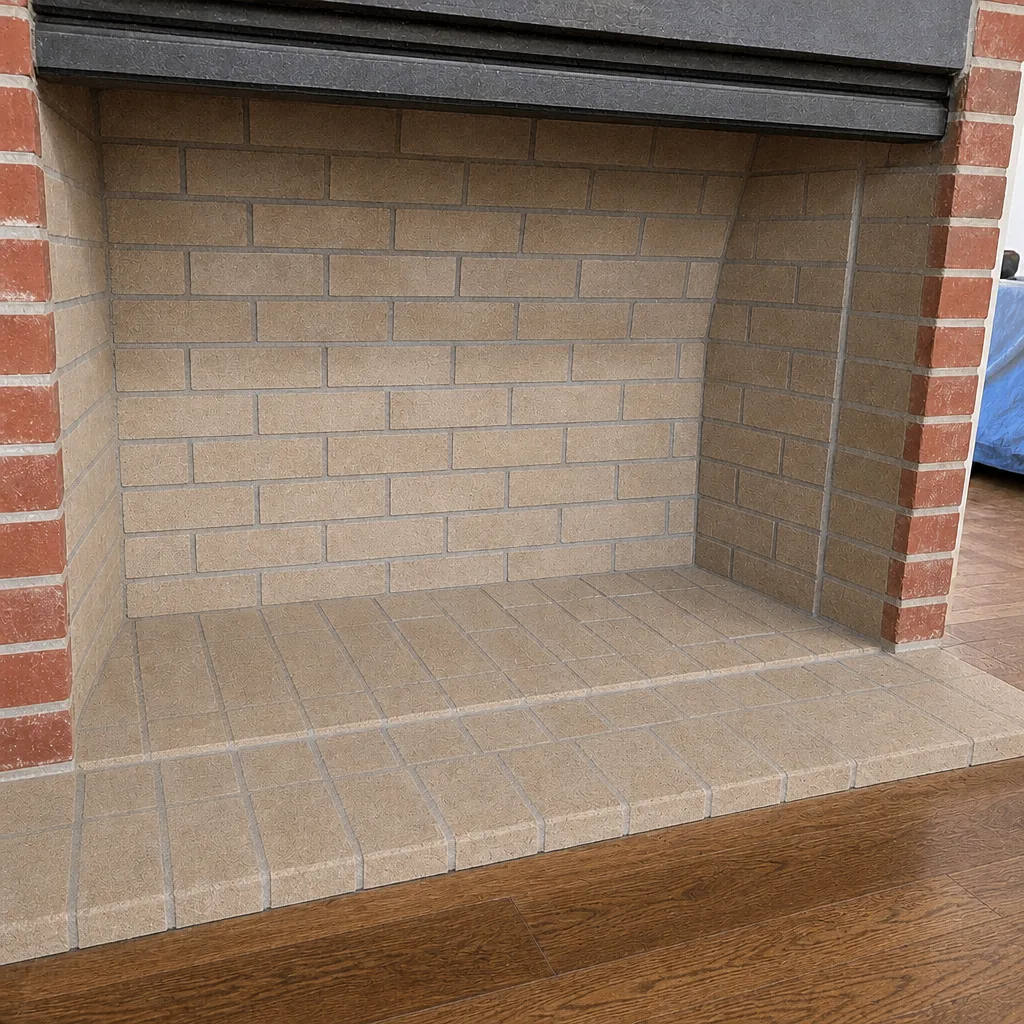
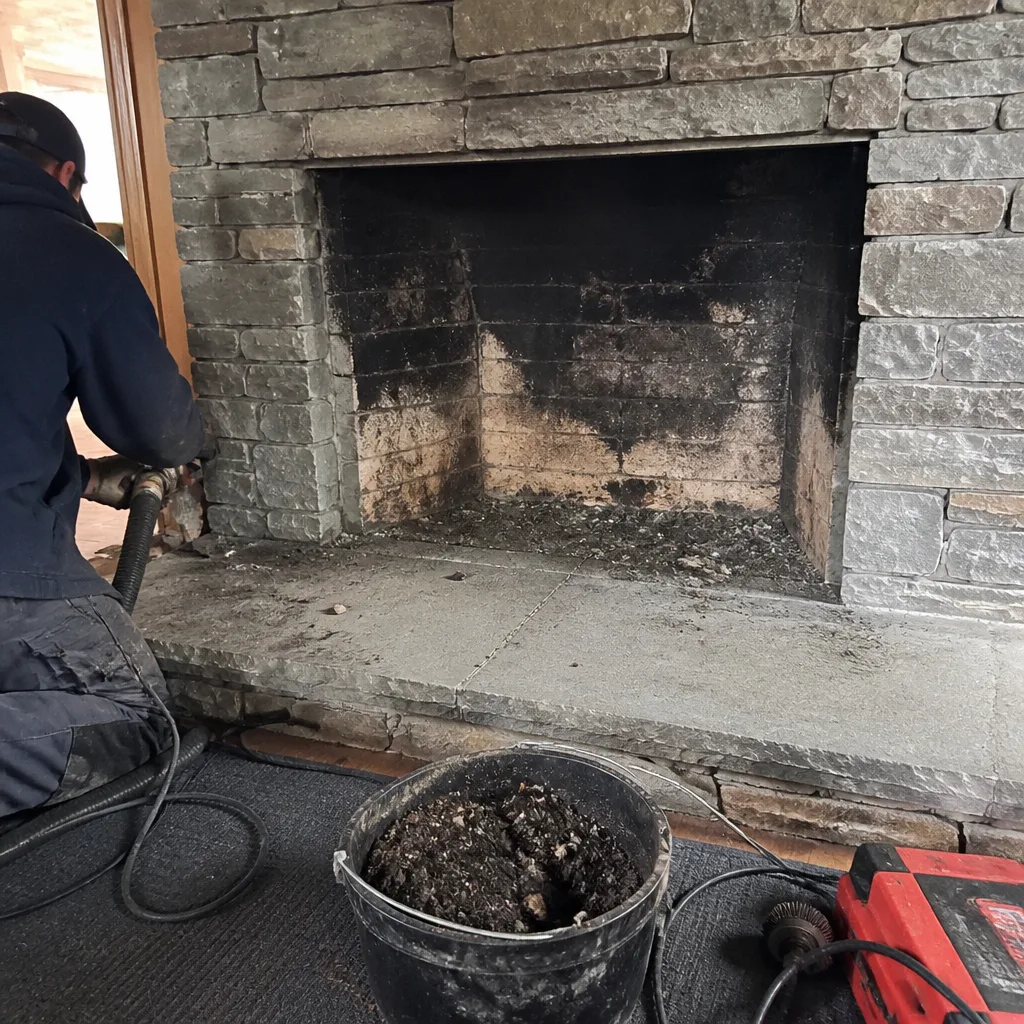
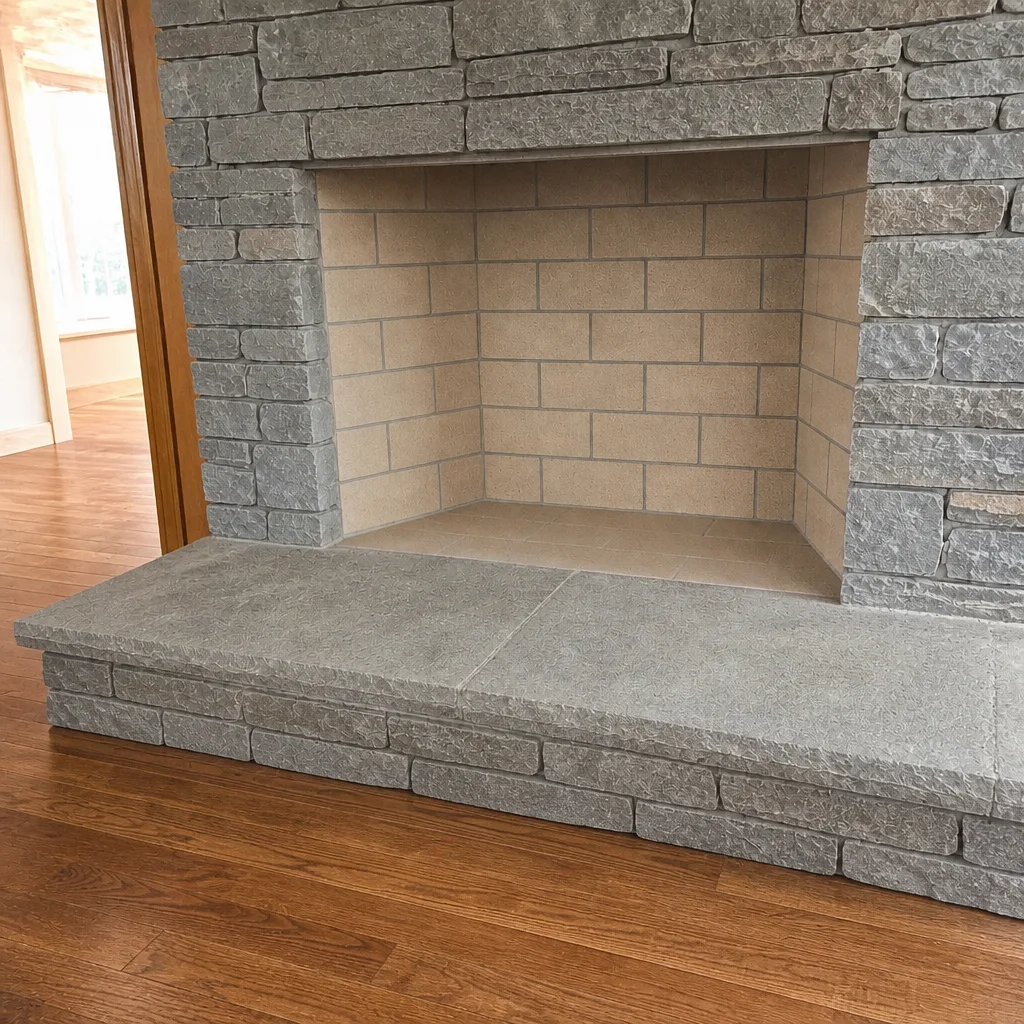
See the difference
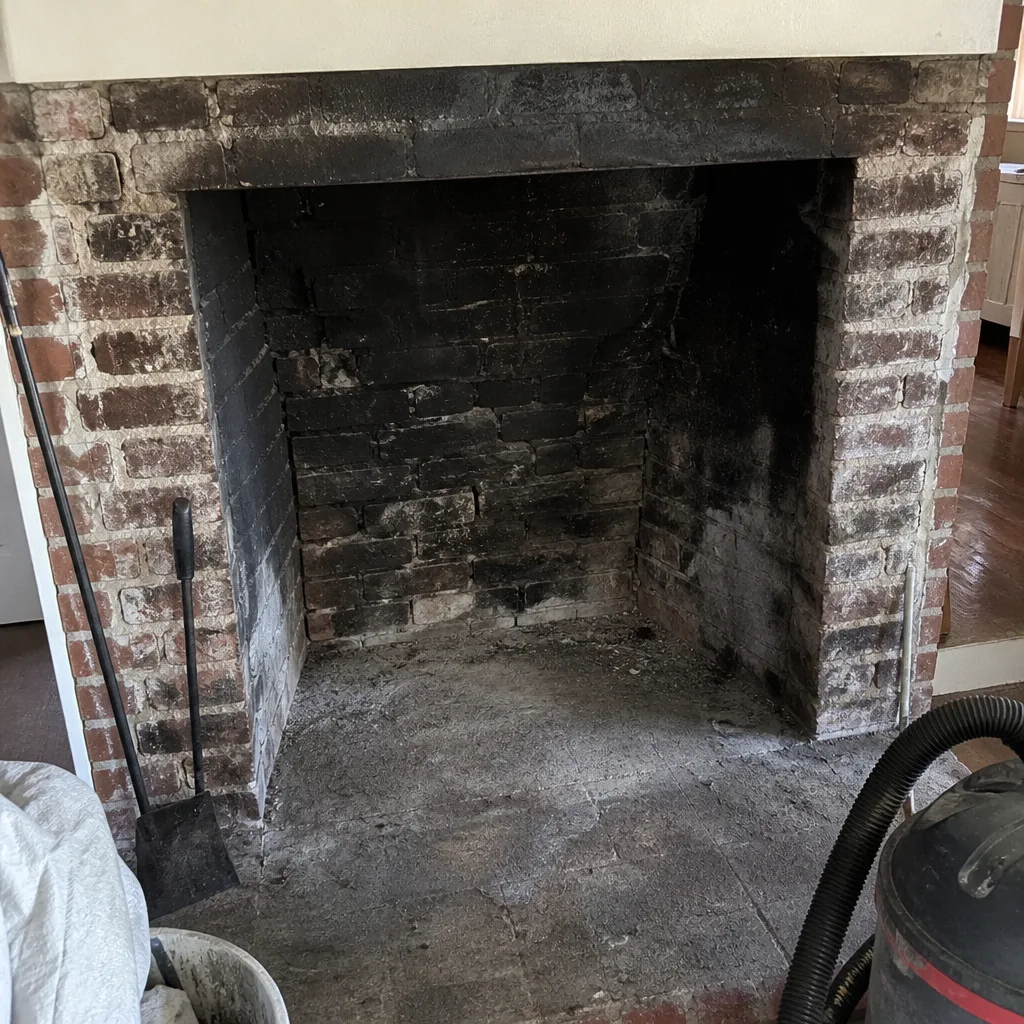 Before
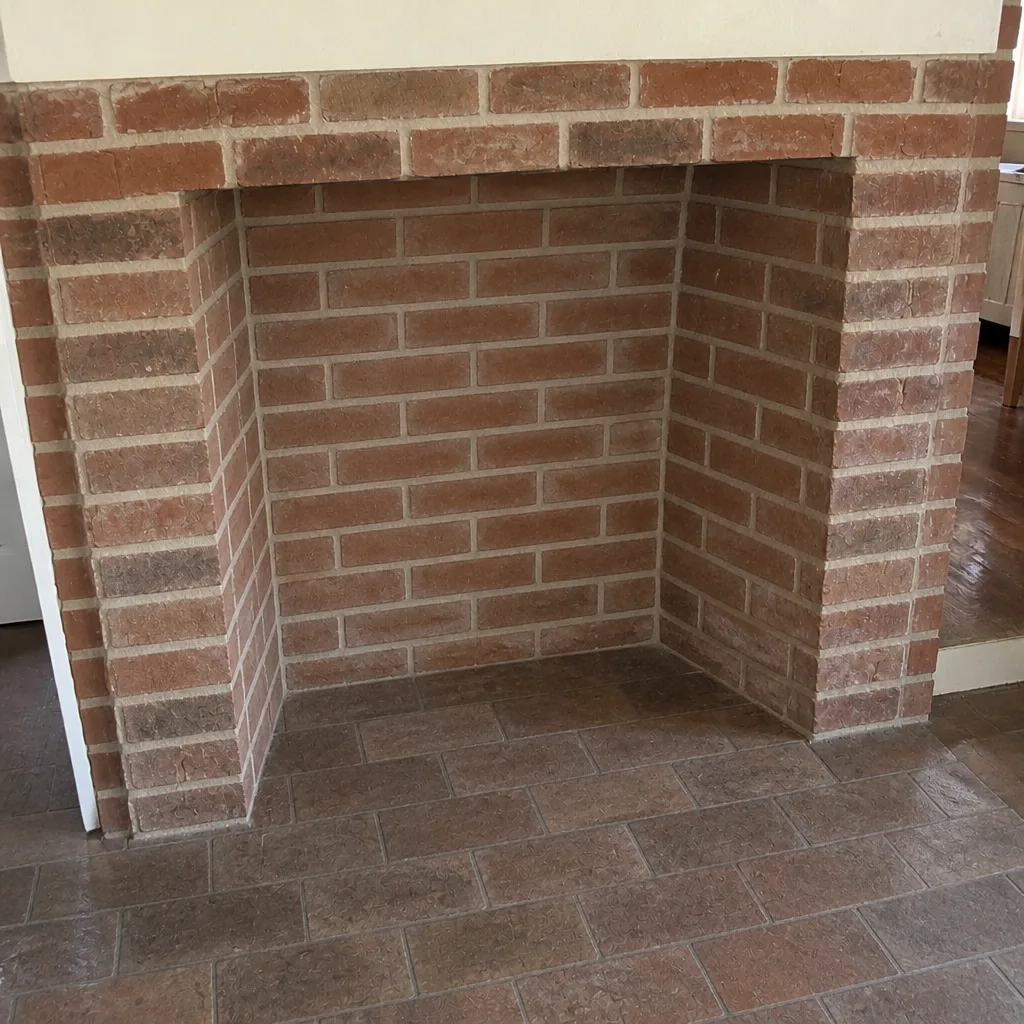 After
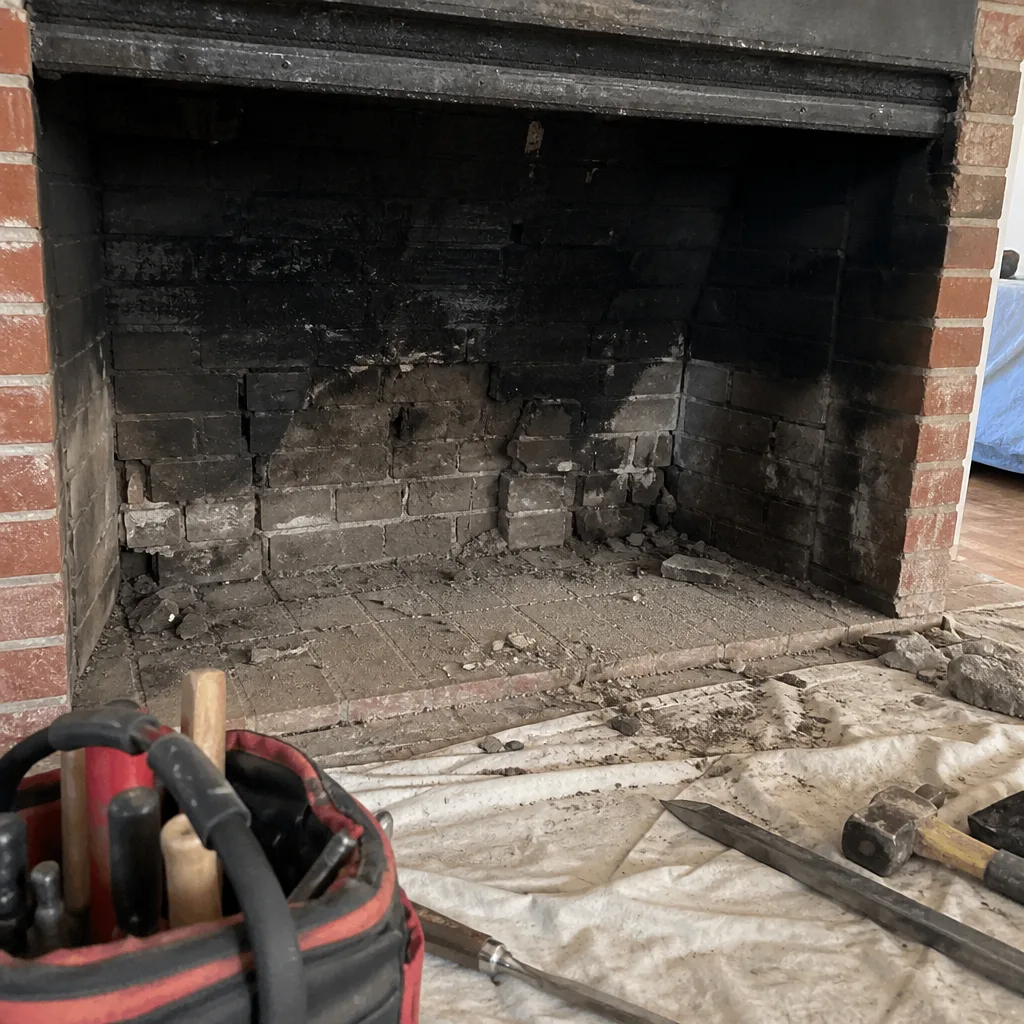 Before
 After
 Before
 After
Frequently Asked Questions
A professional chimney contractor working in Brockton should be able to name the brands for each part of the system: DuraFlex for flexible stainless relining, HeatShield for ceramic flue resurfacing, Gelco and Olympia for caps and termination covers, Famco for dampers and venting components, and Copperfield for accessories and tools. If they can’t name the product, you can’t verify the rating or the warranty. Call (877) 704-4074 for an exact quote; estimates are free.
Industry-grade means three checkable things: the product is listed to a recognized standard, it carries a stated temperature rating that matches your appliance, and it comes with readable manufacturer warranty terms. That’s how you separate a professional product from a generic alternative. Ask the contractor for the specification sheet before you book, and don’t accept “it’s professional-grade” as the answer. We’ll walk you through the materials over the phone: call (877) 704-4074 to confirm what’s going in your flue.
HeatShield resurfacing restores an existing clay flue; it is not a full reline. It’s the right choice when the clay flue is structurally sound but has cracks, gaps, or damaged joints. When the flue is compromised beyond repair or mis-sized for the appliance, the correct solution is a DuraFlex flexible stainless liner. The camera inspection is what decides between the two. Call (877) 704-4074 to get the evidence first; estimates are free.
Documented, named-brand product work supports a home’s heating-system disclosure at resale and substantiates a claim if a fireplace problem leads to an insurance claim. Insurers and buyers both want to see that the work was done to spec with recognized materials, and the manufacturer documentation proves it. Undocumented generic work is harder to stand behind. Call (877) 704-4074 before you list or file; estimates are free.
A general handyman usually cannot install a liner or apply HeatShield to manufacturer spec, because both require flue sizing, appliance matching, and specific product knowledge. An install that doesn’t match the spec can void the product warranty and leave a safety gap. Chimney work is specialized, and it’s why we sweep, inspect, and repair under one crew instead of handing you off mid-job. Call (877) 704-4074 for a free estimate.
The price is set per job by the written estimate, so the first step is a flat-price sweep agreed before booking. The visit includes a camera inspection and a photo report, giving you the evidence behind any repair recommendation. Product documentation comes with the work itself, and you keep the report and photo record. Call (877) 704-4074 for an exact quote; estimates are free.
The Bottom Line
The brand names in a chimney proposal are the part of the quote that actually tells you what your money buys. DuraFlex, HeatShield, Gelco, Olympia, Famco, and Copperfield each cover a defined part of the system, and the product choice should follow the camera inspection, not a sales script. Match resurfacing to a repairable flue and relining to one that needs replacement, confirm the listing, rating, and warranty in writing, and keep the documentation for resale and insurance. A contractor who names the brands and shows the evidence is the one to hire. Chimney Sweep Brockton offers free estimates in Brockton, and you can reach us at (877) 704-4074. We answer 24/7. Fast dispatch from 7am to 7pm, Sunday through Friday.
Written by the team at Chimney Sweep Brockton.