
Last updated November 16, 2026
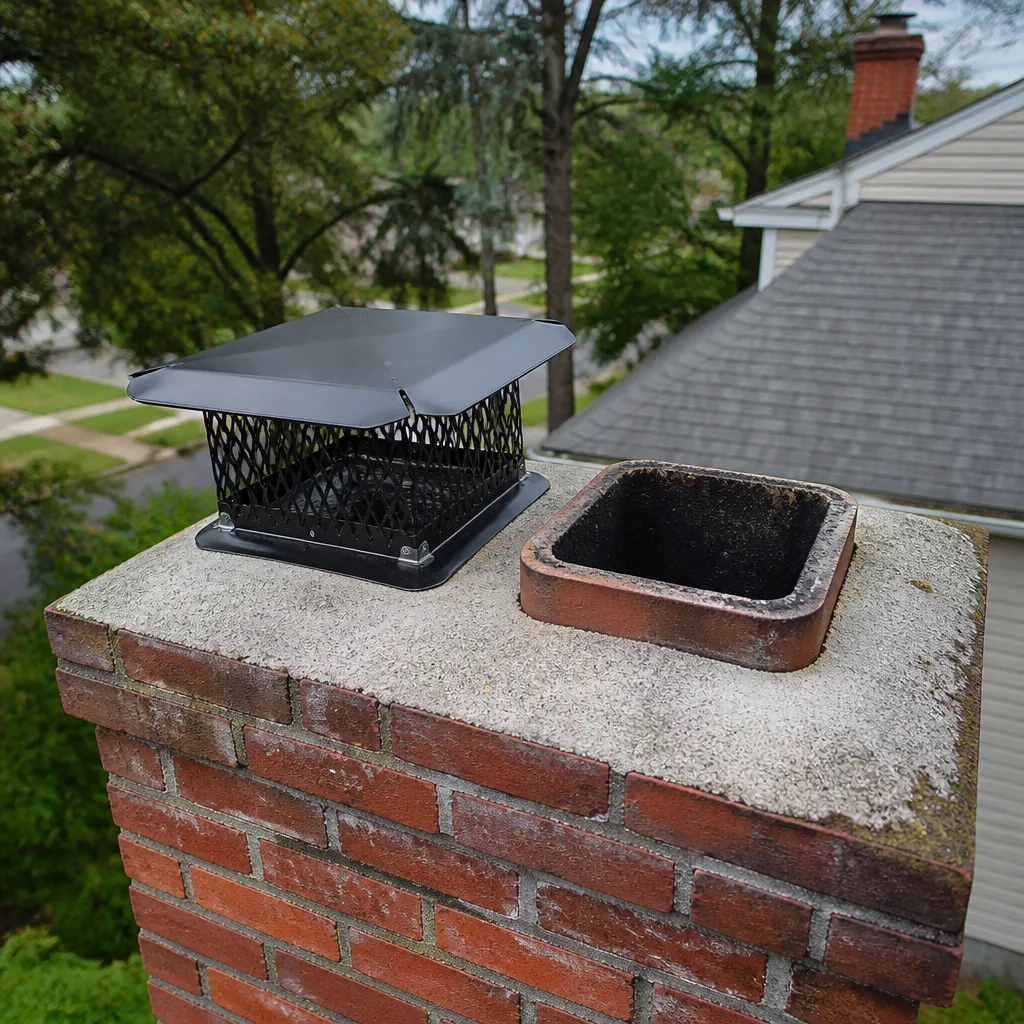 Sweep & inspection
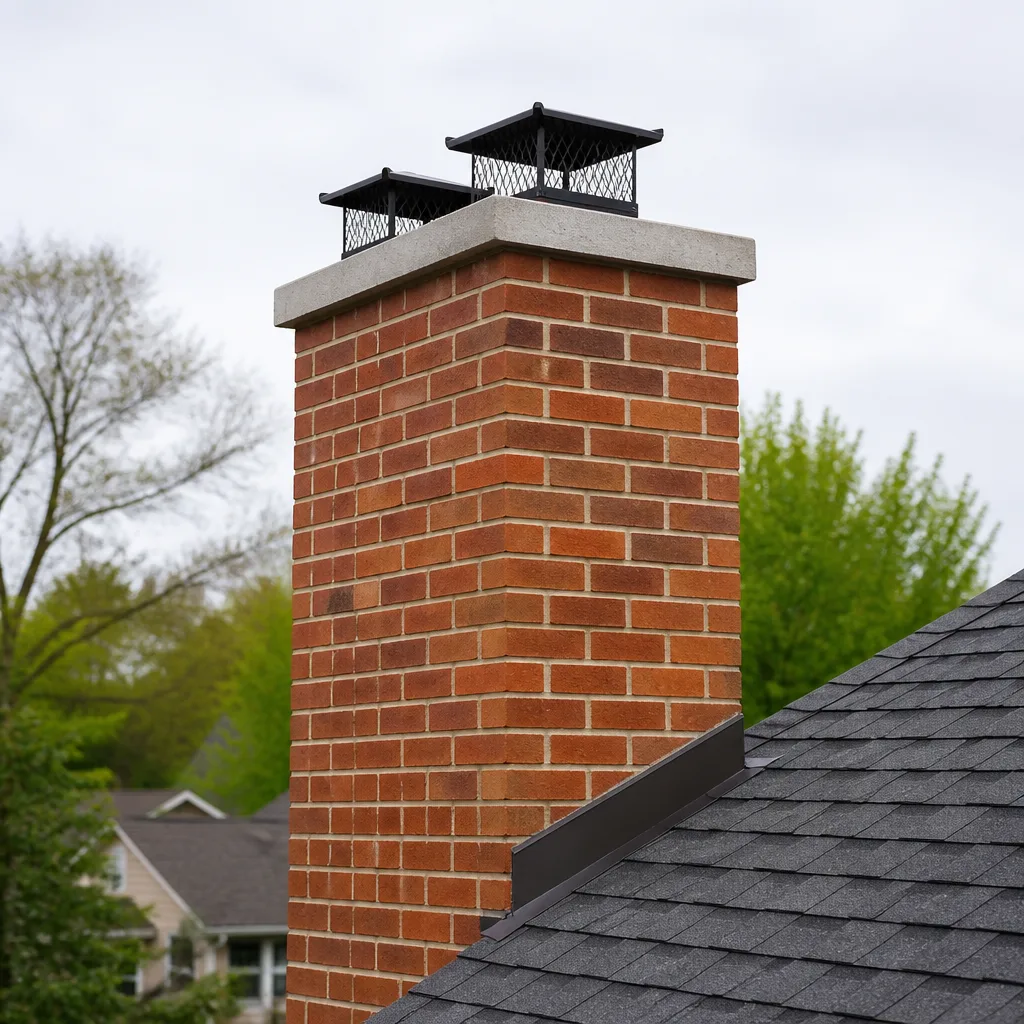 Caps & crowns
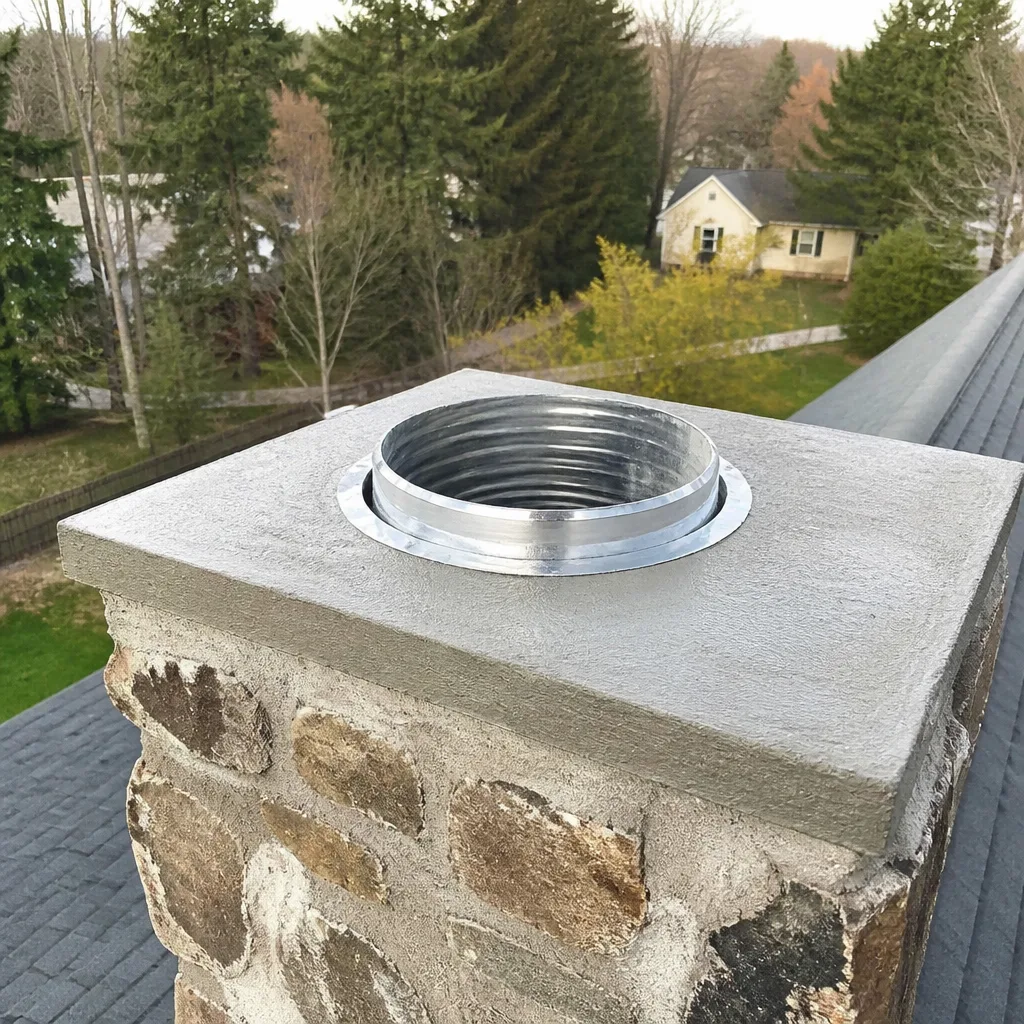 Flue relining
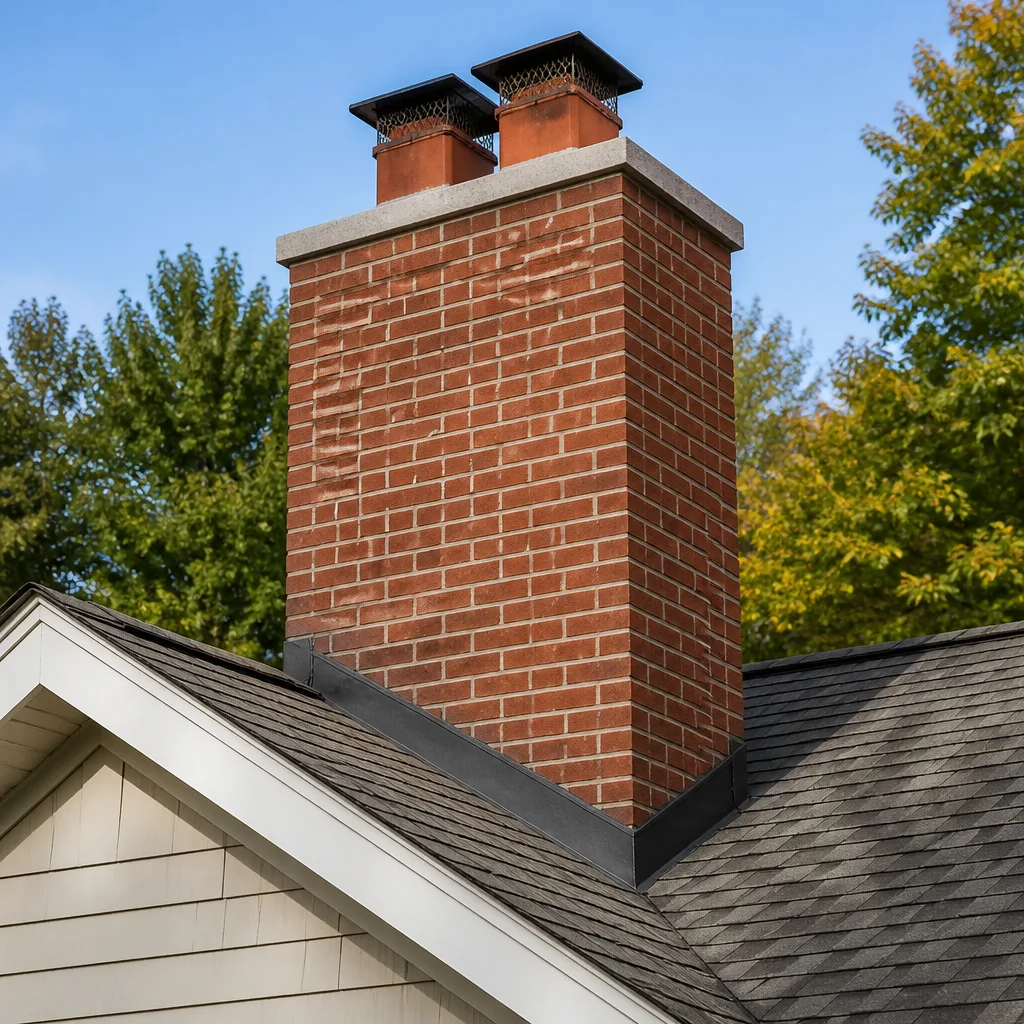 Masonry repair
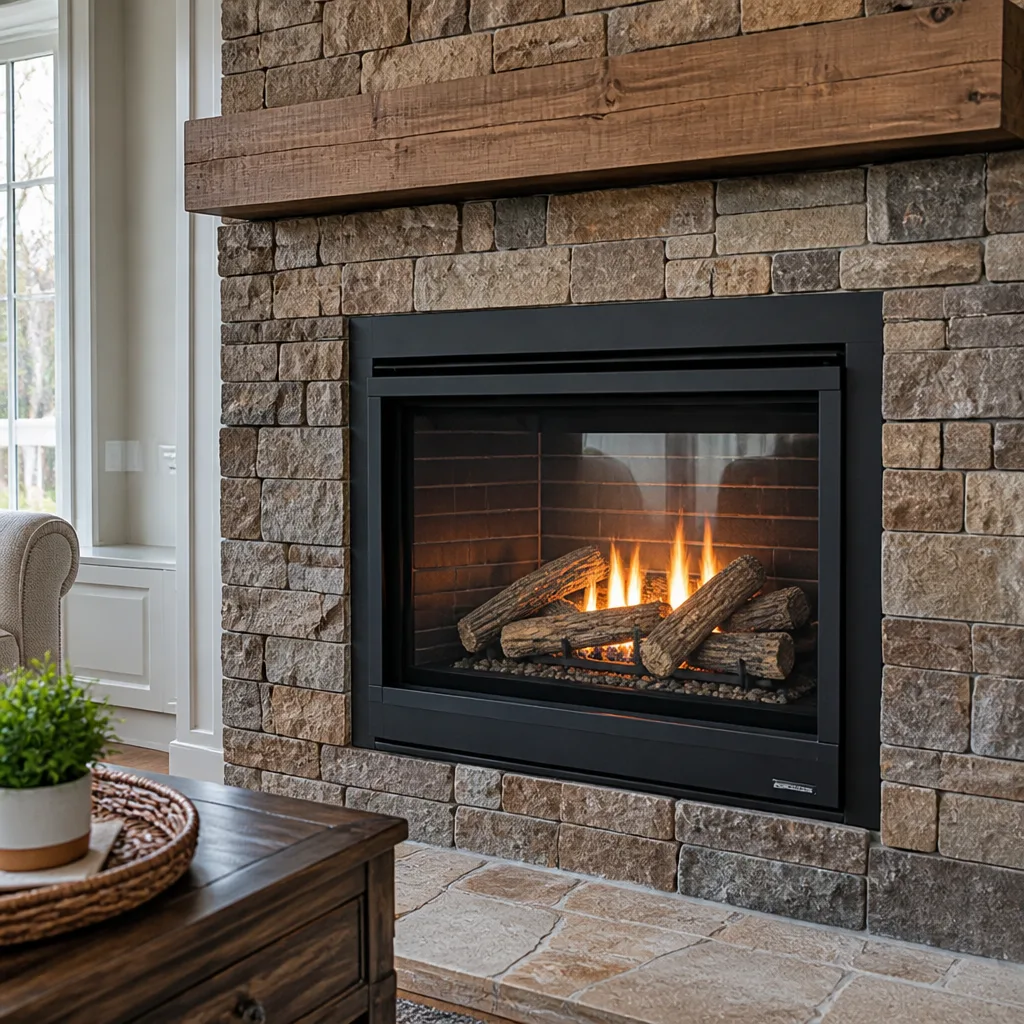 Gas fireplace service
Level 1 sweep and inspection to the NFPA 211 annual standard - flue, crown, cap, and flashing checked and photographed
Chimney sweep logs do not sweep chimneys. They loosen some creosote - which then falls where a brush and vacuum still have to collect it.
Chimney Sweep Maintenance Schedule: What to Do and When
Most homeowners assume one annual sweep covers everyone. It doesn’t. The NFPA 211 standard behind that advice assumes average use, and plenty of Brockton households burn well past average through a New England winter. If you load your wood stove most nights, or your fireplace carries real heat instead of just ambience, that yearly checkbox is already behind schedule. The right maintenance timeline depends on three things: what you burn, how often, and what your flue is made of. This guide lays out a usage-tiered schedule built around how Brockton homes actually heat, then walks through seasonal timing, what to inspect between visits, and how liner material changes everything.
Quick Answer
Chimney sweeps are based on usage, not just the calendar. Light use (occasional fires) usually needs one annual sweep and inspection. Moderate use (several fires a week through the heating season) usually needs a sweep at the start of the season and a mid-season check. Heavy use (wood as a primary heat source) can need sweeping every two to three months. Every chimney, regardless of fuel, should be inspected once a year. In Brockton’s climate, schedule your inspection in late summer or early fall, before the heating season begins.
Styles & brands we work with
- Sweep & inspection
- Caps & crowns
- Flue relining
- Masonry repair
- Gas fireplace service
Table of Contents
- Usage Tiers: Which Schedule Fits Your Home?
- Brockton’s Seasonal Timing: Why September Beats December
- What to Check Between Professional Visits
- How Your Liner Material Changes the Timeline
- The Maintenance Tasks That Protect Your Warranty
- A Year in the Life of a Well-Maintained Chimney
- What Maintenance Typically Costs in Brockton
Usage Tiers: Which Schedule Fits Your Home?
The national standard says inspect annually, and that’s a good floor. But a floor isn’t a schedule. The rate at which creosote builds in a flue tracks directly with how much fuel you burn and how hot it burns. Here in Brockton, we work with three broad tiers, and most homes slot cleanly into one.
Light use: occasional fires
One to two fires a week through the colder months, mostly for atmosphere. This is the classic annual-inspection household. One sweep and inspection each year ahead of the season is usually enough, with a look at the flue whenever anything seems off.
Moderate use: weekly burns
Three to five fires a week from fall through spring, or a fireplace that genuinely warms the main room. Here we recommend a cleaning at the start of the season plus a check midway through. Creosote accumulates measurably over a load-heavy winter, and catching it in December is far cheaper than discovering it in March.
Heavy use: wood as a primary heat source
If your stove, insert, or fireplace does the heavy lifting for heat between November and April, you’re well past average. That’s a home that may need sweeping every couple of months. The key is watching for the early signs: a thinner smoke plume, a lazier draft, or a visible glaze on the flue walls when you peer up from the firebox.
Whatever tier you’re in, the inspection stays annual. Cleaning intervals stretch and shrink with use, but the yearly look-inside is what keeps a small problem small. Original brick chimneys with clay tile liners vary season to season and reward an early booking – that’s the topic our chimney sweep page covers in more detail.
Brockton’s Seasonal Timing: Why September Beats December
The single most useful timing shift you can make is to move your inspection from December back to late September. Here’s why it matters in this climate specifically.
Brockton winters are long and cold, and the heating season genuinely starts in October. A chimney that’s swept in late September gets checked, cleared, and readied before the first serious cold snap. A chimney that gets noticed in December usually gets noticed because something failed: a draft that won’t draw, a smoky fire, or a smell that won’t leave the house. That’s reactive rather than preventive, and it often means waiting for a booked appointment while the fireplace you rely on sits cold.
Seasonal timing also affects how the work goes. In our experience, late summer and early fall are when the weather cooperates and access to the roof and cap is simplest. By the time December arrives, the calendar fills up fast, and a chimney that needed a simple sweep may turn out to need a repair that can’t happen until the weather breaks.
There’s a second, quieter reason. Creosote that forms through a cold snap is worse than creosote that forms in milder weather, because a slow, smoldering fire produces more of the sticky, glazed kind than a hot, clean burn does. Coming into the season with a clean flue lets you burn hotter and cleaner from the first fire. Setting the season up right, also covered on our page about Brockton chimney care, is part of the same logic.
A quick calendar to work from:
- Late September / early October: annual inspection and pre-season sweep for every tier.
- January (moderate and heavy use): mid-season check-in, especially if you’ve burned hard.
- After the season ends: a look at the exterior, cap, and crown before summer weather gets to them.
What to Check Between Professional Visits
A professional visit is thorough, but it’s not a substitute for a homeowner’s eye between appointments. You can catch a lot from ground level without climbing anything. Do this a few times a year, always from safely on the ground with binoculars or a zoomed-in photo.
Here’s what to look at:
- The crown. That’s the angled concrete cap at the very top of the masonry. Look for cracks, crumbling, or a crown that’s separated from the chimney. A cracked crown lets water in, and water is the single biggest cause of masonry decline in a New England chimney.
- The cap. The metal cover that keeps rain, snow, and animals out of the flue. Check it’s sitting flat, not bent, rusted through, or missing. A displaced cap is an open door for birds and squirrels, and for water.
- The flashing. The metal where the chimney meets the roof. Look for lifting, gaps, or places where the roof covering has pulled away. Water stains on the ceiling near the chimney are a sign the flashing needs a look.
- The masonry faces. Spalling mortar joints or crumbling brick courses, especially on the side facing prevailing weather. You’ll see it from the driveway.
- The firebox and flue throat. From inside, look for a much smaller or less clean-looking opening than usual, or a damp, ashy smell even when the fire is out.
None of this is a repair list. It’s a watch list. If something on it looks wrong, that’s your cue to call, and the sooner the better. A fifteen-minute ground inspection in October can save you a frozen, water-damaged chimney in February.
How Your Liner Material Changes the Timeline
Two chimneys right next to each other on the same street can need entirely different schedules, because the material inside the flue decides how quickly creosote sticks. This is one of the most misunderstood parts of chimney maintenance, and it’s where a lot of generic advice breaks down.
Clay tile liners
The traditional original liner in older Brockton homes. Clay tile performs well when it’s sound, but it cracks over time, and when it cracks, creosote and moisture find the gaps. That means clay-tile chimneys benefit from closer inspection and a careful sweep, especially if the tiles are decades old.
Stainless flexible liners
A stainless liner is smoother and its joints are less forgiving of creosote buildup, but it’s also more predictable. We install and service DuraFlex flexible flue liner systems, and one thing they reward is regular cleaning with the right brush, because the smooth surface means creosote is easier to sweep out before it hardens. A heavy-use home with a stainless liner can still stay on a clear cleaning schedule without the heat-fatigue worries of aging clay.
HeatShield-coated flues
HeatShield is a specialist resurfacing system applied to the inside of an existing flue. When a flue has been resurfaced with it, the new smooth surface changes how creosote builds: fewer rough spots to grab onto, and a cleaner sweep. It also gives you a verifiable record of what happened inside the flue, which is worth having when you’re watching a schedule over years. By contrast, a flue that has never been assessed is a wild card – that’s the structural side of the job our chimney repair page deals with.
The takeaway is simple: the calendar isn’t the whole story. Know what your flue is made of, and the schedule writes itself.
The Maintenance Tasks That Protect Your Warranty
A surprising number of chimney product warranties hinge on routine maintenance being kept up. Skip the routine, and the coverage you assumed you had may not hold when you need it. This matters most for installed parts: liners, caps, and terminations.
What the schedule has to protect:
- Sweeping on a regular interval. Creosote left to bake onto a liner is a maintenance failure, not just a fire hazard, and many liner warranties account for it. DuraFlex and similar systems expect proper cleaning.
- Keeping the cap intact. A damaged or missing Gelco or Famco cap that lets water and animals in can undo the reason the chimney was capped in the first place. Check it at the same time as your route inspection.
- Not letting water sit in the flue. A failed crown or flashing lets moisture into the system, which degrades both clay and stainless. Drying the flue out and fixing the source is part of routine care.
- Annual inspection records. Keep a simple file: dates, what was done, and the findings. It protects you later, and it gives any installer or repairer a history to work from.
When a cap or termination needs replacing, sourcing from established chimney supply brands matters – Copperfield and Olympia Chimney components are the kind we work with, so a worn cap gets replaced with the right part rather than the closest fit. Sweep, inspect, repair, all under one operation, means your maintenance record lives in one place instead of being scattered between a sweep and a separate repair contractor.
A Year in the Life of a Well-Maintained Chimney
It’s easier to picture a schedule as a running sequence than a checklist. Here’s how a typical year plays out for a moderate-use Brockton home with a fireplace that gets lit most evenings from October through March.
- Late September. Pre-season sweep and annual inspection. The flue gets cleaned, the cap and crown get a look, and any finding gets noted before the cold sets in.
- October. First burns. Watch the draft and the smoke plume. A clean flue should draw smoothly and burn without a lazy, smoky haze.
- December. Mid-season check-in if usage has been steady. From the ground, confirm the cap is still seated and nothing’s changed up top.
- February. The heaviest stretch of the season in this climate. If you’ve burned through a lot of wood, this is the point where the flue is working hardest and warrants a close look.
- April or May. Season-end external review. Look at the crown and flashing before the spring rain and summer heat have a chance to work on a problem.
- Summer. Book the next inspection. The best value comes from getting on the schedule before the fall rush.
That’s the shape of it. Nothing dramatic happens to a chimney kept on a schedule – which is the entire point. The dramatic things only happen to the ones that aren’t.
What Maintenance Typically Costs in Brockton
Cost is per job, set by a written estimate, and the estimate itself is free. We don’t quote a single number because a light-use sweep and a heavy-use home with aging clay tile aren’t the same job. What we can tell you is what drives the price up or down.
- The sweep and inspection themselves are the routine cost, and it’s the number most homeowners are focused on.
- Usage tier and flue condition add time and tools – a heavy-use home with hardened creosote takes longer than a lightly used flue.
- Repairs found during inspection are quoted separately, only when there’s a real issue, and nothing is recommended without a photo and a clear explanation of what’s wrong.
- Liner material changes what the job involves: clay tile rewards a careful sweep, while a stainless or HeatShield-resurfaced flue is a more straightforward clean. Either way, the estimate tells you exactly what’s included.
If you’re weighing a repair against a full replacement, the honest answer comes from a look down the flue, not a phone guess. A camera inspection and a written report tell you what actually needs doing. Sometimes work can safely wait; sometimes it can’t. You’ll know which before you spend anything beyond the estimate.
Common Mistakes to Avoid
- Treating “annual” as the whole rule. Annual inspection is the floor, not the ceiling. A heavy-use chimney that only gets a yearly sweep is under-maintained, and creosote doesn’t wait.
- Booking in December. In Brockton, the fall rush means a December booking often becomes a January appointment. Late September gets you ahead of the cold and any repair window.
- Judging the flue by the fire. A fire can look fine while a cracked clay tile behind it goes unnoticed. A look inside, not a look at the flames, is what reveals the flue’s condition.
- Ignoring the crown until water shows up inside. By the time a ceiling stain appears, the masonry has already absorbed water. A ground-level look in October beats a repair bill in February.
- Assuming a recent install means no maintenance. A new liner still needs cleaning and watching. Warranty coverage usually depends on it.
- Getting repairs from a different trade. A general handyman can clean a flue but can’t properly assess a liner or a crown. Chimney work belongs with chimney people.
- Keeping no record. A simple log of dates and findings is worth more than the paper it’s on when a warranty question comes up.
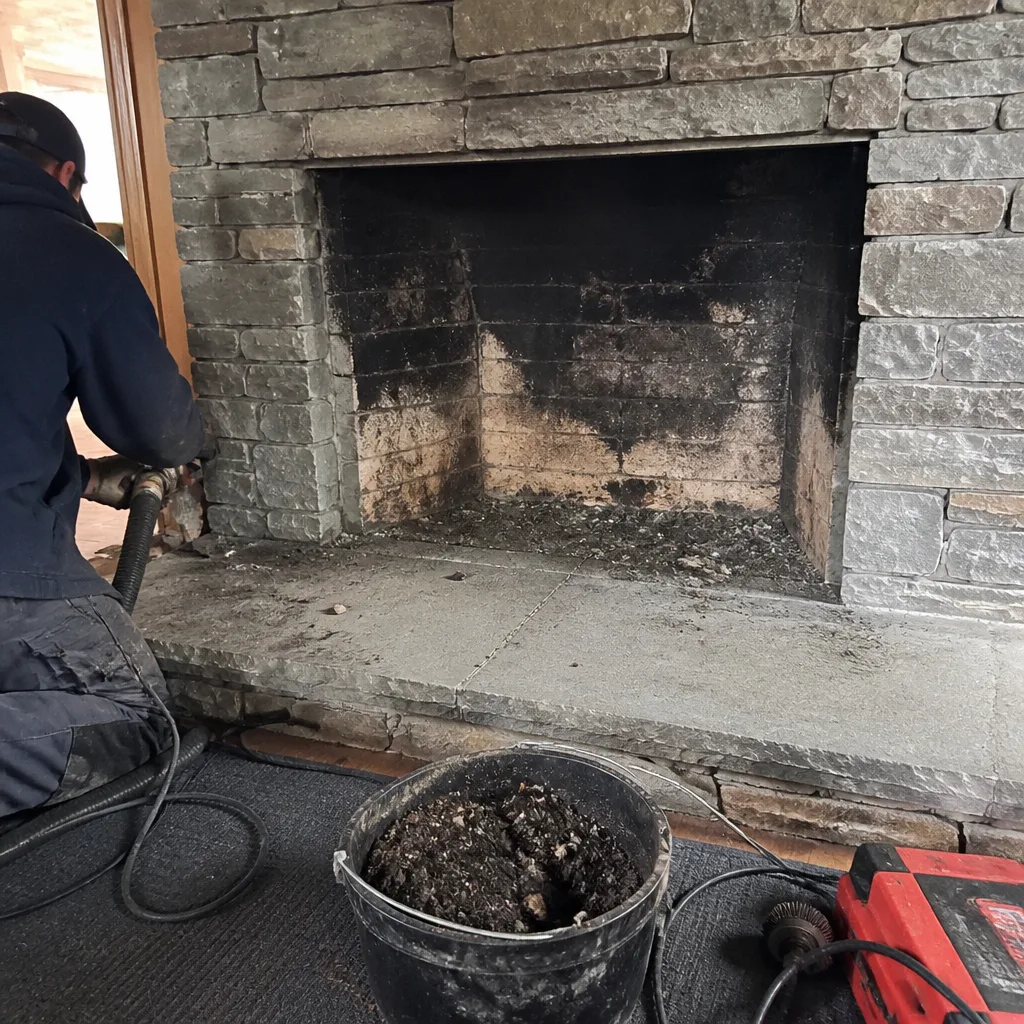
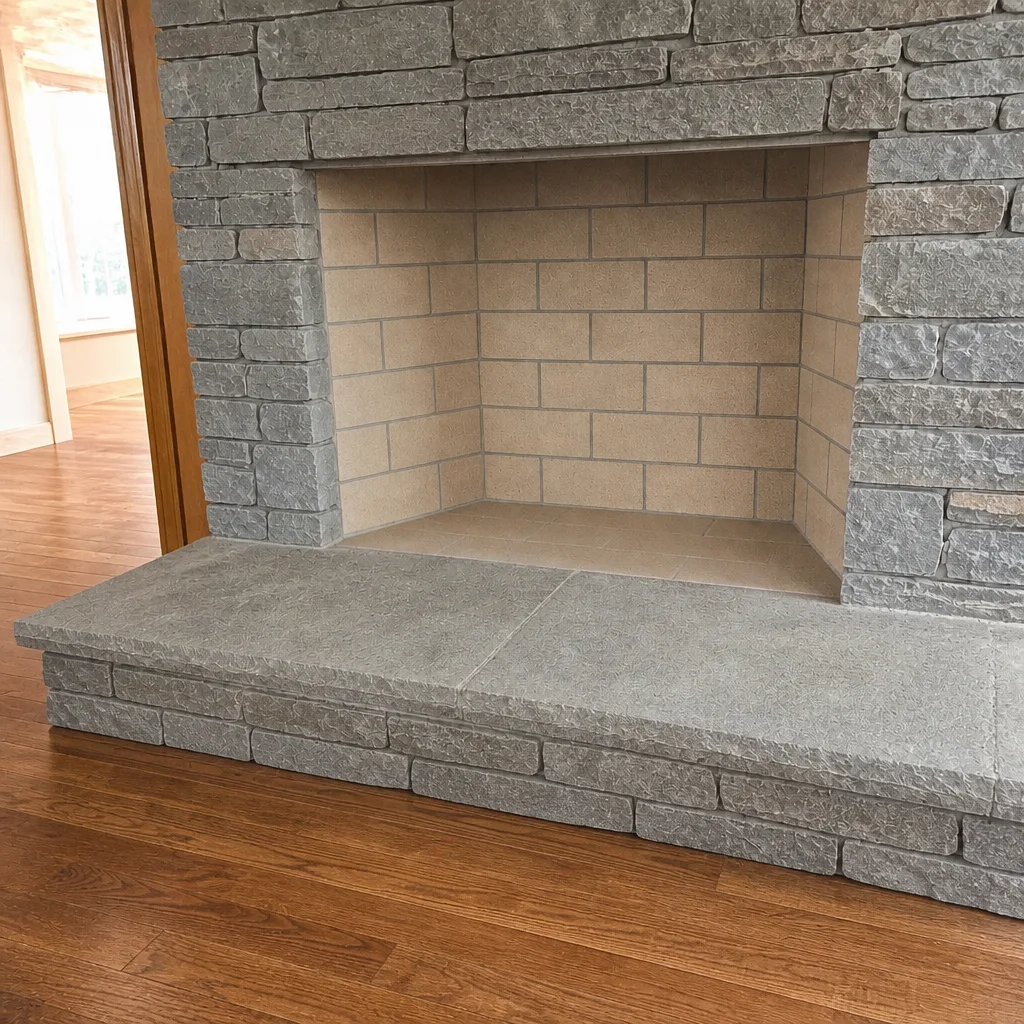
See the difference
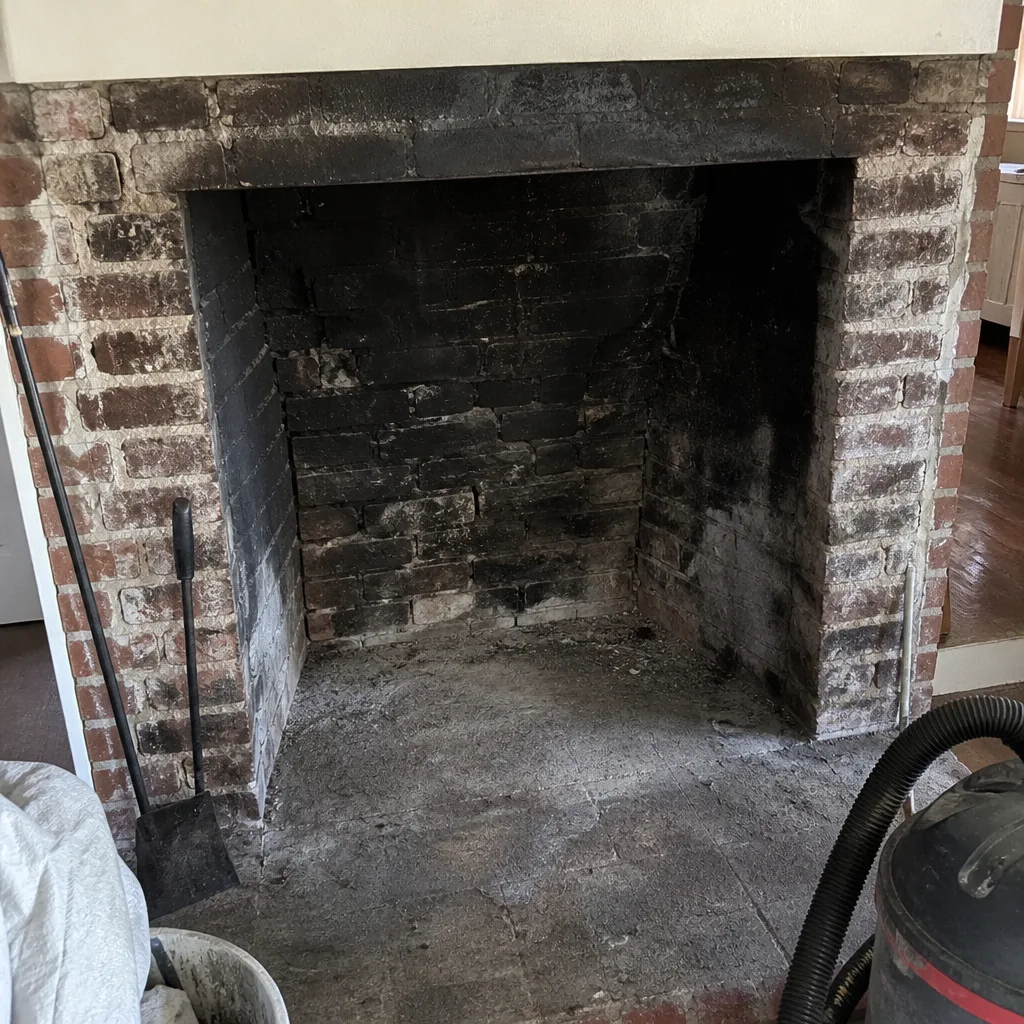 Before
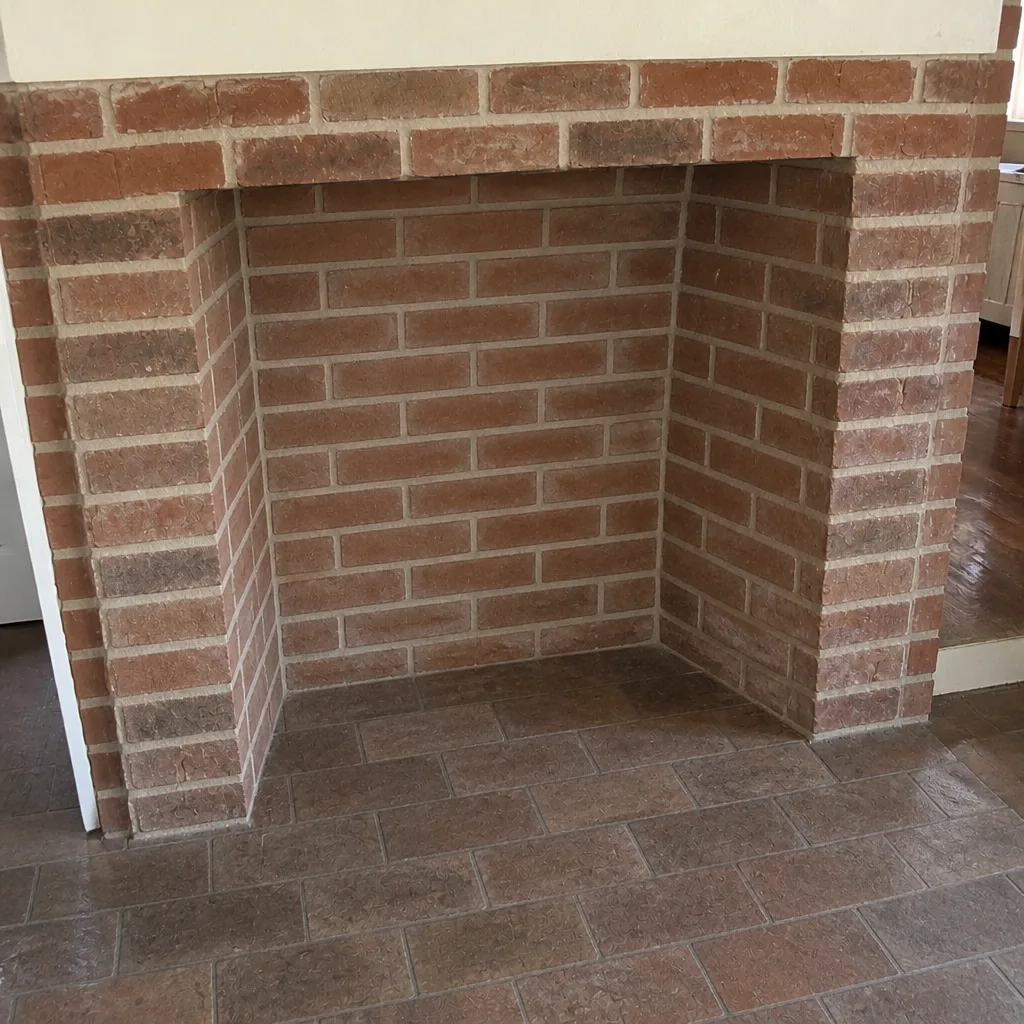 After
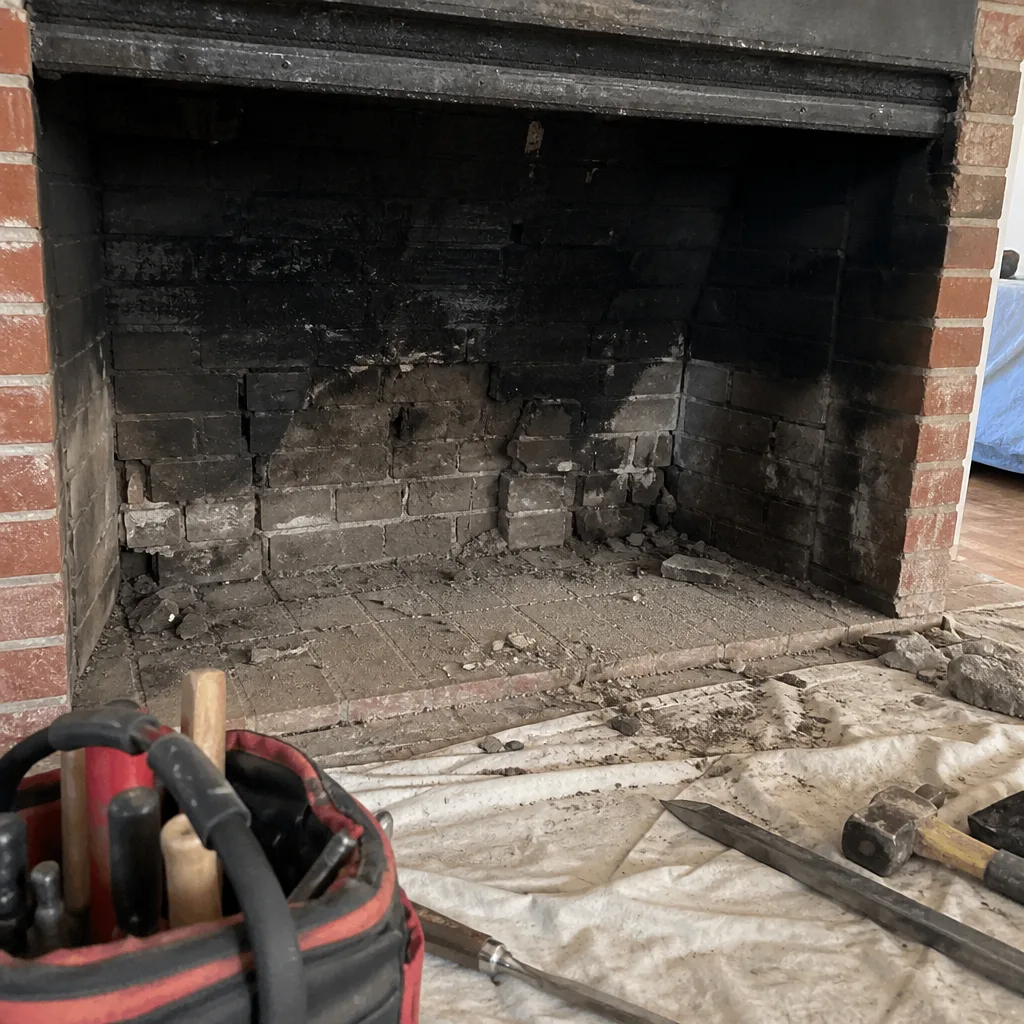 Before
 After
 Before
 After
When to Call a Professional
Call when something changes, not only when the calendar says so. If you see a smoky fire on a cold morning, a draft that’s grown lazy, a smell that lingers even when the fireplace is cold, visible damage on the crown or cap from the ground, water staining near the chimney, or creosote glaze inside the firebox, that’s a job for a trained eye rather than another log on the fire. The same goes for a chimney that hasn’t been inspected in years, or one whose history you don’t know since buying the house. Our technicians have up to 9 years of experience with chimney systems, and Chimney Sweep Brockton offers free estimates in Brockton – call (877) 704-4074. We answer 24/7. Fast dispatch from 7am to 7pm, Sunday through Friday.
Frequently Asked Questions
It depends on usage. Light use (occasional fires) usually means one annual sweep and inspection. Moderate use (weekly burns through the heating season) usually means a pre-season sweep plus a mid-season check. Heavy use (wood as a primary heat source) can warrant sweeping every two to three months. Every chimney should still be inspected once a year. Call (877) 704-4074 for an exact quote – estimates are free.
Cost is per job, set by a written estimate, and the estimate is free. The price depends on your usage tier, flue condition, liner material, and whether an inspection turns up a repair. Nothing beyond the routine sweep is quoted without a clear explanation. Call (877) 704-4074 for an exact quote – estimates are free.
Only if the inspection shows the existing liner is failing, and a good technician will show you why rather than tell you. A cracked clay tile, a gap at a joint, or a flue that’s lost its protective surface can mean a liner is the right answer. Many chimneys get through a full inspection without needing one. Call (877) 704-4074 for an exact quote – estimates are free.
Creosote builds up quietly, and heavy buildup is the fuel for a chimney fire. Moisture from a failed crown or cap works its way into the masonry. Neither shows up as a dramatic warning until it’s already a repair. Keeping to the schedule is what prevents both. Call (877) 704-4074 for an exact quote – estimates are free.
Yes, in this climate. Late September gets you ahead of the heating season and before the fall booking rush, so any repair has time to happen before the cold settles in. A December inspection usually catches a problem that’s already interfered with your heat. Call (877) 704-4074 for an exact quote – estimates are free.
Clay tile rewards careful, regular sweeping because cracks and gaps catch creosote. A smooth stainless liner like DuraFlex, or a flue resurfaced with HeatShield, tends to clean more predictably and lets creosote sweep out before it hardens. In every case the annual inspection is what confirms the flue’s real condition. Call (877) 704-4074 for an exact quote – estimates are free.
The Bottom Line
The right chimney maintenance schedule isn’t one size fits all. It follows your usage, your fuel, and the material inside your flue. Sweep to your tier, inspect every year regardless, and in Brockton, book that inspection in late September rather than December. Watch the crown, cap, and flashing from the ground between visits, and keep a simple record of what’s been done. The brands in your chimney matter too – DuraFlex, HeatShield, Gelco, Famco, and Copperfield are the kinds of recognized components that make the work verifiable. From firebox to cap, Chimney Sweep Brockton handles the sweep, the inspection, and the repair as one operation.
Call (877) 704-4074 for a free estimate. We answer 24/7. Fast dispatch from 7am to 7pm, Sunday through Friday.
Written by the team at Chimney Sweep Brockton.