
Last updated November 16, 2026
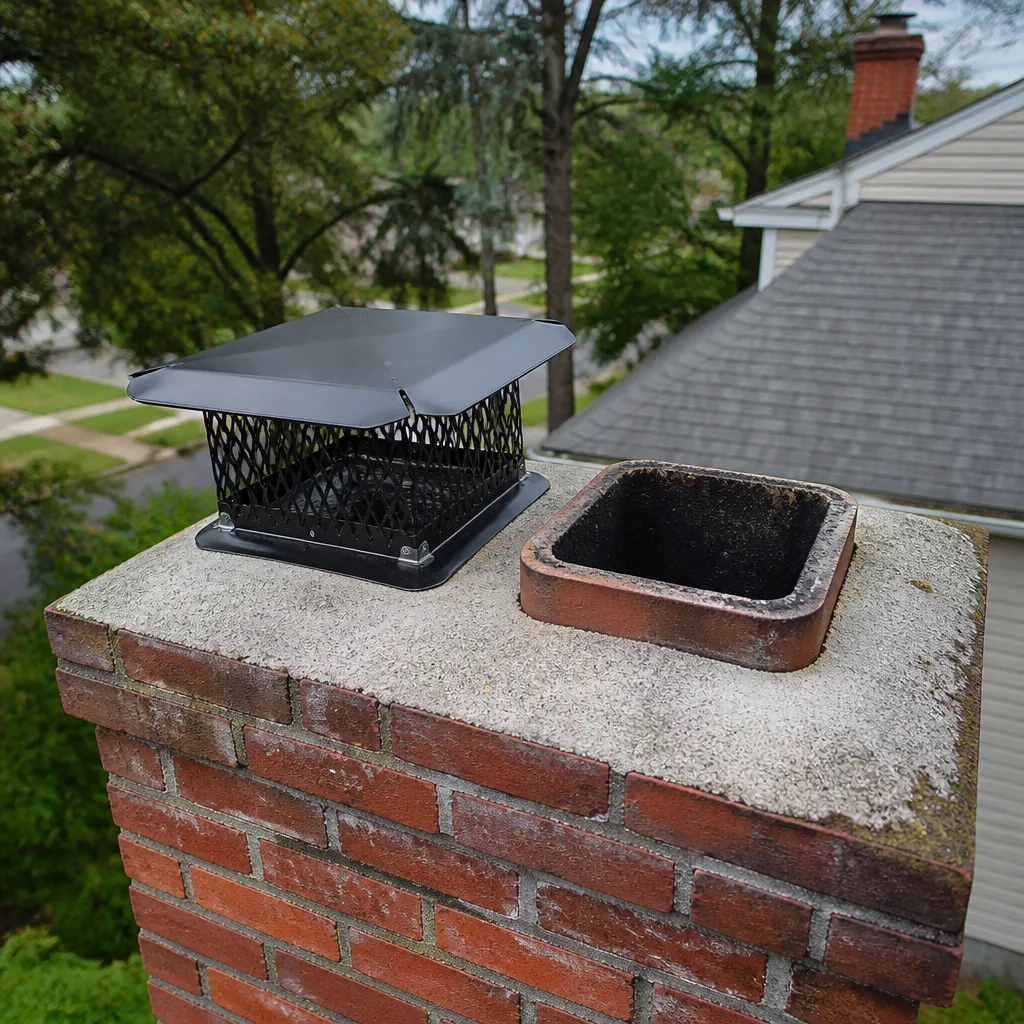 Sweep & inspection
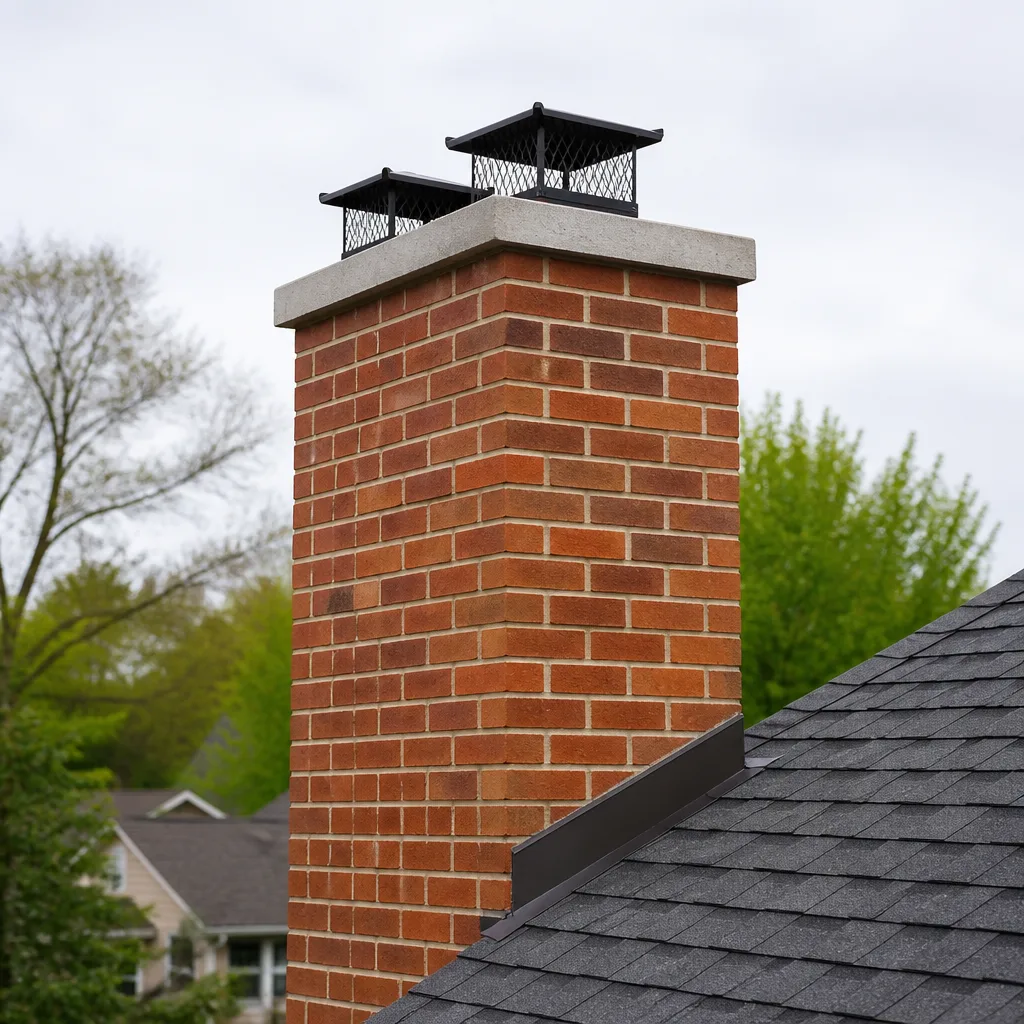 Caps & crowns
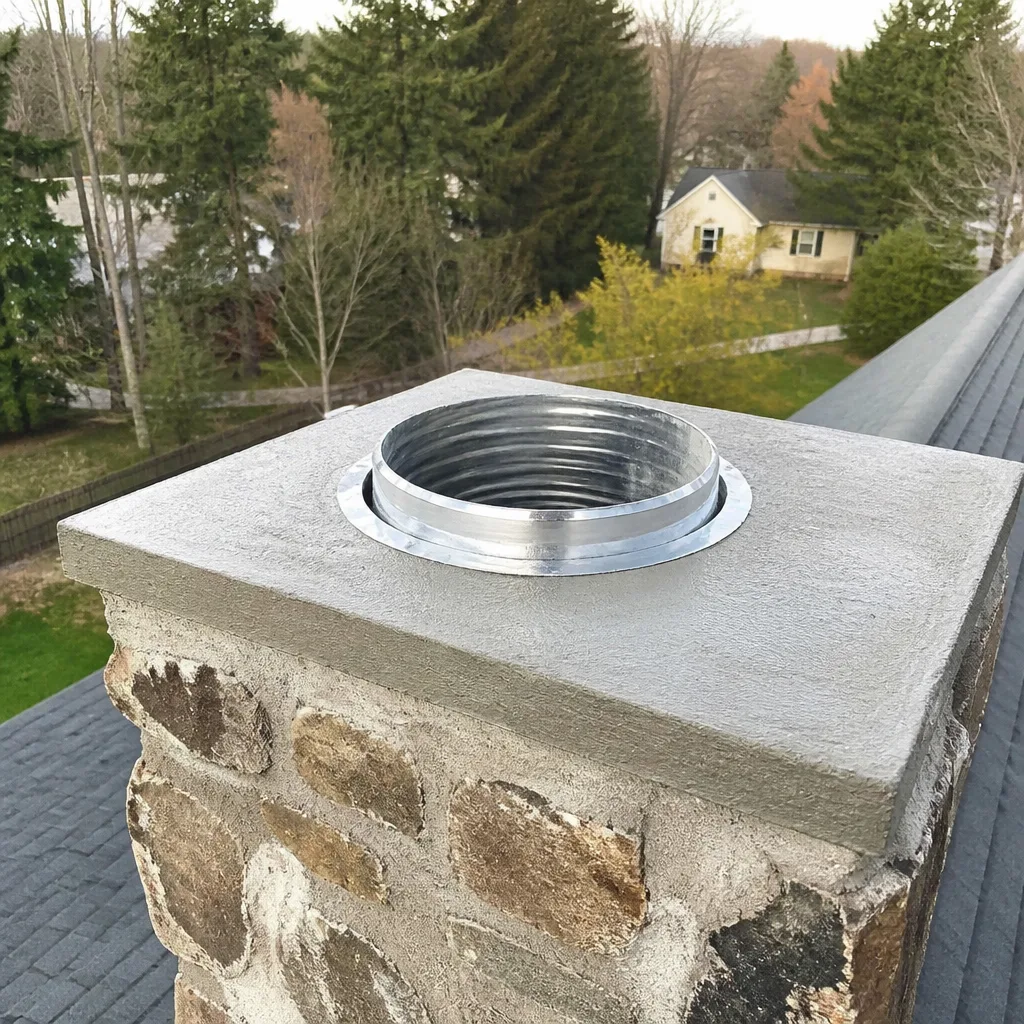 Flue relining
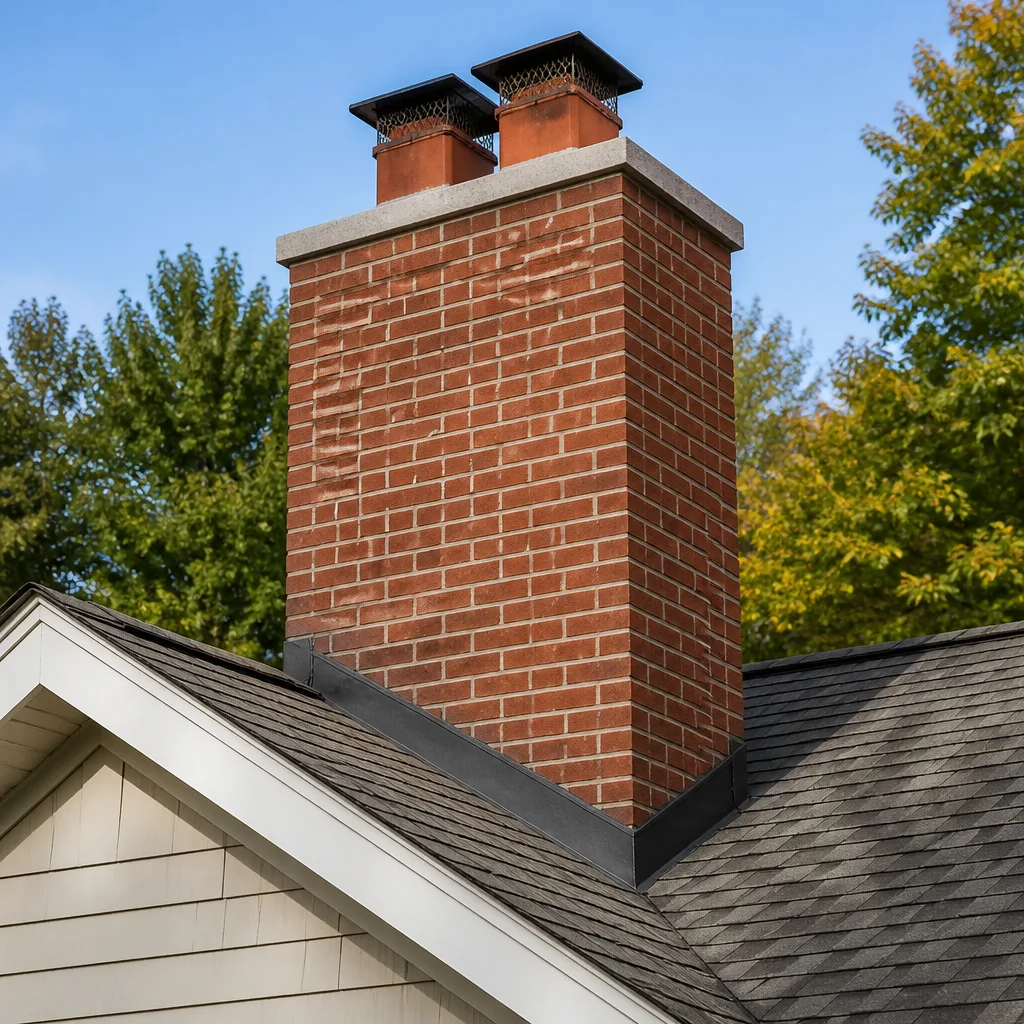 Masonry repair
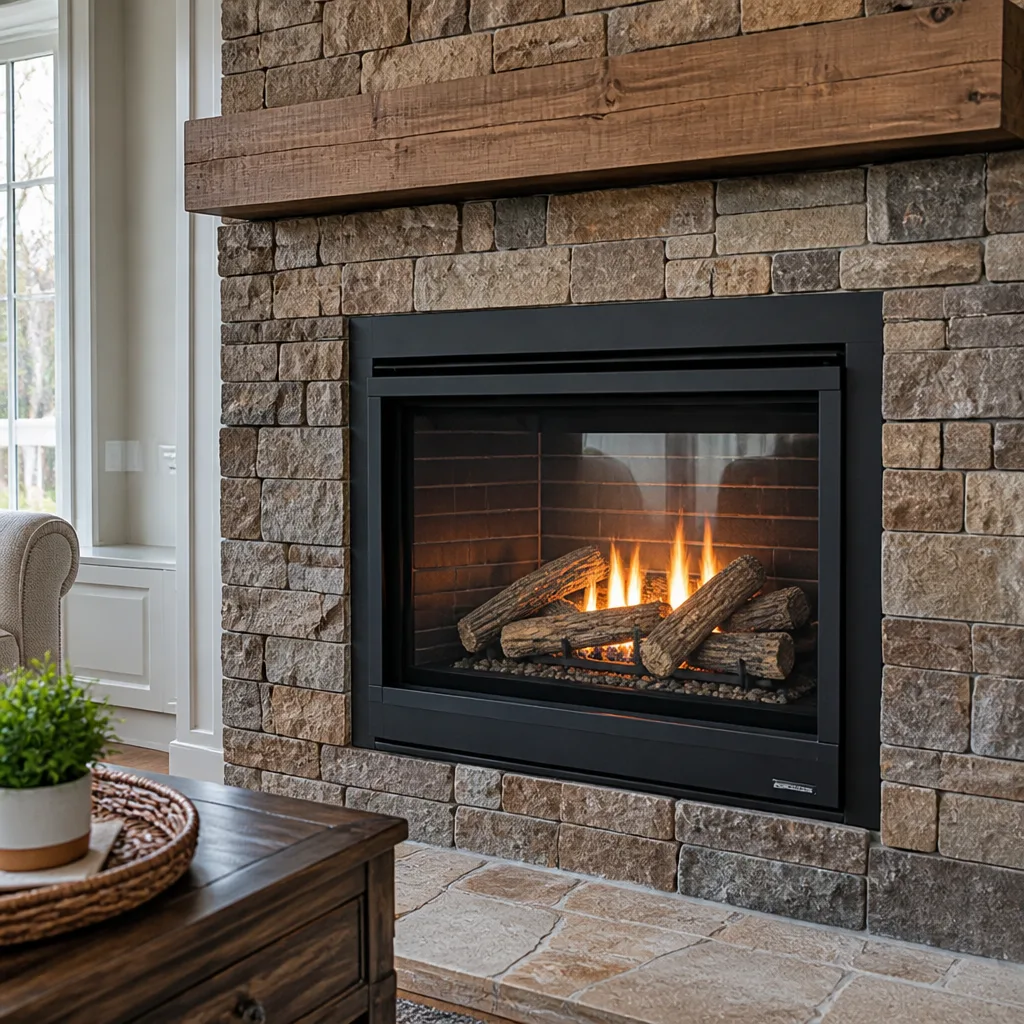 Gas fireplace service
Level 1 sweep and inspection to the NFPA 211 annual standard - flue, crown, cap, and flashing checked and photographed
Chimney sweep logs do not sweep chimneys. They loosen some creosote - which then falls where a brush and vacuum still have to collect it.
Chimney Cleaning Permits, Codes & Inspections in Brockton, MA: What You Need to Know
Most homeowners assume the permit conversation only matters when they’re building something new. Chimneys get filed under “maintenance” in people’s minds, so a relining job or a new cap gets treated like cleaning the gutters. That assumption is where the trouble starts. Under the Massachusetts State Building Code (780 CMR), several chimney repairs that feel routine to a homeowner, including liner replacement and some cap work, can cross into work that needs a permit. Doing that work without one doesn’t just risk a fine. It can follow you to a home sale, an insurance claim, or worse. In this guide we’ll walk through which chimney services in Brockton trigger permit requirements, how the city’s building department processes them, the NFPA 211 standards those inspections measure against, and how the paperwork protects you at resale.
Quick Answer
In Brockton, routine chimney cleaning (sweeping) does not require a permit, but liner replacement, masonry rebuilds above the roofline, and in many cases chimney cap installation do require a permit through the Brockton Building Department under the Massachusetts State Building Code (780 CMR). The completed work should be documented and inspected against NFPA 211 standards, and that paperwork is what protects you during a home sale, an insurance claim, or a future repair.
Styles & brands we work with
- Sweep & inspection
- Caps & crowns
- Flue relining
- Masonry repair
- Gas fireplace service
Table of Contents
- Which Chimney Services Require a Permit in Brockton?
- How Does Brockton’s Building Department Handle Chimney Permits?
- The Three NFPA 211 Standards That Govern Every Chimney Inspection
- What an Inspection Actually Checks (and What It Doesn’t)
- How Permit Documentation Protects You at Resale
- What a Contractor’s Refusal to Pull Permits Actually Signals
- How to Verify a Chimney Contractor Before Work Starts
- Why Brockton’s Climate Makes All of This Matter More
Which Chimney Services Require a Permit in Brockton?
Routine cleaning does not require a permit. Everything structural does. That’s the short version, and it’s the one homeowners most often get wrong. When we talk to a Brockton homeowner about a relining job or a masonry rebuild, the first question is usually “do we really need a permit for that?” The answer, under the Massachusetts State Building Code, is almost always yes for anything that changes the chimney’s structure, its flue, or its venting path.
Here’s how the work breaks down in practice:
- Chimney sweep (cleaning): No permit required. Cleaning removes creosote and debris without altering the system.
- Chimney inspection: No permit required. An inspection is diagnostic only.
- Liner replacement or relining: Permit required. A new flue liner changes the venting system, and the installation must be inspected to confirm it meets code and manufacturer specifications.
- Masonry rebuilds above the roofline: Permit required. Any structural masonry work at or above the roofline affects the building envelope and falls under the building code.
- Chimney cap installation: Frequently requires a permit, depending on the scope. A simple swap may not; a new cap with structural anchoring or crown work usually does. This is where it pays to ask the building department directly rather than guess.
- Firebox repairs, damper replacement, and crown work: Scope-dependent. Some fall below the permit threshold; many don’t. The permit office makes the call, and a contractor who’s familiar with local practice will know which is which before quoting.
What matters for a Brockton homeowner is the principle: if the work changes the chimney system in any material way, assume a permit is in play until you’ve confirmed otherwise. That one habit prevents most of the problems covered in this guide.
How Does Brockton’s Building Department Handle Chimney Permits?
Permits for chimney work in Brockton go through the city’s Building Department, which operates under the state building code and issues permits for residential construction and alteration work. A qualified contractor pulls the permit in the name of the licensed professional performing the work. That detail matters because the permit is tied to the contractor, not to you, and the inspection that follows is tied to that permit.
Here’s the typical sequence, in plain language, for a homeowner in Brockton:
- Scope is defined. The contractor determines what work is needed, based on an inspection and often a camera view of the flue. This is the point where a homeowner should ask “does this need a permit?” and get a straight answer.
- Permit application is filed. The contractor submits the application to the Brockton Building Department, with the scope of work and the applicable code references.
- Permit is issued. Once approved, work can begin. Doing the work before the permit is issued defeats the purpose.
- Work is completed to code. The installation follows the manufacturer’s instructions for the specific product, whether that’s a DuraFlex liner system, a HeatShield resurfacing application, or a cap from Olympia Chimney or Gelco.
- Inspection is requested. The contractor calls for the inspection. The city inspector verifies the work against the code and the permit scope.
- Permit is closed out. The signed-off permit becomes a permanent record with the city. This is the document that protects you later.
What can a homeowner verify before work starts? Ask for the permit number and the name of the licensed contractor on the application. Then call the Brockton Building Department and confirm the permit exists and matches the scope of work you were quoted. This takes five minutes and it settles the question completely. If a contractor can’t give you a permit number, that’s your answer.
The Three NFPA 211 Standards That Govern Every Chimney Inspection
NFPA 211 is the Standard for Chimneys, Fireplaces, Vents, and Solid Fuel-Burning Appliances, and it’s the benchmark every legitimate chimney inspection measures against. What most homeowners don’t realize is that NFPA 211 isn’t a single test. It’s an installation and maintenance standard that covers three distinct areas of your chimney system, and an inspection that skips any of them is incomplete.
The three areas break down like this:
- Chimney construction and clearances. This covers the physical structure: the flue’s condition, the masonry, the clearances to combustibles, the crown, and the cap. An inspection against this standard checks whether the chimney is built and maintained to resist fire and vent gases safely. A crack in the flue or a failed crown shows up here.
- Venting and draft performance. This covers whether the chimney actually vents properly. A flue that’s too small, blocked, or improperly sized for the appliance creates draft problems, and draft problems are a carbon monoxide risk. An inspection against this standard looks at the appliance connection, the flue integrity, and whether the venting path performs as designed.
- Installation and listing of the appliance and its components. This covers whether the liner, cap, and any connected components are installed per manufacturer instructions and listed for the application. A liner that’s the right size but installed against the manufacturer’s spec fails here, even if it looks fine.
When you hear a technician say “your chimney meets NFPA 211,” that’s shorthand for all three areas passing. When you hear “your chimney doesn’t meet NFPA 211,” ask which of the three failed. A real inspection produces a report that says exactly that, and it’s the document that heads off a debate at resale or in an insurance claim. For a more detailed look at what a sweep and inspection actually involves, see our page on chimney sweep services.
What an Inspection Actually Checks (and What It Doesn’t)
An inspection is a diagnostic, not a sales pitch. It’s worth knowing what a proper one includes so you can hold a contractor to that standard. We use a camera to view the full length of the flue, and we document findings with photos. That’s the baseline. Anything less, and you’re being asked to trust a verbal summary of work you can’t see.
A thorough chimney inspection covers:
- The interior of the flue, viewed by camera for the full run, including the smoke chamber and the damper.
- The firebox, including any cracks, spalling, or deteriorated mortar.
- The crown, the cap, and the flashing at the roofline.
- The exterior masonry, looking for cracked brick, missing mortar joints, or efflorescence that suggests moisture intrusion.
- The appliance connection, if there’s a stove or insert, confirming proper venting.
- Clearances to combustibles, verified against NFPA 211.
What an inspection doesn’t do is tell you whether the original installation was permitted. That’s a records question, and it’s answered at the Brockton Building Department. This is one reason a permit history matters: a chimney that passes a current inspection may still have an unpermitted liner installed years ago, and the only way to know is to look up the permit record. We’ve seen this come up in Brockton homes where a prior owner had work done without documentation, and it surfaces when the current owner tries to sell.
How Permit Documentation Protects You at Resale
When you sell a house in Brockton, the buyer’s home inspector will look at the chimney. That inspector doesn’t need to find something wrong to flag a problem. Missing permit records are enough. A home inspector who sees a newer liner or a rebuilt crown with no permit history will note it as “evidence of unpermitted work – recommend further evaluation.” That note goes straight into the buyer’s report, and the buyer’s request for a price reduction or a repair credit usually follows.
The mechanism is simple and predictable:
- The home inspector sees a chimney component that’s clearly newer than the rest of the structure.
- The inspector checks for a permit record through the Building Department and finds none.
- The report flags the work as unpermitted and recommends evaluation by a licensed chimney professional.
- The buyer’s agent uses the flag to negotiate. The seller either produces documentation (which they can’t, because there isn’t any) or absorbs a price adjustment or pays for a re-inspection and re-permitting of the work.
The permit record is what prevents this. A signed-off permit from the Brockton Building Department is proof that the work was done to the state building code and inspected by the city. It’s a document you can pull up years later, whether you’re selling or filing a claim. That’s why we’d rather file a permit on a relining job than skip it, even when it adds a step to the timeline. The record is worth more to the homeowner than the time saved.
What a Contractor’s Refusal to Pull Permits Actually Signals
When a contractor says “you don’t need a permit for this,” there are two possibilities. Either they’re right about the scope, or they’re avoiding the process. The distinction is important because it tells you something about how the contractor approaches materials accountability and job documentation generally. A contractor who cuts the permit corner is rarely meticulous about the product spec.
Here’s what we look at when a homeowner is comparing quotes:
- Do they name the products they’ll use? A professional will specify the liner brand, the cap, the resurfacing system. When we name a product, whether it’s a HeatShield resurfacing application or a Gelco cap or an Olympia Chimney liner component, we want you to look it up. The product is part of the quote, and it should be part of the conversation.
- Do they provide a written scope? A permit application requires a defined scope. A contractor who can’t write one for you probably can’t write one for the city, either.
- Do they mention the inspection? The inspection isn’t a formality. It’s the step that verifies the work matches the scope and the code. A contractor who doesn’t bring it up either doesn’t know the process or doesn’t want it.
- Do they give you a permit number? This is the simplest test. Ask, and see what comes back.
The material and the paperwork are the same question in two forms: is the job being done to a verifiable standard, or is it being done to get paid. A contractor who skips the first is likely skipping the second. For a closer look at what a properly documented repair involves, see our guide to chimney repair.
How to Verify a Chimney Contractor Before Work Starts
Verification is a short checklist, and it takes less time to run than a single phone call. A homeowner in Brockton can confirm the essentials before any work begins.
- Confirm the state license. Massachusetts requires a construction supervisor license for work that includes structural alterations. Ask for the license number and verify it through the state’s licensing board.
- Confirm insurance. Ask for a certificate of insurance showing general liability coverage and workers’ compensation. Insured and bonded is the standard, and a contractor should provide the certificate without being asked twice.
- Confirm the permit. Ask whether a permit is required for the scope of work you were quoted. If it is, get the permit number once it’s issued, and verify it with the Brockton Building Department.
- Confirm the products. Ask for the specific brand and model of liner, cap, or resurfacing materials. Recognized industry products have published installation specifications, and the inspection will check against them. For more context on the Brockton service area, see our Brockton page.
- Confirm the written estimate. The written estimate should set the final price. It should list the scope, the materials, and the permit responsibility clearly.
- Confirm the inspection plan. Ask who calls for the inspection and what happens if it fails. A professional expects it to pass and has a plan if it doesn’t.
None of this is unusual to ask. If a contractor treats these questions as friction, that’s the answer. For a full overview of the services we provide, see Chimney Sweep Brockton.
Why Brockton’s Climate Makes All of This Matter More
Brockton’s winters are cold, wet, and long enough that a chimney system sees more freeze-thaw cycles than a homeowner might expect. That matters for permits because freeze-thaw damage is exactly the kind of structural degradation that pushes a repair from “this could wait” into “this needs to be looked at.” Water that gets into a masonry chimney and freezes expands, and repeated cycling cracks the mortar joints and the crown. Once the crown fails, the water gets deeper into the structure, and the damage compounds across seasons. A crack that was cosmetic in the fall can open up over a single winter.
What this means practically for a Brockton homeowner:
- Crown cracks and mortar joint failures show up more in a freeze-thaw climate than in a mild one, and crown repair often crosses into permit territory.
- A cap or crown issue that’s left alone can lead to water intrusion and interior damage over one or two winters, and the resulting repair scope can be larger than the original permit would have covered.
- Water intrusion into an unlined or deteriorated flue is a structural problem, not a cosmetic one, and the fix may involve resurfacing or relining, both of which are permit-triggering work.
We mention this because the permit question and the timing question are the same question. A homeowner who waits on a crown repair until spring may find that the crown has to be rebuilt rather than repaired, and the permit scope grows to match. Getting the inspection done before the cold sets in is the cheaper path. Our chimney repair services include the inspection that would identify these issues, and the camera documentation is what tells you whether a repair can wait or not.
Common Mistakes to Avoid
- Assuming cleaning needs a permit. Sweeping doesn’t require a permit, and paying for one when it isn’t needed is wasted money. Confirm the scope with the contractor and the Building Department before assuming. The permit question depends entirely on whether the work changes the system.
- Letting a contractor skip the permit on a relining job. A liner replacement changes the venting system, and the permit and inspection are the mechanism that confirms it was done to code. Skipping it saves an afternoon and costs you the documentation at resale. Ask for the permit number before work starts.
- Not asking for the product spec. A liner or cap or resurfacing system has an installation specification, and the inspection checks against it. If the contractor can’t name the product, they can’t confirm it meets the spec. We specify DuraFlex, HeatShield, Gelco, Olympia Chimney, and Famco where applicable, and we expect homeowners to look them up.
- Selling a house without pulling the permit record. If a prior owner had chimney work done in Brockton, check the Building Department records before listing. A missing record still in the file at closing is far cheaper to address than the price reduction a buyer’s inspector will flag.
- Relying on a verbal inspection report. A proper inspection includes camera documentation of the full flue and photos of the exterior findings. Without that, you’re being asked to approve work you can’t verify. Insist on the report before approving a scope.
- Treating a crown crack as cosmetic. In Brockton’s freeze-thaw winters, a crown crack opens further every season. The repair scope grows with it, and so does the permit scope. Have it looked at before the cold sets in.
- Hiring a general handyman for a chimney job. Liner installation, resurfacing, and masonry repair above the roofline are specialty work with a code dimension. A generalist may do the visible part well and miss the venting spec underneath.
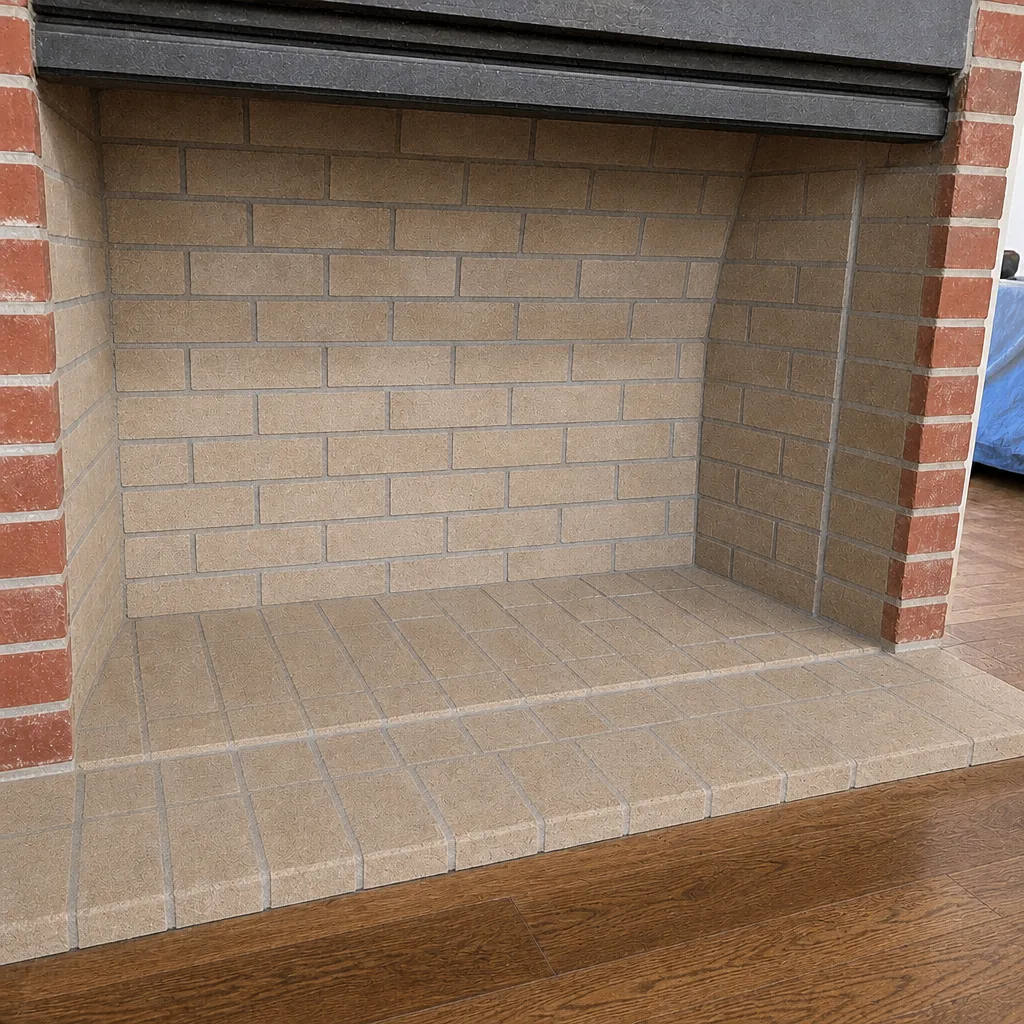
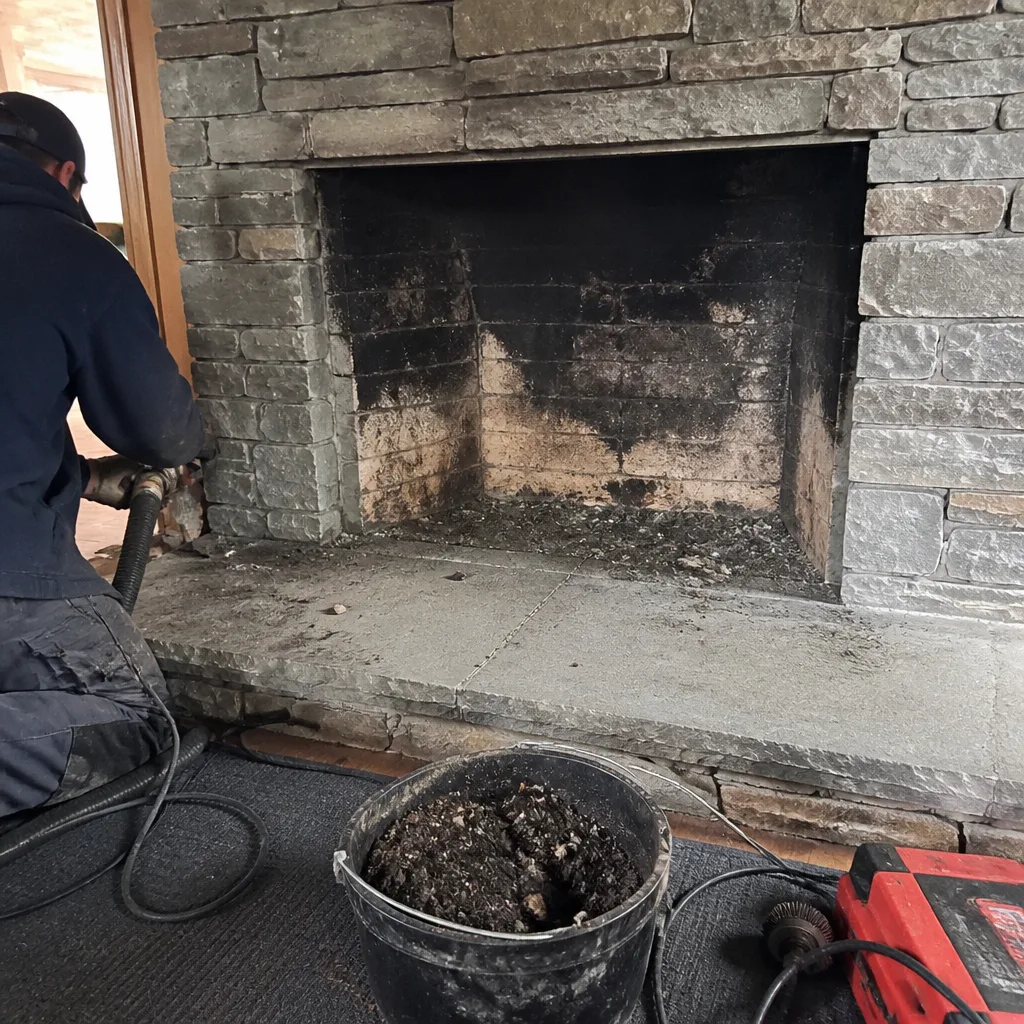
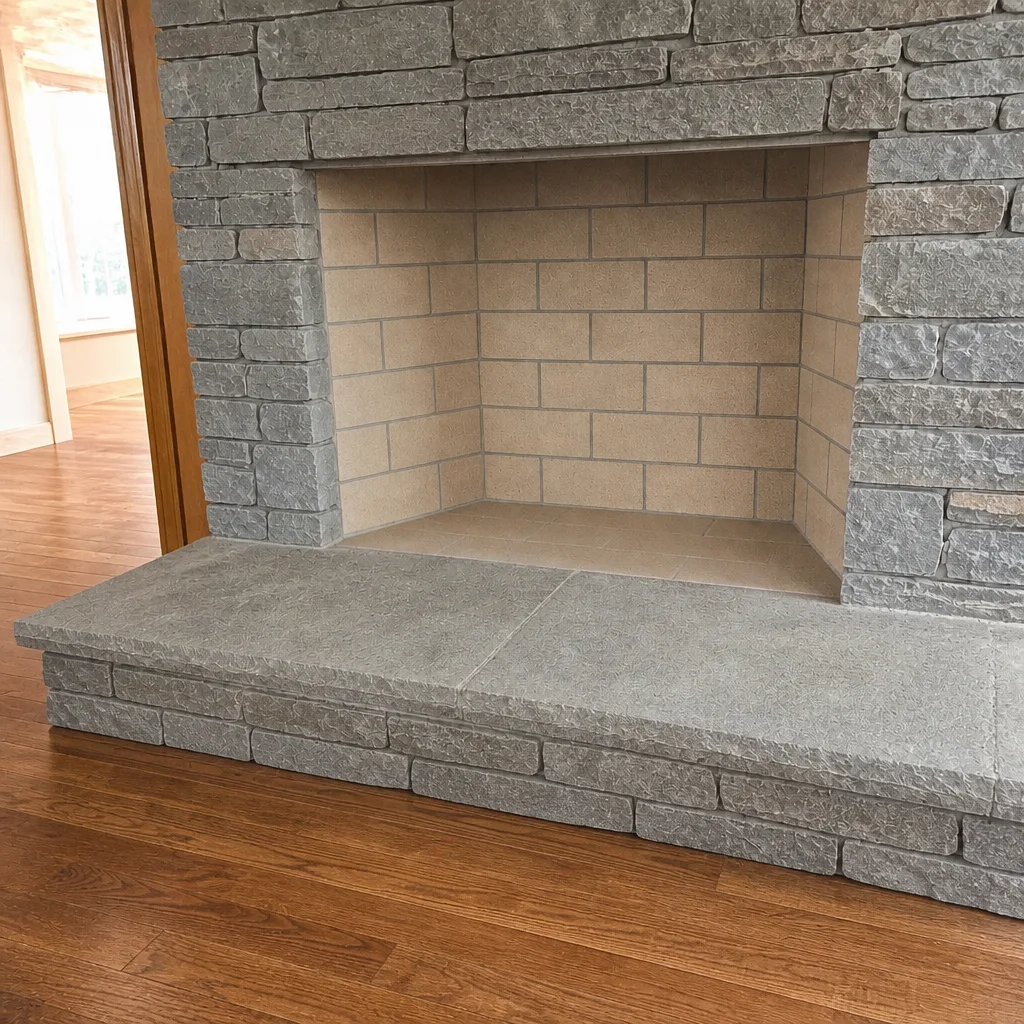
See the difference
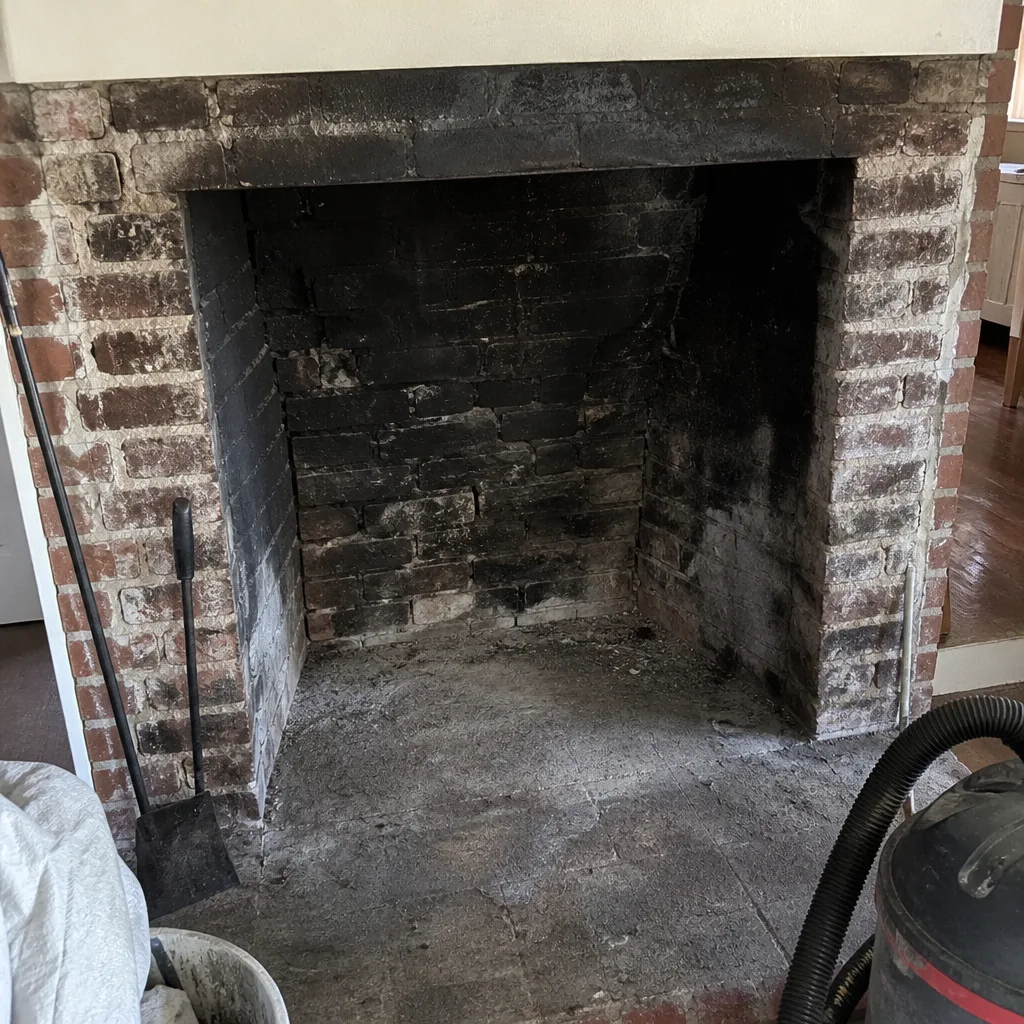 Before
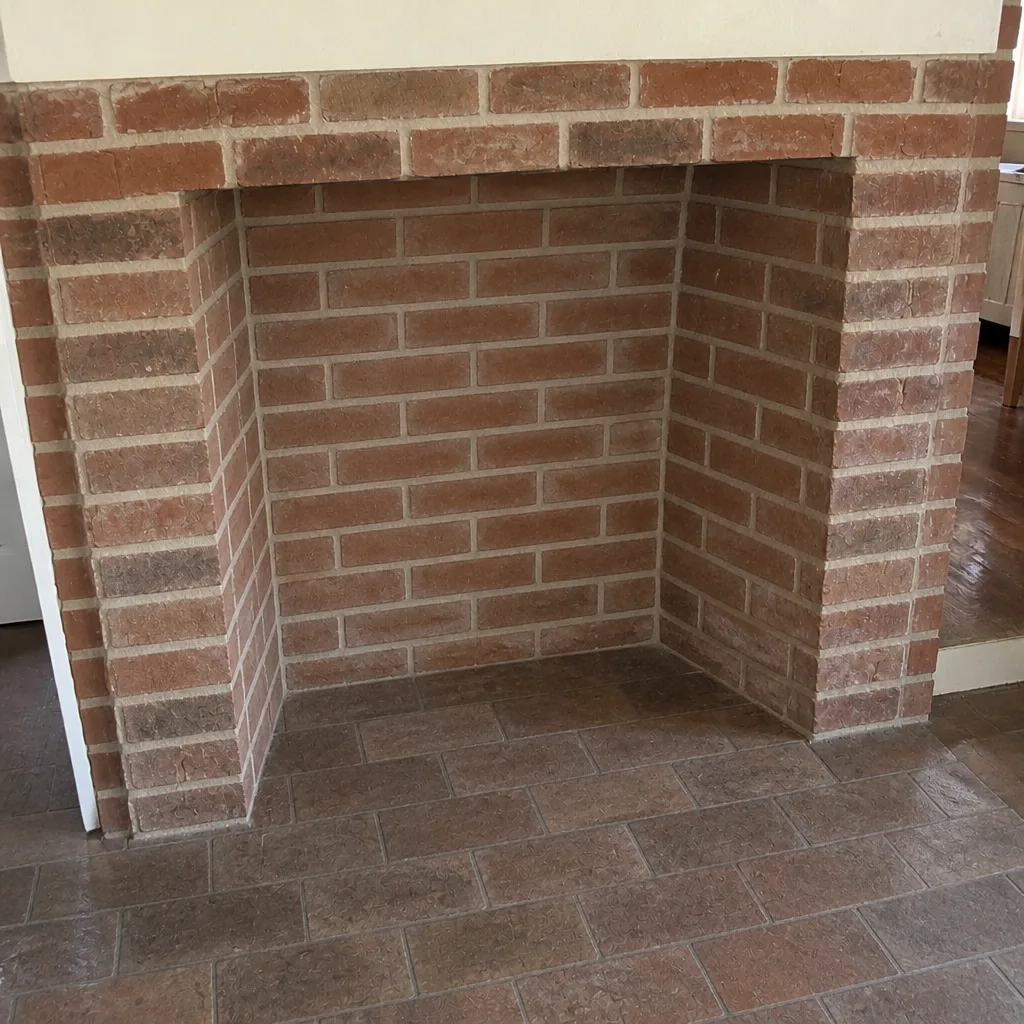 After
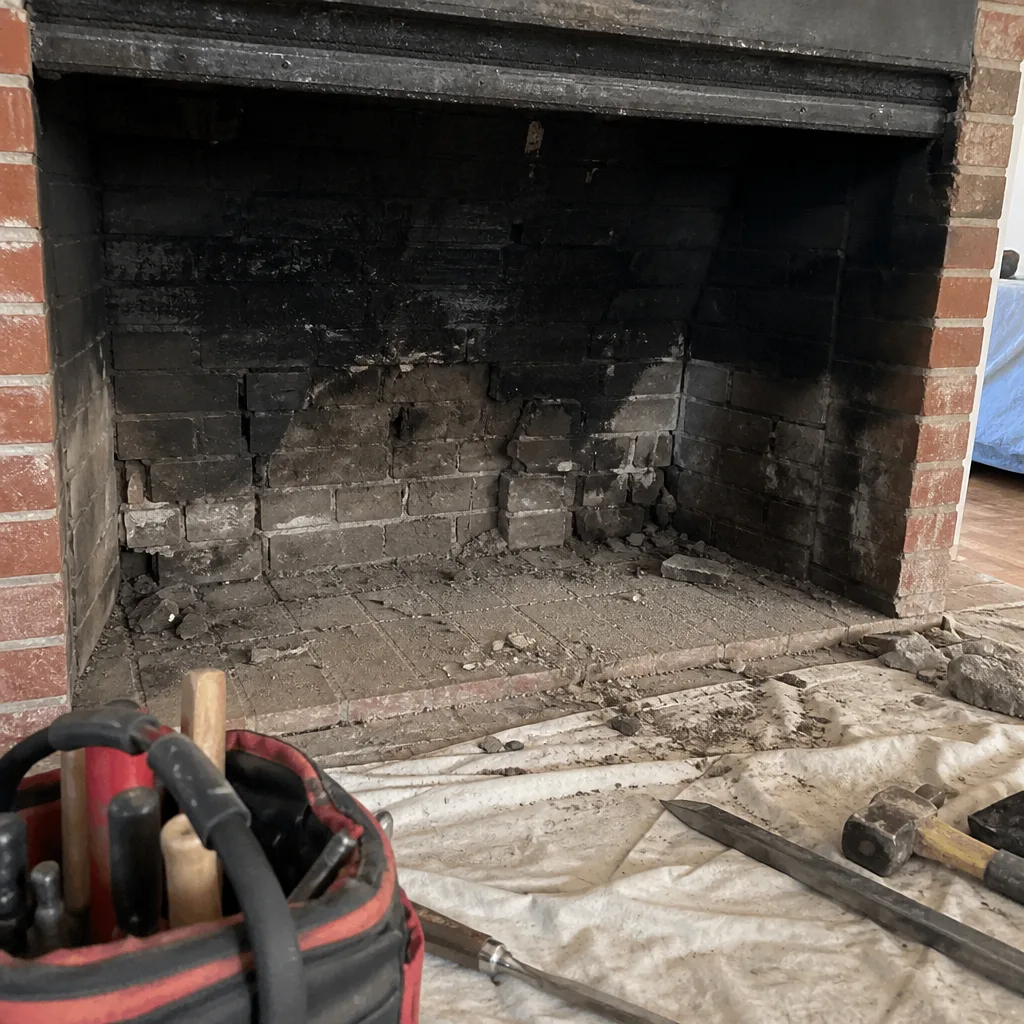 Before
 After
 Before
 After
When to Call a Professional
Call a professional when the chimney system has changed, when you’re not sure it has, or when the paperwork question matters. Specifically: if a liner has been replaced and you don’t have a permit record, if you’re buying or selling a Brockton home with a newer chimney component, if the firebox or crown is visibly cracked, if you’re getting smoke spillage or draft problems, or if it’s been more than a year since the last inspection and you burn wood regularly. None of these is an emergency, but each is the kind of thing that’s cheaper to identify than to discover later. Chimney Sweep Brockton offers free estimates in Brockton. Call (877) 704-4074. We answer 24/7. Fast dispatch from 7am to 7pm, Sunday through Friday.
Frequently Asked Questions
No. Routine chimney cleaning (sweeping) is maintenance and doesn’t require a permit in Brockton. A permit is triggered when the work changes the chimney system itself, such as liner replacement, masonry work above the roofline, or a cap installation that involves structural anchoring. If you’re unsure whether your specific job crosses that line, call (877) 704-4074 and we’ll tell you straight.
Yes, a liner replacement typically requires a permit under the Massachusetts State Building Code (780 CMR), because a new flue liner changes the venting system and the installation must be inspected against the manufacturer’s specification and NFPA 211. The permit is pulled by the licensed contractor performing the work. Confirm with the Brockton Building Department for your specific scope, and ask your contractor for the permit number before work begins.
It can, in a serious way. If a chimney-related fire or carbon monoxide incident occurs, an insurer can argue the work was unpermitted and uninspected, and that argument can complicate or void the claim. The permit record is the documentation that the work was done to code and inspected. If you’re unsure whether a prior repair was permitted, pull the record through the Brockton Building Department. Call (877) 704-4074 for an inspection if the records are missing.
NFPA 211 covers three areas: chimney construction and clearances, venting and draft performance, and whether the appliance and components are installed per their listing and manufacturer instructions. An inspection that skips any of the three is incomplete. A proper report says which area failed and shows the evidence. We use a camera for the full flue and document findings with photos. Call (877) 704-4074 to schedule an inspection.
The buyer’s home inspector will likely flag a newer chimney component with no permit record as “evidence of unpermitted work,” which triggers a request for evaluation and usually a price negotiation. The cost of that flag is almost always more than the cost of the permit would have been. Before listing, pull the permit history from the Brockton Building Department. If a record is missing, call (877) 704-4074 to get an inspection and put the documentation in order.
Verify the state license, confirm general liability and workers’ compensation insurance, ask for the permit number and confirm it with the Brockton Building Department, ask for the specific product brands and models, and get the scope in a written estimate. A professional provides all of this without being asked twice. Call (877) 704-4074 for a free estimate and a clear answer on the permit question for your job.
The Bottom Line
Chimney cleaning in Brockton doesn’t require a permit, but most structural chimney work does, including liner replacement, masonry rebuilds above the roofline, and many cap installations, under the Massachusetts State Building Code (780 CMR). The permit isn’t paperwork for its own sake. It’s the record that the work was done to code, inspected against NFPA 211, and signed off by the city, and it’s what protects you at resale and in an insurance claim. A contractor who names the products and pulls the permit is telling you how they approach the whole job. We offer sweep, inspection, and repair under one roof, with products you can look up. Call (877) 704-4074 for a free estimate.
Chimney Sweep Brockton provides chimney sweep and chimney repair services to homeowners throughout Brockton. Our technicians have up to 9 years of experience. Call (877) 704-4074. We answer 24/7. Fast dispatch from 7am to 7pm, Sunday through Friday.
Written by the team at Chimney Sweep Brockton.