
Last updated November 16, 2026
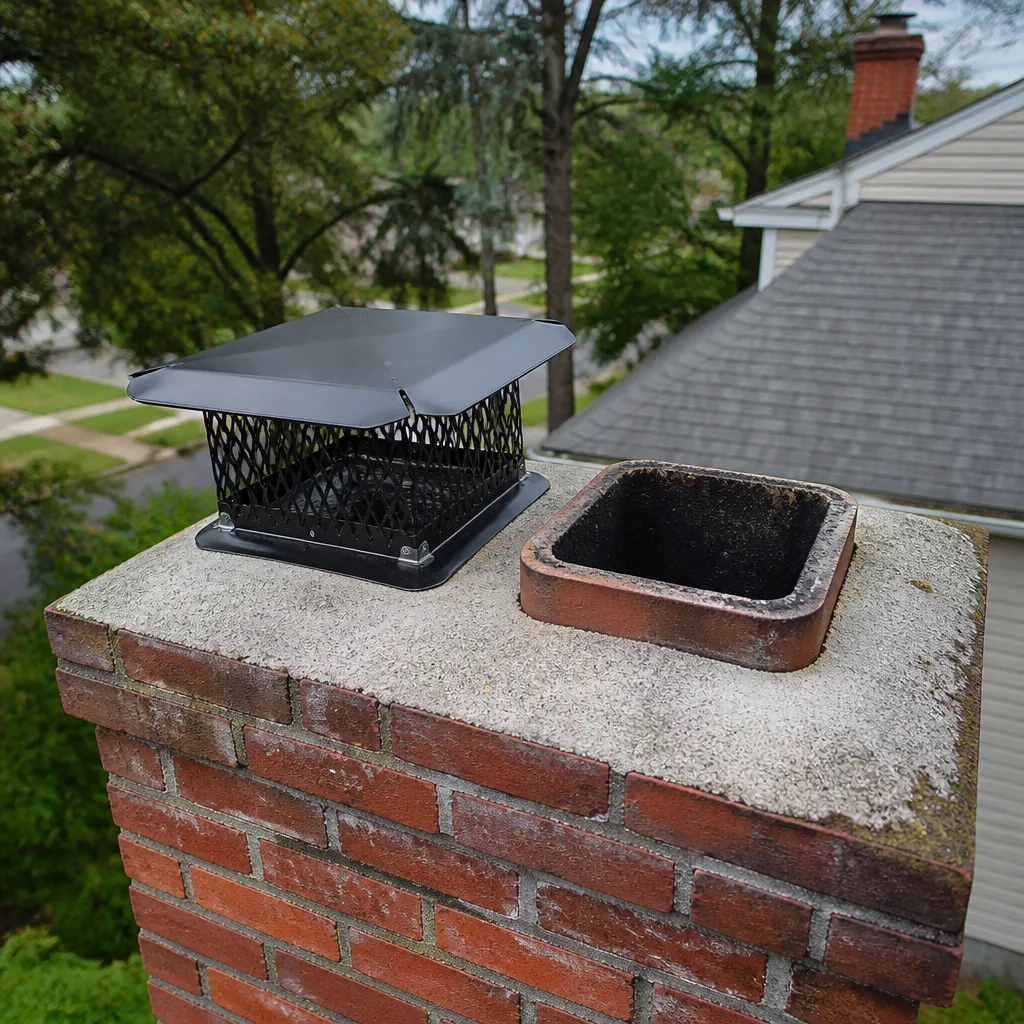 Sweep & inspection
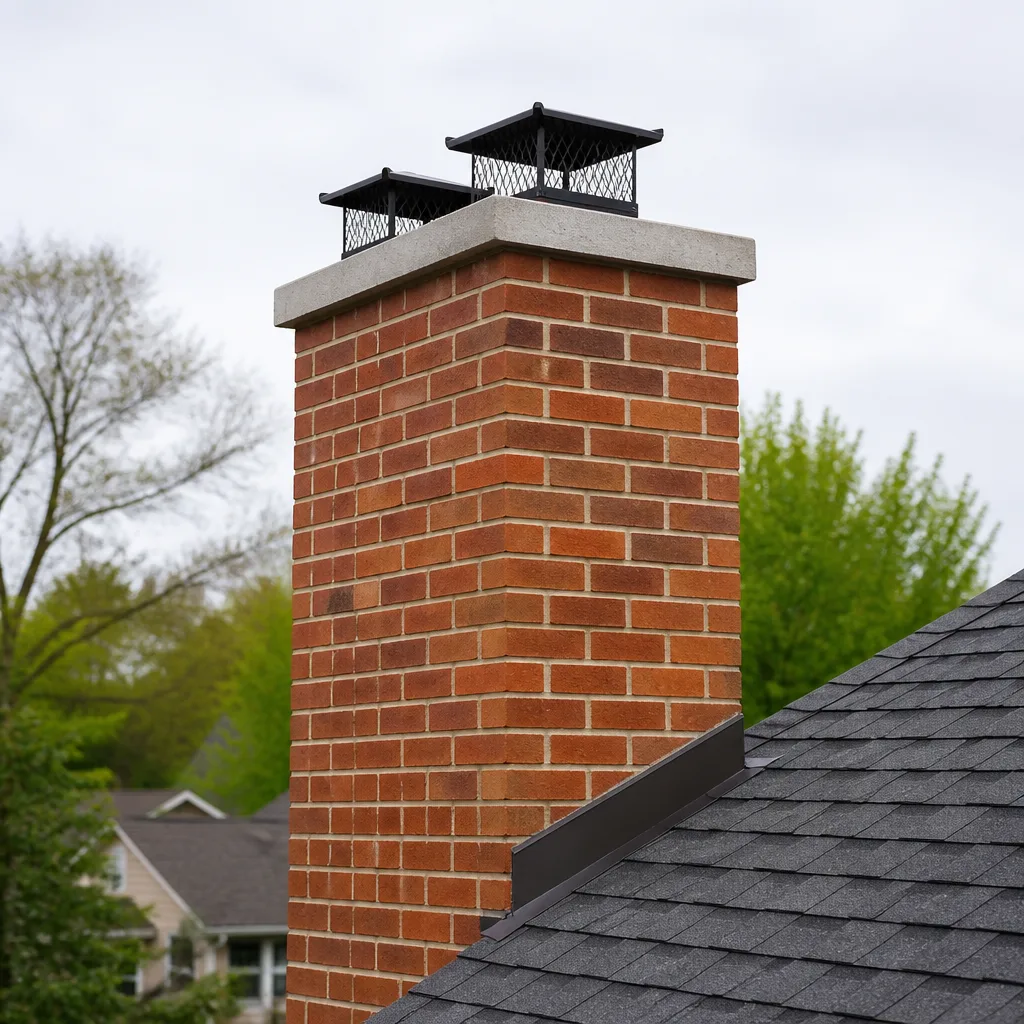 Caps & crowns
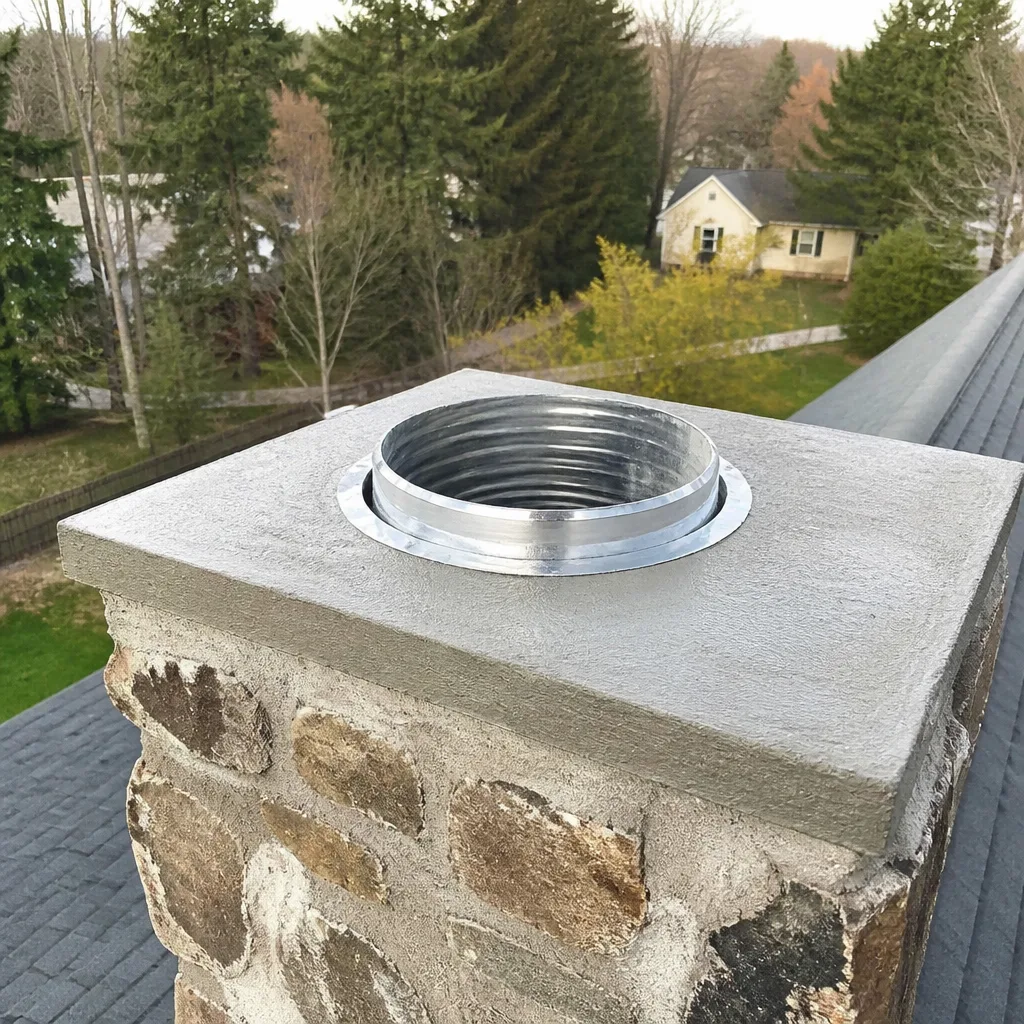 Flue relining
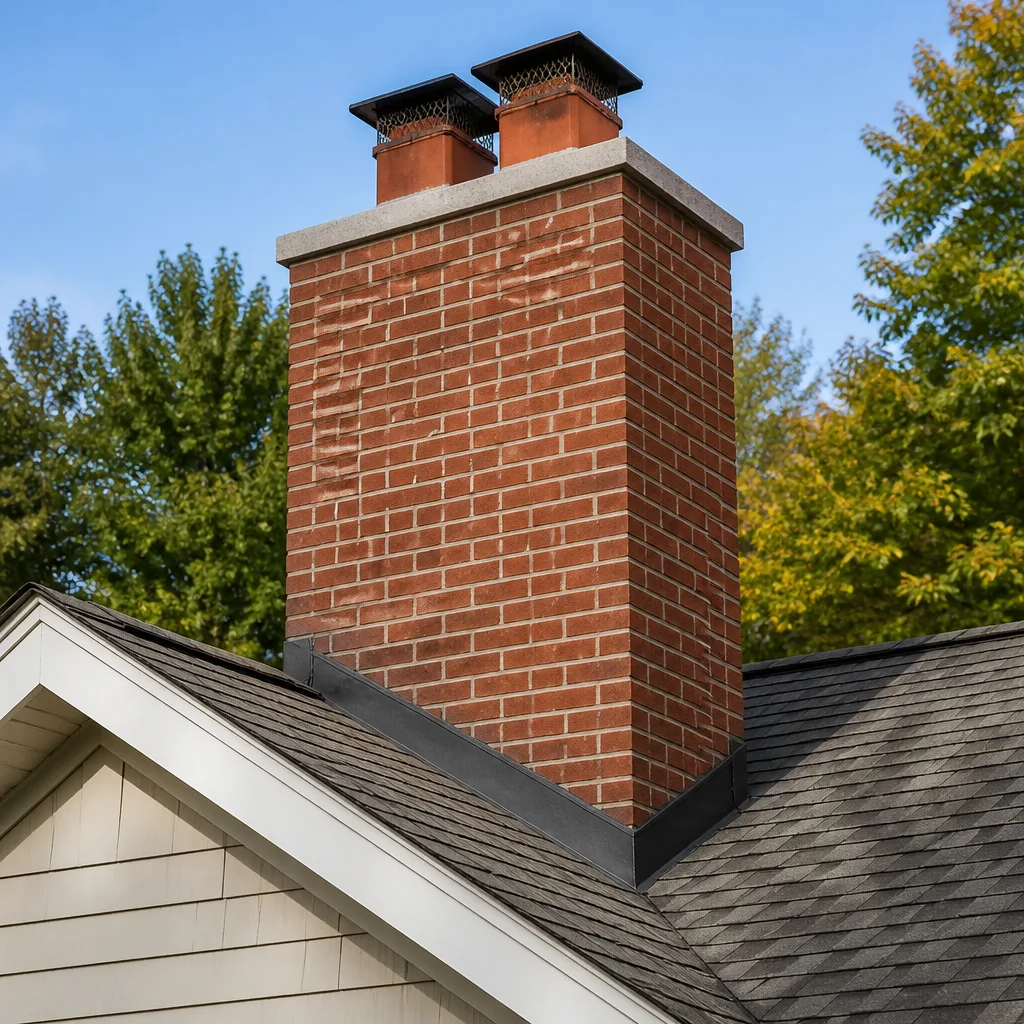 Masonry repair
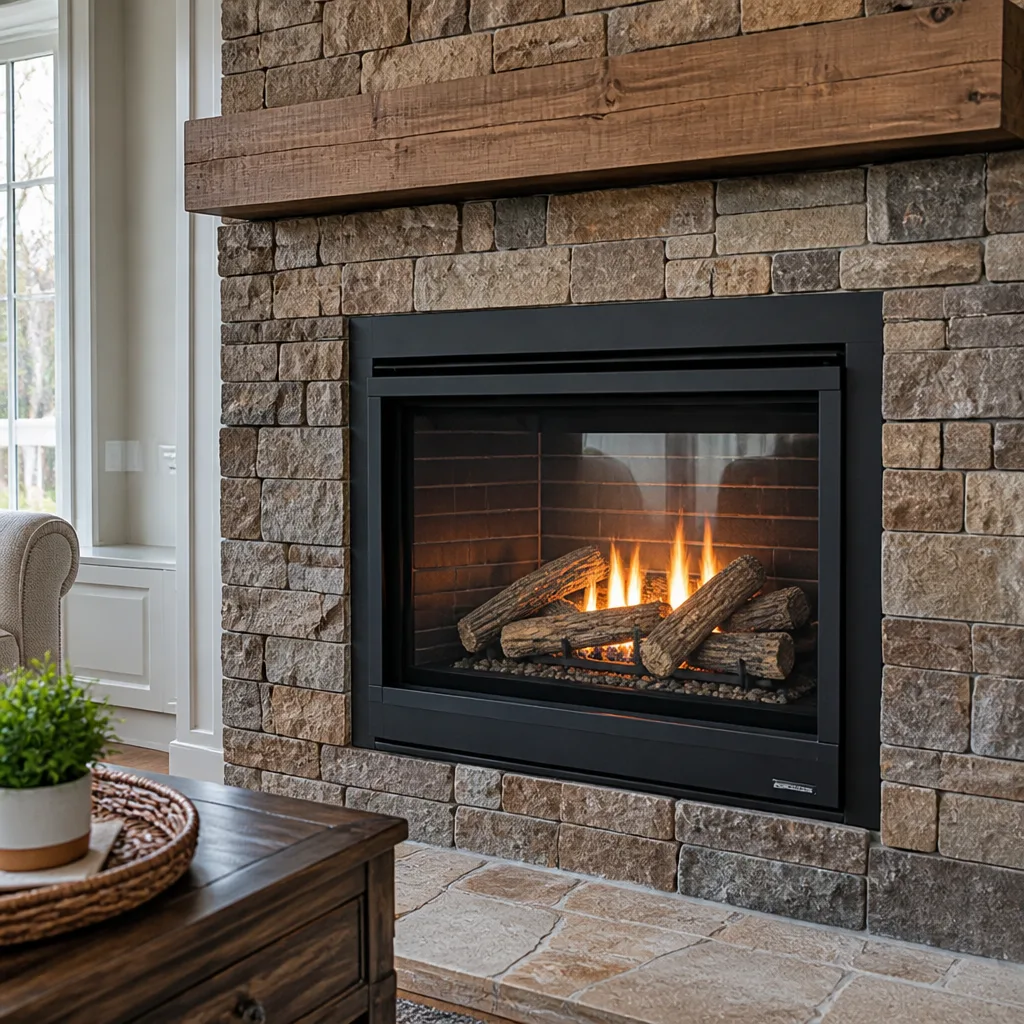 Gas fireplace service
Level 1 sweep and inspection to the NFPA 211 annual standard - flue, crown, cap, and flashing checked and photographed
Chimney sweep logs do not sweep chimneys. They loosen some creosote - which then falls where a brush and vacuum still have to collect it.
Chimney Sweep Maintenance Checklist for Brockton Homeowners
Most chimney advice you’ll find online was written for a climate that isn’t yours. Brockton sits in a cold-winter, humid-summer pocket of southeastern Massachusetts where a chimney works hard for six months and then sits through a damp off-season. That swing drives how creosote forms, how mortar behaves, and when a small problem turns into a big one. And here’s the part that catches homeowners: the five earliest signs of chimney trouble, you can spot from your living room floor, without a ladder. Most people just don’t know what they’re looking at. This checklist is organized around exactly that split – what you can check yourself, and what genuinely requires a sweep with proper tools – plus the Brockton seasonal timing and product benchmarks that keep a repair at the same standard as the original build.
Quick Answer
A complete chimney maintenance checklist for a Brockton home covers five homeowner-observable checks you can do from inside the house (smoke smell in summer, white staining on brick, damper resistance, crumbling firebox mortar, and cap condition from the ground) plus the checks that only a trained sweep can perform safely: liner integrity, cap and spark arrestor seating, and the flashing seal at the roofline. The best window to book a sweep in Brockton is September, before heating season, so any repair is finished before the first sustained burn. Sweep annually, inspect annually, and keep a written service log.
Styles & brands we work with
- Sweep & inspection
- Caps & crowns
- Flue relining
- Masonry repair
- Gas fireplace service
Table of Contents
- Why a Brockton Chimney Ages Differently Than Most Checklists Assume
- What You Can Check Yourself – The Five Homeowner Warning Signs
- What Requires a Professional Sweep (And Why You Shouldn’t Try)
- Brockton Seasonal Timing: Why September Is the Month That Matters
- Product Benchmarks to Put in Your Checklist
- Building a Chimney Service Log That Actually Helps
- The Step-by-Step Annual Sequence
- Common Mistakes to Avoid
- When to Call a Professional
- Frequently Asked Questions
Why a Brockton Chimney Ages Differently Than Most Checklists Assume
A chimney in Brockton lives through a wider temperature swing than one in a milder climate, and that swing is the whole story of how the system wears. Summers here run humid. Masonry is porous, so a chimney crown, a brick face, and the mortar joints between them all take on moisture through the warm months. Then the first cold snap arrives, that trapped moisture freezes and expands, and by spring a hairline crack has opened a little wider. Repeat that cycle for a few winters and you get spalling brick, crumbling mortar, and a crown that’s no longer shedding water the way it should.
Inside the flue, a different process is happening. Wood smoke carries unburned gases that condense on a cool flue surface. In a cold climate, the flue stays cooler longer at the start of the burn, which is exactly when condensation and creosote buildup are most active. That buildup matters: creosote is the flammable deposit that creates the conditions for a chimney fire, and it forms in stages from a light soot to a glazed, tar-like coating that a standard brush won’t move. This is why an annual chimney sweep isn’t a formality in Brockton – it’s removing fuel from a life-safety system.
The housing stock matters too. Brockton has a large share of older homes with masonry chimneys that have been through many heating seasons, and those chimneys accumulate wear in ways a newer build doesn’t. That doesn’t mean every older chimney needs major work. It means the inspection matters more, and the camera evidence behind any recommendation matters more, because you shouldn’t be asked to accept a diagnosis you can’t see for yourself.
What You Can Check Yourself – The Five Homeowner Warning Signs
These five checks require nothing but your eyes and hands, and none of them involves a ladder or stepping onto a roof. Do them in late summer, before the heating season starts. If any of them raises a flag, that’s your signal to book a professional before the burn season, not after.
- Smoke smell inside the house in summer. If you catch a woodsmoke or sooty odor in a room with a fireplace during warm months, especially on humid days, that’s a sign of a draft reversal or a blocked or degraded flue. A properly sealed, clean system shouldn’t smell like a fire when nothing is burning.
- White staining (efflorescence) on brick. A powdery white bloom on the brick, firebox, or exterior face is a moisture signature. It means water is moving through the masonry and leaving mineral salts behind. That’s a clue about the crown, flashing, or mortar, and it’s worth a look.
- Damper handle resistance. Open and close the damper by hand. It should move smoothly and seat fully. A handle that sticks, grinds, or won’t fully close leaves you with a flue that can’t be sealed off, which is both a heat-loss issue and a safety one.
- Crumbling firebox mortar. Look at the joints between the firebrick. Soft, sandy, or missing mortar in the firebox is a structural warning, and firebox repair is not a homeowner task – it requires refractory materials and proper technique.
- Cap and spark arrestor condition from the ground. Stand back and look up with binoculars. Is the cap still sitting square? Is a spark arrestor screen missing, bent, or rusted through? Is the crown cracked? You can see all of this from your yard without climbing anything.
One more thing you can do from the ground: check the ground itself. A rust stain on the roof below the chimney or a dark streak on the flashing is a moisture flag worth mentioning at the next inspection. Keep binoculars handy and give the whole chimney a look from three angles.
What Requires a Professional Sweep (And Why You Shouldn’t Try)
Some checks look simple and aren’t. The three listed here all involve either height, confined space, or the specific tools to assess a component you can’t see properly from where you’re standing. These are sweep-required checks, and they’re the core of a proper annual chimney repair and inspection visit.
Liner integrity
The flue liner is the layer between the fire and the structure of your house. A crack, a gap at a joint, or a deteriorated section lets heat and combustion gases reach materials that were never meant to see them. You cannot assess liner condition by looking up from the firebox with a flashlight – the flue bends, has offsets, and hides deterioration that only a camera reveals. A professional sweep runs a camera inspection and can show you the footage. That photo or video report is your evidence, and it’s the reason no legitimate repair recommendation should be accepted without it.
Cap and spark arrestor seating
A Brockton chimney cap does two jobs: it keeps rain and animals out of the flue, and a spark arrestor screen keeps embers from escaping onto the roof. A cap that’s shifted or a screen that’s rusted through defeats both. Proper inspection means getting up there and confirming the cap is seated, fastened, and intact – plus checking that the cap is the right size for the flue.
Flashing seal at the roofline
Flashing is the metal that seals the gap where the chimney meets the roof. When the seal fails, water runs down the chimney chase and into the house, sometimes showing up far from the chimney itself. Checking the flashing seal means getting on the roof and inspecting the whole perimeter of the chimney base, plus the crown. This is roof-level work with real fall risk. In our experience, this is the single most overlooked item on a homeowner’s list because it’s completely invisible from the ground.
None of these three are safe to self-assess from a ladder, and the liner in particular is a life-safety concern where a wrong guess can be genuinely dangerous. Flag the concern, then let a trained sweep confirm it with tools and evidence.
Brockton Seasonal Timing: Why September Is the Month That Matters
If you take one thing from this guide, take the September window. Booking a sweep and inspection in September, before the heating season starts, is the difference between finishing a repair in calm weather and discovering a problem the first cold week you actually need the fireplace. In a cold-winter climate like Brockton’s, the stakes on timing are higher than they are in a place where a fireplace is decorative for most of the year.
Here’s why September specifically:
- The full off-season is still ahead of you. Any liner or masonry repair found in September can be scheduled and completed before you need heat. Find the same problem in late November and you’re making decisions under pressure.
- Summer moisture is still fresh. The humid Brockton summer leaves its signature on masonry – efflorescence, damp joints, a crown that’s been holding water. A September inspection reads those signals while they’re current.
- Creosote from last season is still there. The deposits from the previous heating season haven’t been disturbed yet. A September sweep removes that fuel before the next fire.
- You’re not competing for scheduling. The last weeks before heating season are a busy window for sweeps. Getting it done in September leaves room to book a repair without rushing it.
The off-season itself deserves a mention. Once you stop burning in spring, the system sits. That’s exactly when the humid summer does its moisture work, and when a cap that shifted in a winter storm goes unnoticed until fall. A quick spring cleanout and a fall sweep bookend the year, and the September inspection is the one that matters most.
Product Benchmarks to Put in Your Checklist
A checklist is only as good as the standard it holds replacements to. A generic “replace cap” instruction tells you nothing about whether the new cap will last. The fix is to record the product type on the original build and hold the next replacement to the same standard. That’s how a repair stays consistent with the chimney you already have.
Here are the benchmarks worth logging, and the product categories we work with. We name the brands we use, so you can look them up and verify what’s going into your home.
- Cap and termination cover. Note the cap type and the venting components. Gelco and Copperfield are two of the brands we source from for caps, covers, and venting, alongside Olympia Chimney. If your cap is replaced, ask for the same product family or an equivalent from the same roster.
- Liner material. A flexible flue liner should be a professional-grade system, not a generic generic insert. We install and service DuraFlex flexible flue liner systems, and that’s a meaningful benchmark because a proper relining is a higher-skill job than a brush-and-vacuum visit. If relining is ever recommended, ask which system and why.
- Structural resurfacing. When the flue has spalled or the joints have failed, resurfacing can rebuild the surface rather than just cleaning it. HeatShield is the specialist chimney resurfacing system we apply for that kind of structural restoration – it’s a different tier of work than a sweep, and worth knowing by name.
- Damper type. Top-sealing dampers and throat dampers perform differently. Record which one you have, and if it’s replaced, confirm the type and that it seats fully.
The point of logging brands isn’t brand loyalty – it’s verifiability. When a homeowner knows their liner is a DuraFlex system and their cap came from the Olympia, Gelco, or Copperfield roster, they can research the product and compare any future quote against it. That’s the standard we hold our own work to. Sweep, inspect, repair – all in one loop, using materials you can check.
Building a Chimney Service Log That Actually Helps
Most homeowners lose track of chimney work within a couple of seasons. The receipt goes in a drawer, the sweep’s report gets a glance, and by the next visit nobody remembers what was done or when. A simple chimney service log fixes that, and it does three genuinely useful things: it helps the next contractor understand what’s already been done, it makes it far easier to see whether a problem is recurring, and it supports your insurance documentation if you ever need to make a claim.
Here’s what to put in the log. Keep it in a folder or a note on your phone.
- Date of service and service type. Sweep, inspection, or repair, plus the month and year.
- Who did the work. The company name, so a future contractor can follow up on specifics.
- What was found. Note the camera inspection findings in plain terms – liner condition, cap condition, flashing, creosote level. If a photo report or video was provided, keep it with the log.
- What was replaced, and with which product. Record the brand and product category – the DuraFlex liner, the HeatShield resurfacing, the cap brand. This is the item that most helps a future contractor.
- Any deferred item. If a sweep told you something can wait, write down the condition and what to watch for. Knowing the difference between “safe to defer” and “needs attention now” is exactly what a log captures.
- Next recommended service date. Note the target month for the following year, ideally September.
That last item matters more than it sounds. A log that just records past visits is a diary. A log that records the next recommended service date is a maintenance plan. When the September reminder fires, you’re booking from a position of knowing what the system looked like last year, and the sweep walks in with a baseline.
The Step-by-Step Annual Sequence
Here’s the whole year in order, so the checks happen in a sequence that makes sense rather than as scattered to-dos. This sequence assumes one fireplace or wood-burning appliance; a second flue gets its own line items.
- Late summer (August): the five self-checks. Walk the interior with fresh eyes – smoke smell, damper handle, firebox mortar – then take the binoculars outside for the cap and stain check. Write down anything that flags.
- Early September: book the sweep and inspection. Book before heating season. This is the appointment that includes the camera inspection and the roof-level flashing check.
- September: review the findings with the report in hand. A proper report should show you the camera footage. Anything recommended for repair should be tied to something visible in that report. If a recommendation comes without evidence, ask for it.
- September: schedule repairs found in the inspection. A liner, a crown, or flashing work can still be completed before the cold sets in. If the sweep says an item can safely wait, write it in the log with the condition to watch.
- October: first burn of the season, with a watch. On the first fire, note how the draft draws and whether you smell smoke. A good draft on a cold start is your baseline for the season.
- Through heating season: observe, don’t ignore. A new smell, a damper that resists, or a stain that appears is a flag. A rule of thumb: the creosote question – how often to sweep – depends on how you burn and what you burn. A wood-burning appliance in heavy use needs a mid-season look if the sweep advises one.
- Spring: clean out and close up. Clear ash, check the damper closes fully, and confirm the cap is still seated. Then log it and set the September reminder.
That’s a year in one pass. Almost all of it is observation; the actual work is concentrated in the September visit and, when needed, one repair appointment made from that same visit.
Common Mistakes to Avoid
- Treating the sweep as the whole job. A brush-and-vacuum visit without a camera inspection misses the things a brush can’t see. Ask for the inspection and the photo report as part of the annual visit.
- Burning unseasoned wood all winter. Wet wood produces more smoke, more condensation, and more creosote. The quality of what you burn directly changes how often you need a sweep, so it belongs on the maintenance list.
- Ignoring a white stain on the brick. Efflorescence is cosmetic-looking and easy to dismiss. It’s a moisture signal, and in Brockton’s wet summers, dismissing it is how a small mortar repair becomes a larger masonry job.
- Skipping the off-season look-up. Most homeowners think about the chimney in the cold, then never look at it in summer. A five-minute binocular check in July catches a shifted cap or a rusted screen before it matters.
- Accepting a repair quote with no camera evidence. This is the hesitation that stops people from calling. You shouldn’t have to take a big recommendation on faith. Ask to see the footage before agreeing to liner or masonry work.
- Not recording the product brands. Without a record of the liner system, cap brand, or damper type, a future replacement has no benchmark to match. A one-line log entry fixes this permanently.
- Missing the September window. Waiting until the first cold week to book means fixes land under pressure. Booking before heating season is the simplest way to keep the whole system on schedule.
When to Call a Professional
Call a professional for anything on the sweep-required list: liner assessment, cap and spark arrestor seating, flashing and crown condition, and any firebox or masonry repair. Call if you spot interior smoke smell in summer, damper resistance, white staining, or a cap that looks shifted. Call before the heating season if you haven’t had a sweep in more than a year, and call if you’re buying or selling a Brockton home and need the chimney documented. And call if a quote has been presented without camera evidence – you’re entitled to a report you can see, and a straight answer about whether an item can safely wait. Chimney Sweep Brockton offers free estimates in Brockton – call (877) 704-4074. Our technicians have up to 9 years of experience, and the sweep, inspection, and repair stay with one company from start to finish.
Frequently Asked Questions
Once a year is the standard for a home that burns firewood, and it’s the right cadence in Brockton’s climate because the annual sweep also carries the inspection that catches masonry moisture damage and liner wear. If you burn heavily through the winter, the sweep may recommend a mid-season look. The sweep, inspection, and any repair are best scheduled in September, before heating season starts.
Creosote builds up on the flue walls, and creosote is the flammable deposit that creates the conditions for a chimney fire. The flue also stops being regularly assessed, so a developing liner or masonry problem goes unnoticed. Nothing about that is dramatic or immediate – and that’s the trap. It’s a slow accumulation, which is exactly why the annual visit matters. Call (877) 704-4074 to book your sweep and get it on the calendar before heating season.
You can check five things yourself: smoke smell in summer, white staining on brick, damper handle resistance, crumbling firebox mortar, and cap condition from the ground. You cannot safely self-assess liner integrity, cap and spark arrestor seating, or the flashing seal at the roofline. Those three require a trained sweep with the right tools and roof access. Call (877) 704-4074 for a free estimate if any of the self-checks raise a flag.
Not necessarily, and that’s the honest answer. A liner recommendation should come with camera evidence you can see – the footage is the point. If the liner is intact, there’s nothing to replace. If it’s cracked, gapped, or degraded, a DuraFlex flexible flue liner system is the professional-grade option we install, and it’s a higher-skill job than a sweep. Ask to see the footage before you agree. Call (877) 704-4074 and we’ll inspect and show you the condition.
September sits between the end of the humid off-season and the start of the heating season. That means the sweep still has the previous season’s creosote to remove, the inspection reads the summer’s moisture signals, and any repair has time to be scheduled and completed before you need the fireplace. Waiting until the first cold week leaves no margin. Call (877) 704-4074 to book your September slot.
A proper report should document liner condition from a camera inspection, cap and spark arrestor condition, the flashing seal at the roofline, and the crown. It should also record what, if anything, was replaced and which product was used – a DuraFlex system, a HeatShield resurfacing, or a cap from the Olympia, Copperfield, or Gelco roster. Keep that report in your service log. Call (877) 704-4074 for an inspection with a report you can see and verify.
The Bottom Line
The checklist that keeps a Brockton chimney safe is mostly observation. Five homeowner checks cost you five minutes and catch the early warning signs before they compound; the sweep-required items – liner, cap, flashing – belong to a trained professional with tools and camera evidence. Book in September, before the heating season, and keep a written service log with the product brands recorded so a future repair matches the standard of the original build. Hold every repair recommendation to that visible evidence. That’s the whole system: nine out of ten checks are yours, and one well-timed call covers the rest. Call (877) 704-4074 for a free estimate. We answer 24/7. Fast dispatch from 7am to 7pm, Sunday through Friday.
Written by the team at Chimney Sweep Brockton.
See the difference
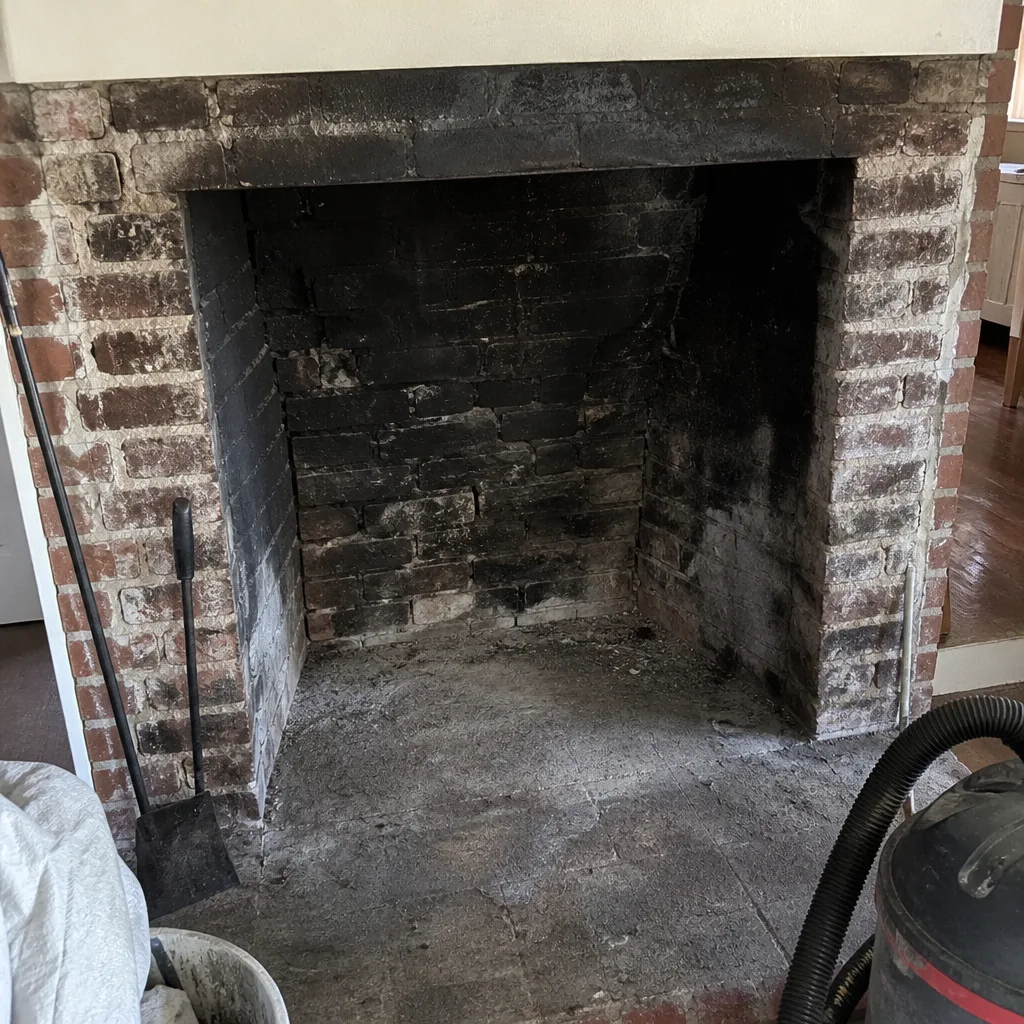 Before
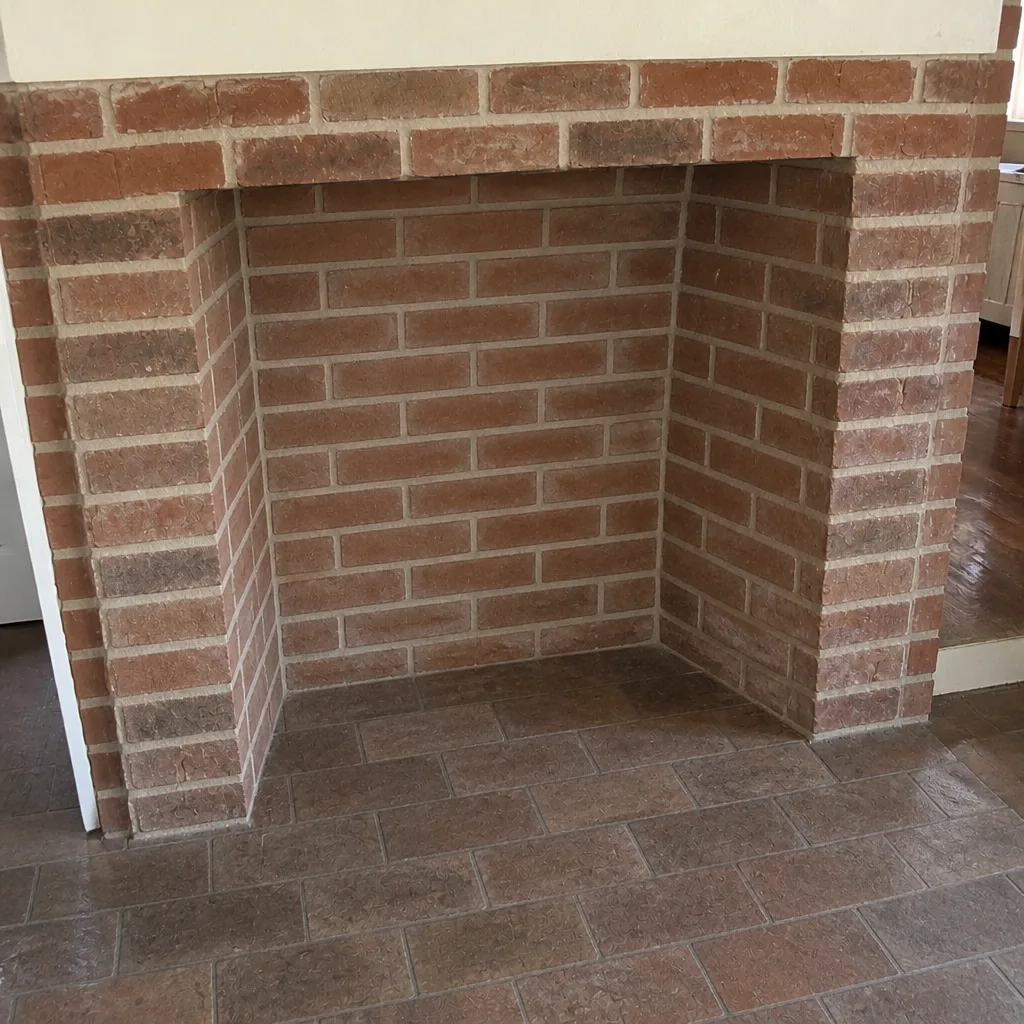 After
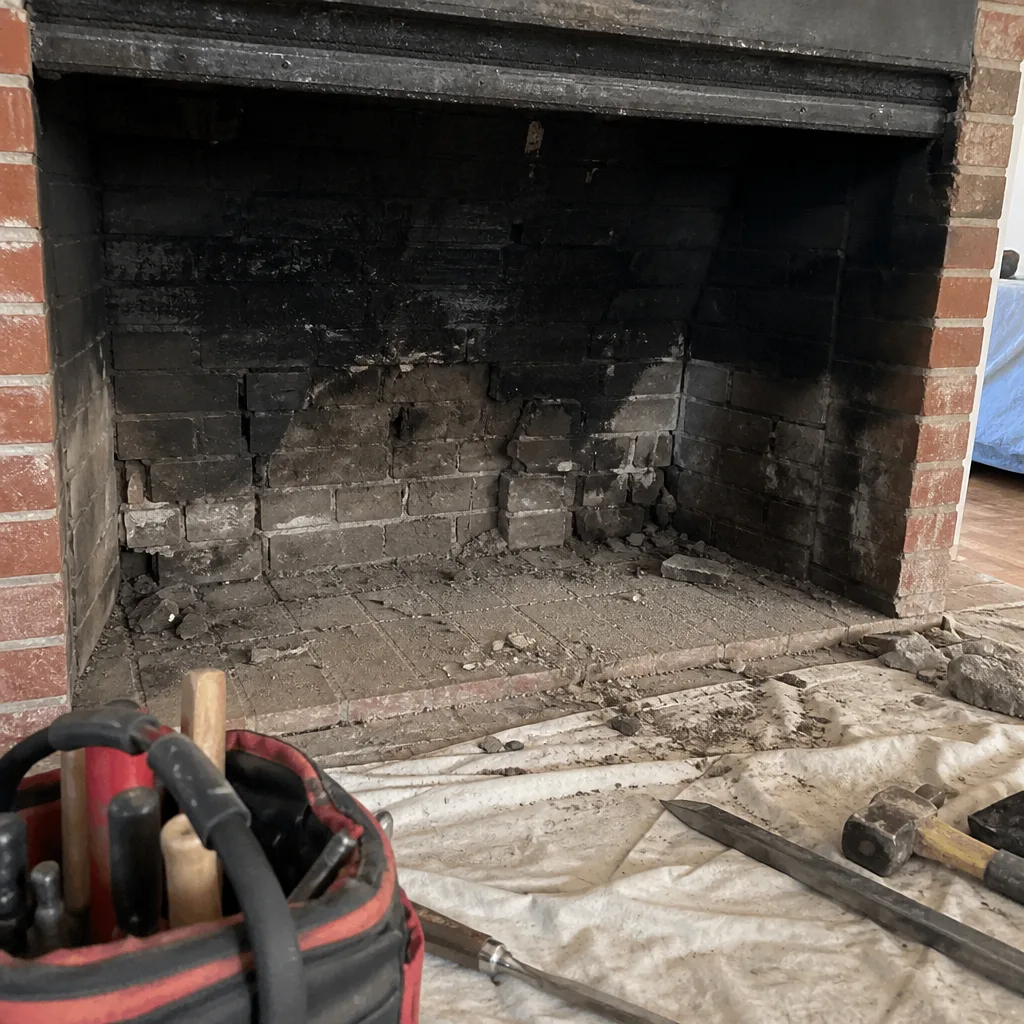 Before
 After
 Before
 After